Wilberforce House Museum
Free museum in the 1660s Hull house where William Wilberforce was born, covering the slave trade, abolition and local craftsmanship.
Have only individual sections read aloud
About the museum
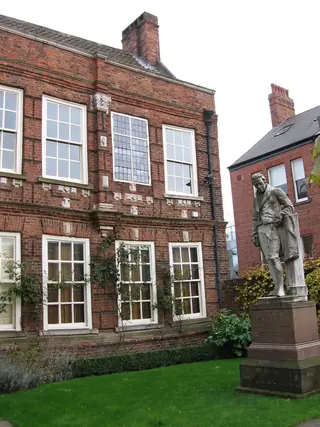
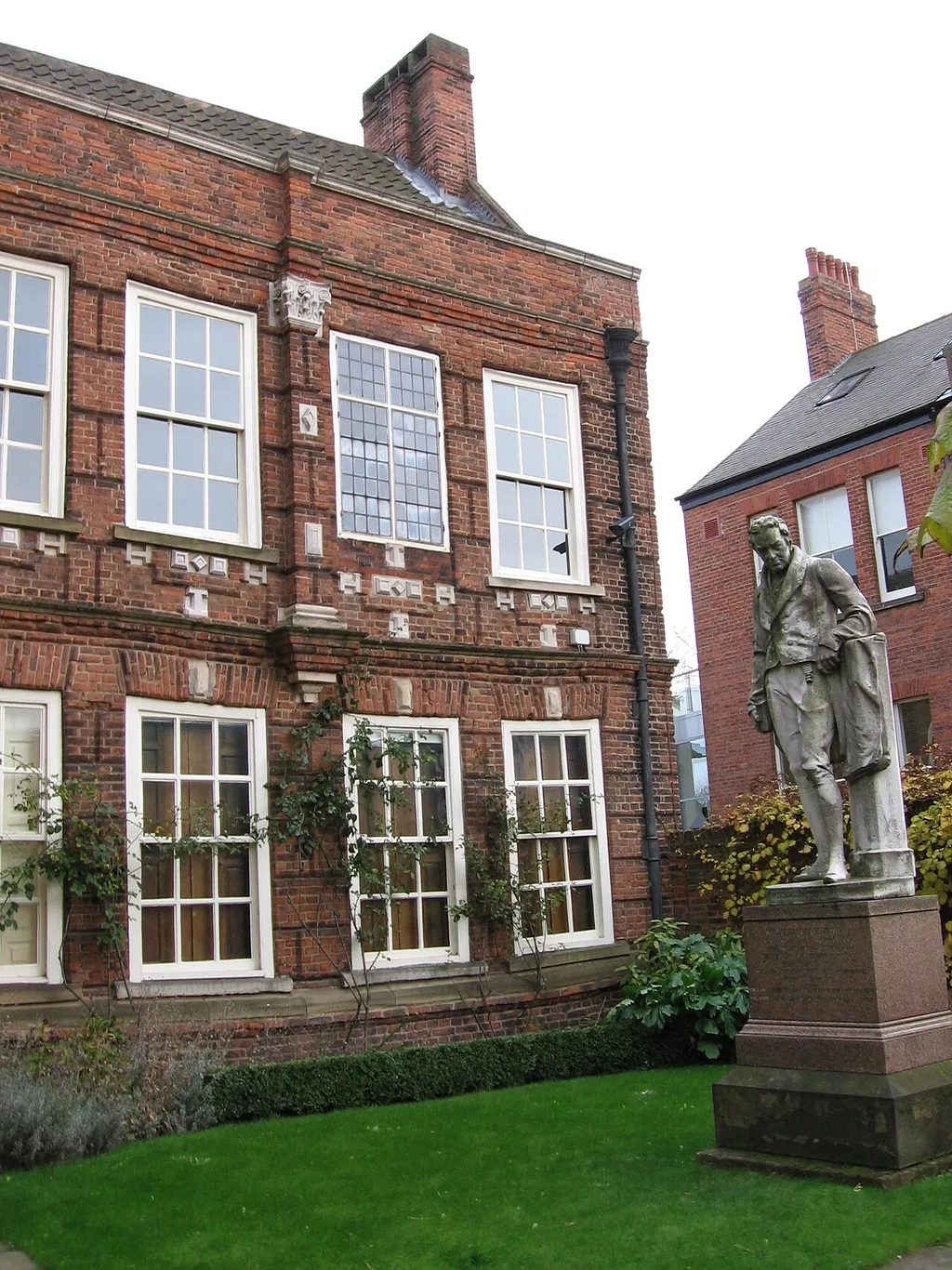
Wilberforce House was built around 1660 for the merchant Hugh Lister to a design by William Catlyn, in the unusual Artisan Mannerist style. It later passed to the merchant John Thornton and then to the Wilberforce family. The abolitionist William Wilberforce was born in an upstairs room in 1759, and the family extended the house in the 1730s and 1760s. It served both as a home and as a merchant business on the river, and from 1784 a bank occupied some of its rooms.
Wilberforce sold the house in 1830. After it had been used for company offices, Hull City Council bought it in 1903 and opened it as a public museum on 24 August 1906, with displays on William Wilberforce, the slave trade and local history. The neighbouring Georgian houses, built around 1757 by the ship-owner James Hamilton, were taken over by the council in 1949 and opened as part of the museum in 1957.
The galleries were redeveloped and access was improved before the museum reopened in 2007, the 200th anniversary of the abolition of the slave trade in Britain. Today the museum covers the history of the building, Wilberforce's life and career, West African cultures, the capture and Middle Passage, plantation life, the abolition campaign and the legacies of slavery. Further galleries in the Georgian houses show local silver, clocks and furniture, the East Yorkshire Regiment and Edwardian Hull.
Highlights
- Birthplace of William Wilberforce, built in the 1660s
- Galleries on the transatlantic slave trade, plantation life and abolition
- Model of the Brookes slave ship used by Wilberforce in Parliament
- West African gallery on religion, ceremony, music and adornment
- Georgian houses with local silverware, clocks and furniture
- Dressing-up area for children
Permanent exhibitions
- William Wilberforce Gallery – Follows the life and political career of Hull's best-known abolitionist through objects, costumes and documents.
- Abolition Gallery – Shows the campaigns to end the slave trade, the people involved and what followed emancipation, including the Brookes slave ship model.
- Legacies of Transatlantic Slavery – Explores the lasting legacies of the slave trade and introduces people whose stories are less well known.
- Founded
- 1906
- Operated by
- Hull City Council (Hull Museums)
Admission & discounts
Admission is free.
Admission is free and no booking is needed. Groups of 15 or more are asked to book a self-directed visit, which is also free; a small charge of £1.50 per person applies for using a space for lunch.
Accessibility
- Partially wheelchair accessible
- Elevator
- Accessible restroom
- Accessible parking
- Service dogs welcome
- Tactile models & exhibits: no information
- Sign language tours
- Easy-to-read materials: no information
- Audio description: no information
Level access at the entrance and a lift between floors, but three first-floor galleries cannot be reached by the lift and several thresholds upstairs are too narrow for larger electric wheelchairs. A manual wheelchair can be borrowed. The toilets, including an accessible toilet, are outside through the entrance onto the garden, along older paving. High Street is cobbled with dropped kerbs at the Museums Quarter entrances. Some rooms and the middle passage of the slavery galleries are dark. BSL interpretation is available for talks and tours. The nearest Changing Places toilet is on the ground floor of the Guildhall. Quick, easy-read and full access guides, a visual story and a floor plan are available.
Kids & families
- Hands-on stations
- Baby changing facilities
Activities for children include a dressing-up area with replica historical costumes.
Getting there & parking
By public transit
Drypool Bridge (Alfred Gelder Street)
Hull Paragon Interchange (bus and railway station) is a 15 to 20-minute walk away. The nearest bus stop is near Drypool Bridge on Alfred Gelder Street.
By car
Parking available
Parking is available nearby on Alfred Gelder Street and Gandhi Way; Tower Street car park is just across the river. Short-stay pay and display parking is at Lowgate car park on Wilberforce Drive, a five-minute walk away. Blue Badge parking is on Gandhi Way and on Alfred Gelder Street opposite the White Hart pub; limited minibus parking can be booked on 01482 616 657.
- Accessible parking
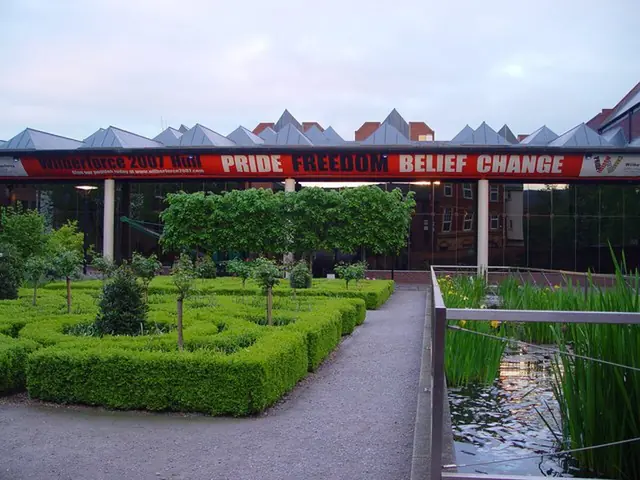
The museum is in the Museums Quarter next to the River Hull, close to the Streetlife Museum and the Hull and East Riding Museum of Archaeology. Cycle parking is outside the Streetlife Museum.
Get directionsAmenities & dining
- Café: not available
- Restaurant: not available
- Museum shop
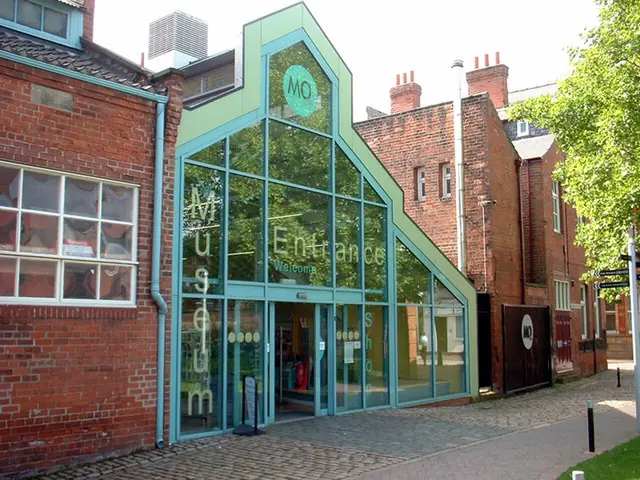
No café in the museum; there is an outdoor picnic area in the Museums Quarter gardens and an independent café opposite the entrance on High Street. The gift shop is at the entrance.
Events & venue rental
- Spaces for rent
The Front Parlour, the Learning Centre and the garden can be hired for talks, performances, receptions and meetings; the house and garden are also used for film and photography shoots. Enquiries go to museums@hcandl.co.uk.
Inquiries & detailsPlan your visit
| Guided tours | yes · approx. 60 min |
|---|---|
| School programs | yes |
| Photography | Photography for personal, non-commercial use is welcome. |
| Good to know | Free one-hour guided tours are run by trained volunteers and must be booked online; they depend on volunteer availability and can change at short notice. Group visits of 15 or more should be booked in advance. |
Museums nearby
Streetlife Museum
Hull and East Riding Museum of Archaeology
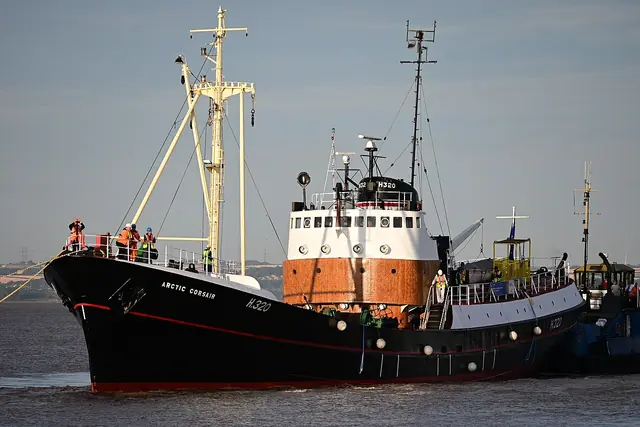
Arctic Corsair
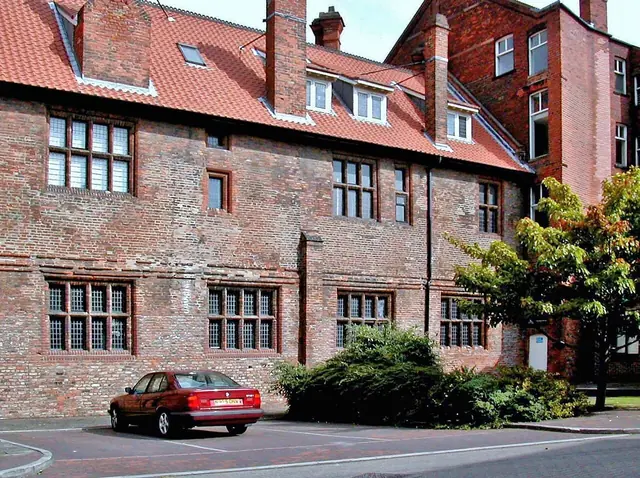
Hands on History Museum
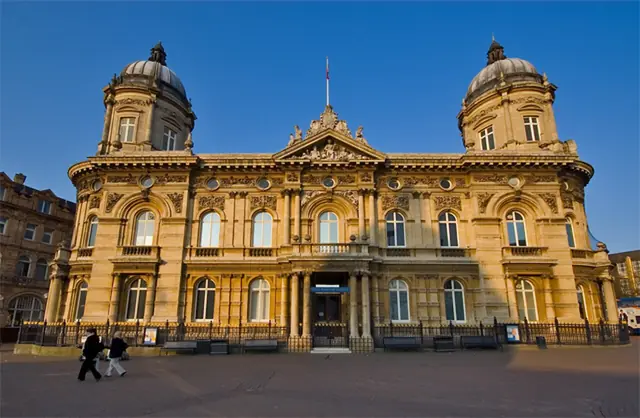
Hull Maritime Museum
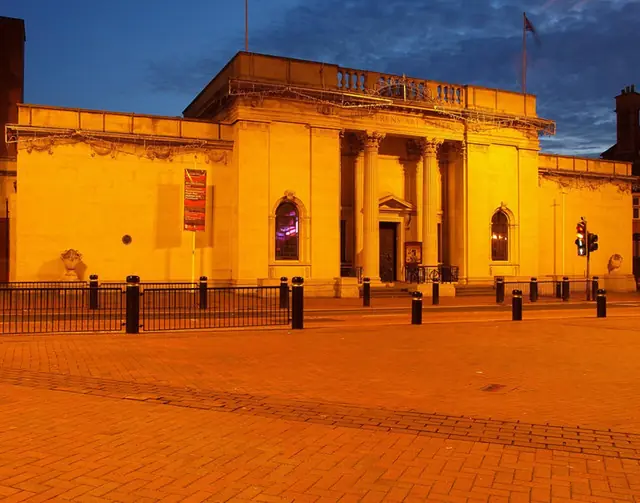
Ferens Art Gallery
All 7 museums in Hull All museums in Yorkshire and the Humber