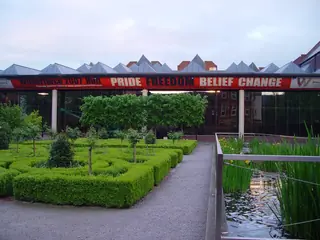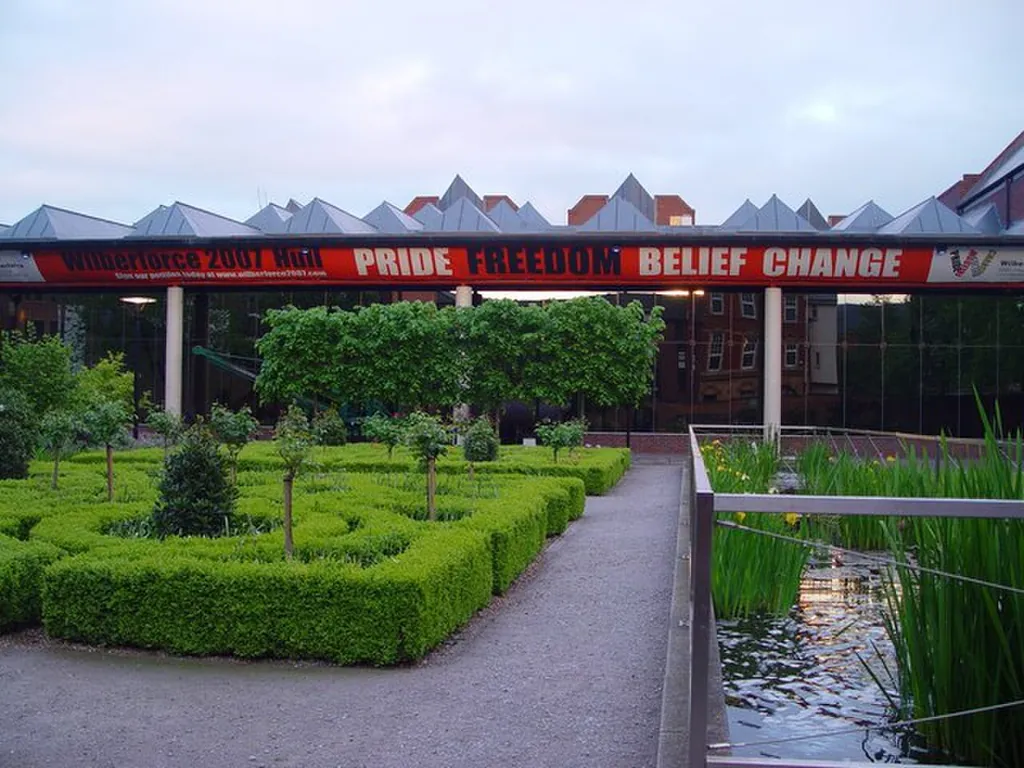
Streetlife Museum
Free transport museum in Hull's Old Town with carriages, veteran cars, bicycles and a reconstructed 1940s high street.
Have only individual sections read aloud
About the museum
The collection that became the Streetlife Museum began in Hull's Museum of Commerce and Transport in the Corn Exchange. Its early displays traced the development of transport and the city's main industries and included ten veteran cars bought from a private motor museum in Knightsbridge, as well as horse-drawn carriages from families and businesses in East Yorkshire.
Air raids in 1941 caused heavy damage to several local museums, including this one. The museum reopened in 1957 as the Transport and Archaeology Museum, sharing the building with the city's archaeology collections. By the early 1980s the transport collection had outgrown its home, and funding was secured for a new museum on land next to what is now the Hull and East Riding Museum of Archaeology.
The museum in its present form opened in 2002 with galleries based on transport themes. Each uses scenic displays to set the vehicles in their historical context, from a carriage gallery and a motor car gallery to a reconstructed high street of around the 1930s and 1940s, a railway gallery with a relocated signal box and a gallery on Joseph Rank, founder of a major flour-milling and baking company.
Highlights
- Reconstructed 1940s high street with shops, cobbles and a tram
- Carriage gallery with a Hull–York mail coach ride
- Veteran cars from 1897, including an 1898 Panhard et Levassor
- 1818 Hobby Horse in the bicycle gallery
- Cottingham North signal box in the railway gallery
- Retro arcade and historic car ride for families
Permanent exhibitions
- Streetscene Gallery – A reconstructed high street on cobbles with a cycle shop, a Yorkshire chemist and a 1930s Hull Co-operative store.
- Carriage Gallery – One of the finest public collections of horse-drawn carriages in Britain, with a simulated Hull–York mail coach ride.
- Motor Car Gallery – Veteran cars from 1897 onwards, including steam, electric and petrol vehicles and an 1898 Panhard et Levassor wagonette.
- Founded
- 2002
- Operated by
- Hull City Council (Hull Museums)
- Visitors per year
- approx. 125,876
Admission & discounts
Admission is free.
Admission is free and no booking is needed. Groups of 15 or more are asked to book a self-directed visit, which is also free; a small charge of £1.50 per person applies for using a space for lunch.
Accessibility
- Wheelchair accessible
- Elevator
- Accessible restroom
- Accessible parking
- Service dogs welcome
- Tactile models & exhibits: no information
- Sign language tours
- Easy-to-read materials: no information
- Audio description: no information
Step-free access at the front with a dropped kerb near the entrance and a lift to the first-floor galleries; a manual wheelchair can be borrowed at reception. Some parts, such as the signal box and the platform above the train, are reachable only by steps. High Street is cobbled, and part of the ground-floor street scene has cobbled flooring. There are two sets of toilets, and the accessible toilet is near the entrance. The nearest Changing Places toilets are at the Guildhall and the Wilson Centre. The carriage gallery and the first-floor bicycle gallery are darker. BSL interpretation is available for talks and tours. A sensory map, a visual story and an easy-read guide are available, and the museum has an AccessAble guide. Carers can join the person they support, since entry is free for everyone.
Kids & families
Great for kids & families
- Family tours & workshops
- Activity booklet, scavenger hunt or kids’ audio guide
- Hands-on stations
- Baby changing facilities
Children can try a Victorian carriage, a historic car ride, a retro arcade and a static tram on the recreated street. Free family activities and themed trails run in school holidays. Tree Babies and Tots, a relaxed nature-based group for parents and carers with young children, meets during the year.
Getting there & parking
By public transit
Drypool Bridge (Alfred Gelder Street)
Hull Paragon Interchange (bus and railway station) is a 15-minute walk away. The nearest bus stop is Drypool Bridge on Alfred Gelder Street.
By car
Parking available
Parking is available nearby on Alfred Gelder Street and Gandhi Way; Tower Street car park is just across the river. Larger car parks are on Osborne Street and in a multi-storey on Market Place. Blue Badge parking is on Gandhi Way opposite the main entrance and on Alfred Gelder Street; limited minibus parking can be booked on 01482 616 661.
- Accessible parking
The museum is in the Museums Quarter next to the River Hull, close to the Hull and East Riding Museum of Archaeology and Wilberforce House. Cycle parking is outside the museum. At the time of research the main Museums Quarter entrance was closed because of heat network works; the alternative entrance is opposite Gandhi Way.
Get directionsAmenities & dining
- Café: not available
- Restaurant: not available
- Museum shop
No café in the museum; there is an outdoor picnic area in the Museums Quarter gardens and an independent café opposite the entrance on High Street. The gift shop is at the entrance.
Events & venue rental
- Spaces for rent
The 1940s high street, the Open Space and the Learning Centre can be hired for events and meetings, alone or together with the Museums Quarter gardens. Enquiries go to museums@hcandl.co.uk.
Inquiries & detailsPlan your visit
| Guided tours | yes · approx. 60 min |
|---|---|
| School programs | yes |
| Photography | Photography for personal, non-commercial use is welcome. |
| Good to know | Free one-hour guided tours are run by trained volunteers and must be booked online; they depend on volunteer availability and can change at short notice. Group visits of 15 or more should be booked in advance. |
Museums nearby
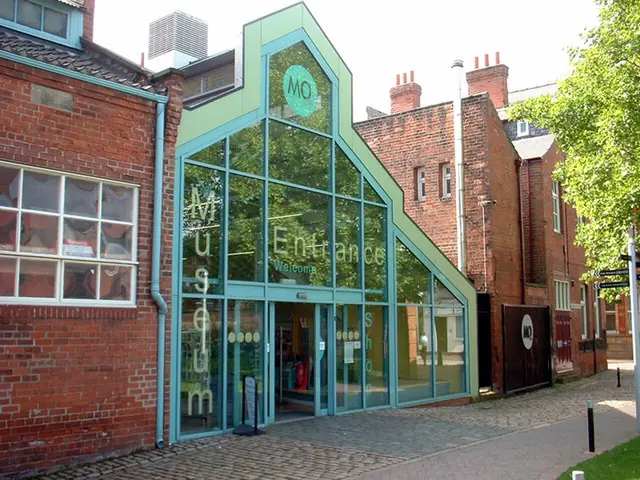
Hull and East Riding Museum of Archaeology
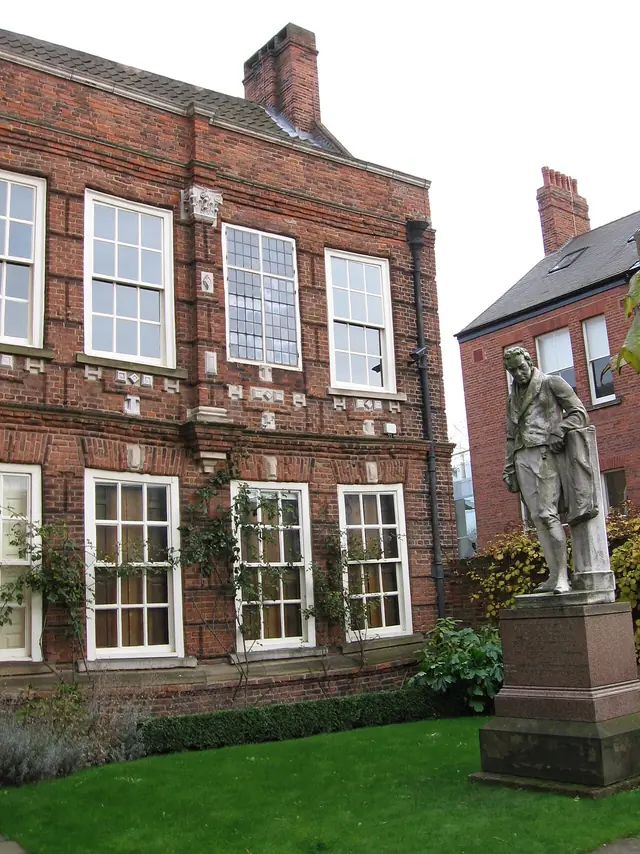
Wilberforce House Museum
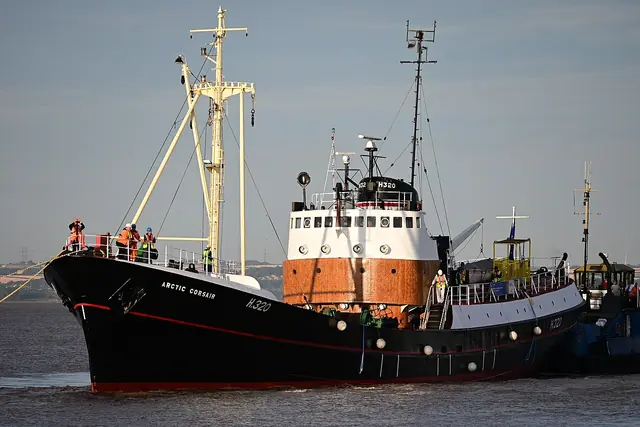
Arctic Corsair
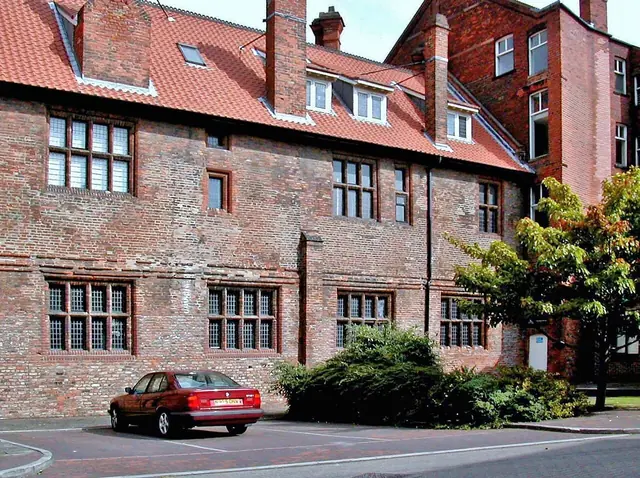
Hands on History Museum
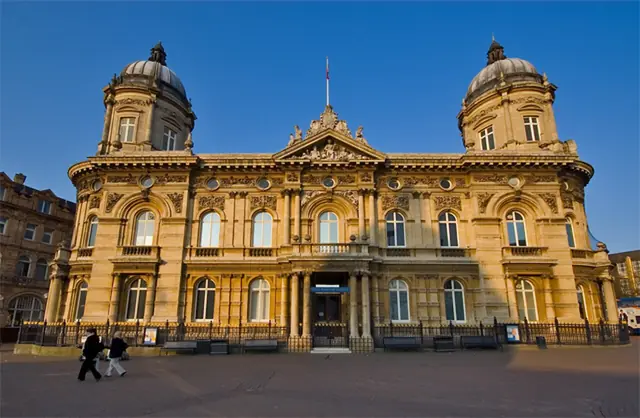
Hull Maritime Museum
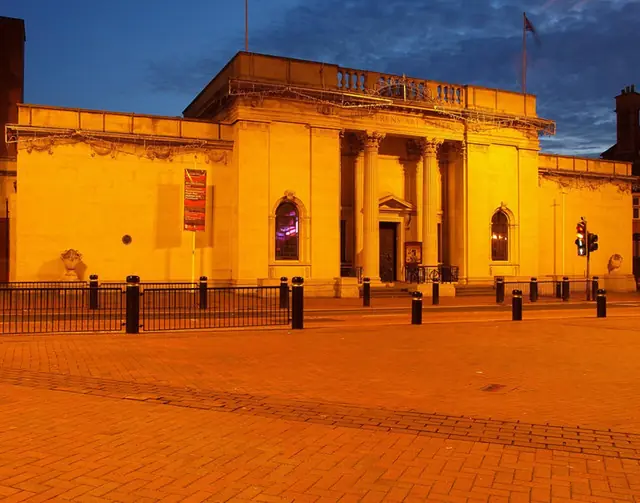
Ferens Art Gallery
All 7 museums in Hull All museums in Yorkshire and the Humber