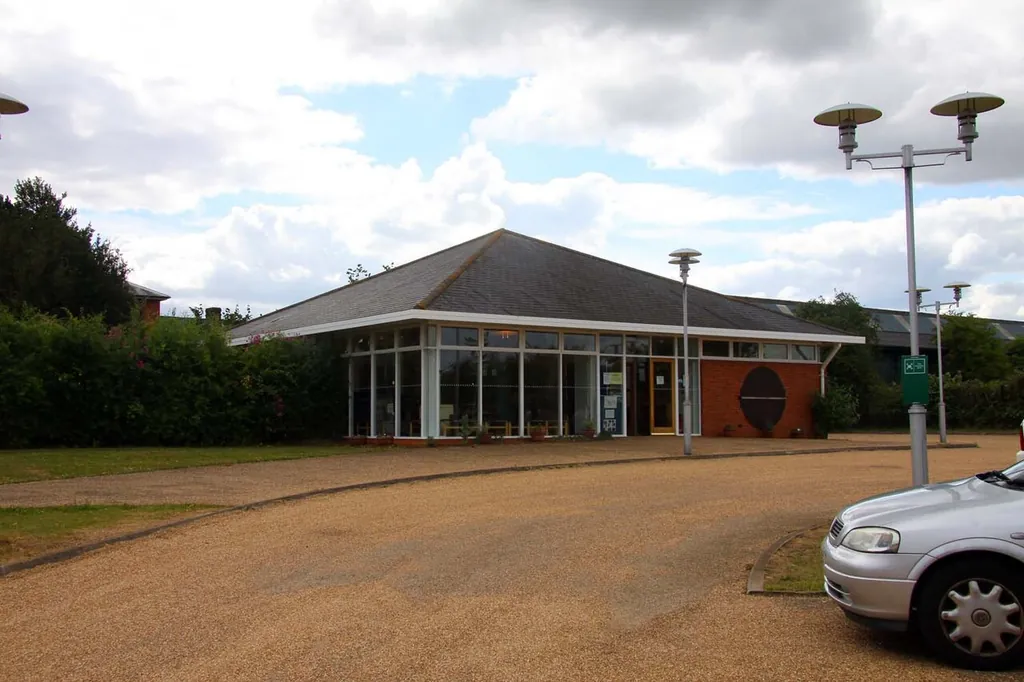
Milton Keynes Museum
Hands-on social history museum on a Victorian farmstead in Wolverton, showing life in the Milton Keynes area before the new city was built.
Have only individual sections read aloud
About the museum
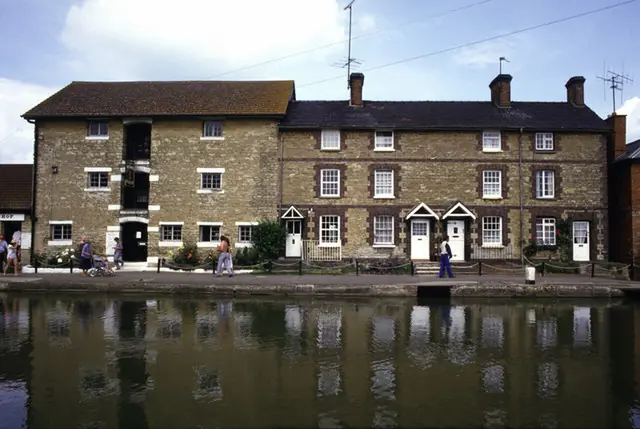
Milton Keynes Museum was founded in 1973 by local people who wanted to save the heritage of the area as farms and factories closed to make way for the new city. Within a few years of the decision to build Milton Keynes in 1967, residents formed the Stacey Hill Society and began collecting items from the closing farms and factories. With the support of the Milton Keynes Development Corporation the collection was stored at Stacey Hill Farm in Wolverton, an estate that the physician Dr John Radcliffe had bought in 1713.
In the early years the farm was open to the public only on a few weekends a year. A fire on 1 January 1996 destroyed the Grade II listed threshing barn, the cowshed and two smaller buildings, and many farm machines, engines, cameras, radios and household items were lost or damaged. The buildings were rebuilt by the end of 1997, and in that year the land and buildings passed to the Borough of Milton Keynes, while the collection stayed with the Museum Trust.
Today the museum fills a number of barns and buildings on about five acres of former farmland. It tells the story of north Buckinghamshire and south Northamptonshire from the 1800s to the present, with a Victorian farmhouse, a street of shops saved from local high streets, a telephone gallery, a print room and a hall of transport. Visitors are encouraged to touch many objects. The museum is an independent charity that receives no government funding and relies heavily on volunteers.
Highlights
- Victorian farmhouse with parlour, laundry and kitchen
- Street of shops with original shopfronts from local high streets
- Telephone Gallery with working switchboards
- Hall of Transport with a large steam tram that once ran to Wolverton
- Original Concrete Cows and Victorian and wartime gardens
- Ancient Gallery on prehistoric local life, including woolly mammoths
Permanent exhibitions
- Street of shops – A street of old shopfronts saved from local high streets, including a chemist from Stony Stratford and a post office, lets visitors step into the shops of earlier times.
- Telephone Gallery – A hands-on look at how telephones developed, where visitors can operate switchboards from different periods and try a dial phone.
- Hall of Transport – Transport from canal barges to bicycles, centred on a large steam tram that once ran between Stony Stratford and the railway works at Wolverton.
- Founded
- 1973
- Operated by
- Milton Keynes Museum (independent charity)
Admission & discounts
| Adults | £17.50 |
|---|---|
| Reduced | £13.50Over 65s, students and disabled visitors |
| Children & teens | £12free up to age 4 · Children aged 5 to 16; under 5s are free. |
| Seniors | £13.50Over 65s. |
| Visitors with disabilities | £13.50companion free · One carer accompanying a visitor with a disability is admitted free. |
| Students & apprentices | £13.50 |
| Groups (10+ people) | £15 per personGroups of 10 to 60 people, per adult; group concession £11, child £10, student £7.50. |
| Families | £45Two adults and up to four children. |
Free admission: Free entry during Heritage Open Days in September.
A ticket is valid for one year and allows unlimited visits, including event days (not transferable; a trip to Santa's Grotto costs extra). Blue Peter badge holders enter free. Tickets can be bought on the day or booked online without a booking fee.
Accessibility
- Partially wheelchair accessible
- Elevator: no information
- Accessible restroom
- Accessible parking
- Service dogs welcome
- Tactile models & exhibits
- Sign language tours: no information
- Easy-to-read materials: no information
- Audio description: no information
Almost all galleries and facilities are at ground level and can be used with a wheelchair or pushchair, but some doorways in the historic areas are narrow and some floor surfaces are uneven. Standard wheelchairs can be borrowed free of charge. Accessible toilets are in the reception building and the Granary Tearoom. Four Blue Badge bays are next to the reception building. Visitors are encouraged to touch exhibits, there is no Braille, and a hearing loop for the reception building was being planned. The access statement dates from some years ago, so visitors with specific needs should phone ahead.
Kids & families
Great for kids & families
| Time needed | approx. 2 hrs |
|---|---|
| Kids’ admission | free up to age 4 |
| Family ticket | £45 · Two adults and up to four children. |
- Family tours & workshops
- Activity booklet, scavenger hunt or kids’ audio guide
- Hands-on stations
- Stroller-friendly
- Playground / play area
The museum calls itself a museum for all ages: children can try the telephone switchboards, play with toys in the Story of Childhood exhibition and play old-fashioned games in the farmhouse parlour. There are more than five acres of open grounds, a swings-and-slide play area for under 7s, and nature trails from reception. Craft activities and trails run in school holidays. Some areas are not easy for pushchairs, so visitors may be asked to leave them in buggy bays.
Getting there & parking
By public transit
Wolverton station · 15-min walk
The nearest station is Wolverton, on the London Northwestern Railway main line, a 15-minute (uphill) walk or a short taxi ride away. Bus number 6 from Wolverton to Bletchley stops at Stacey Bushes Local Centre, about 10 minutes' walk along the Millers Way redway.
By car
Free parking
The free on-site car park has about 70 spaces, including four Blue Badge bays by the reception building, and there is an overflow car park off Millers Way. Parking is more limited on event days.
- Accessible parking
The museum is on McConnell Drive, off the H2 Millers Way, in Wolverton.
Get directionsAmenities & dining
- Café
- Museum shop
The Granary Tea Room serves homemade cakes, scones, savoury lunches, hot and cold drinks and a children's menu; it is open whenever the museum is open, and visitors may also bring their own food to the picnic area. The shop sells gifts, souvenirs and books.
Events & venue rental
The museum hasn’t published any information on this.
Plan your visit
| School programs | yes |
|---|---|
| Good to know | The museum suggests at least two hours for a visit (the FAQs say two to three hours). Small dogs are welcome inside the museum buildings if carried, except in the Granary Tea Room; larger dogs can be walked on leads in the grounds, and assistance dogs are always welcome. Children's bicycles, balls and scooters cannot be brought into the site. Schools can book guided tours and sessions for Key Stages 1 to 4 on weekday mornings in term time. |