Narrow Gauge Railway Museum
Volunteer-run museum at Tywyn Wharf station with more than 800 objects from nearly 90 narrow gauge railways, including a recreated Awdry study.
Have only individual sections read aloud
About the museum
The museum grew out of the work of the Talyllyn Railway Preservation Society, which took over the Talyllyn Railway in the 1950s and began to receive equipment from other narrow gauge lines as they closed. The first locomotive, Guinness No. 13, was donated in 1956, and early displays were housed in the old gunpowder store at Wharf station. A charitable trust was formed in 1964 and was replaced by the present Narrow Gauge Railway Museum Trust in 1994.
A new two-storey museum, with a refreshment room and education room, opened at Wharf station in 2005 as part of the redevelopment of the station, and the museum gained Accredited status in 2010. It is an independent charity that relies on volunteers and does not receive direct funding from the Talyllyn Railway.
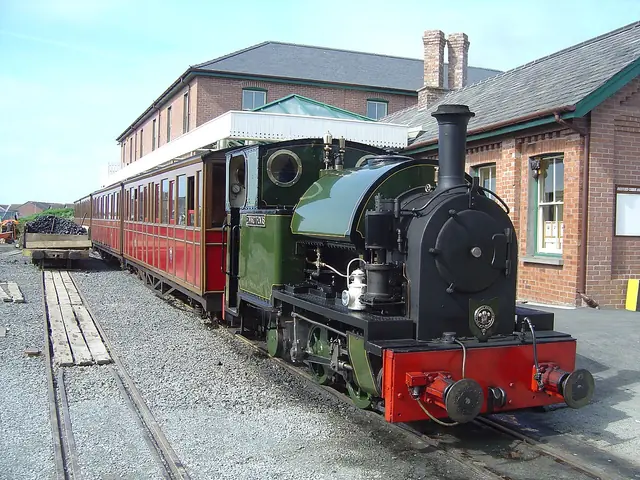
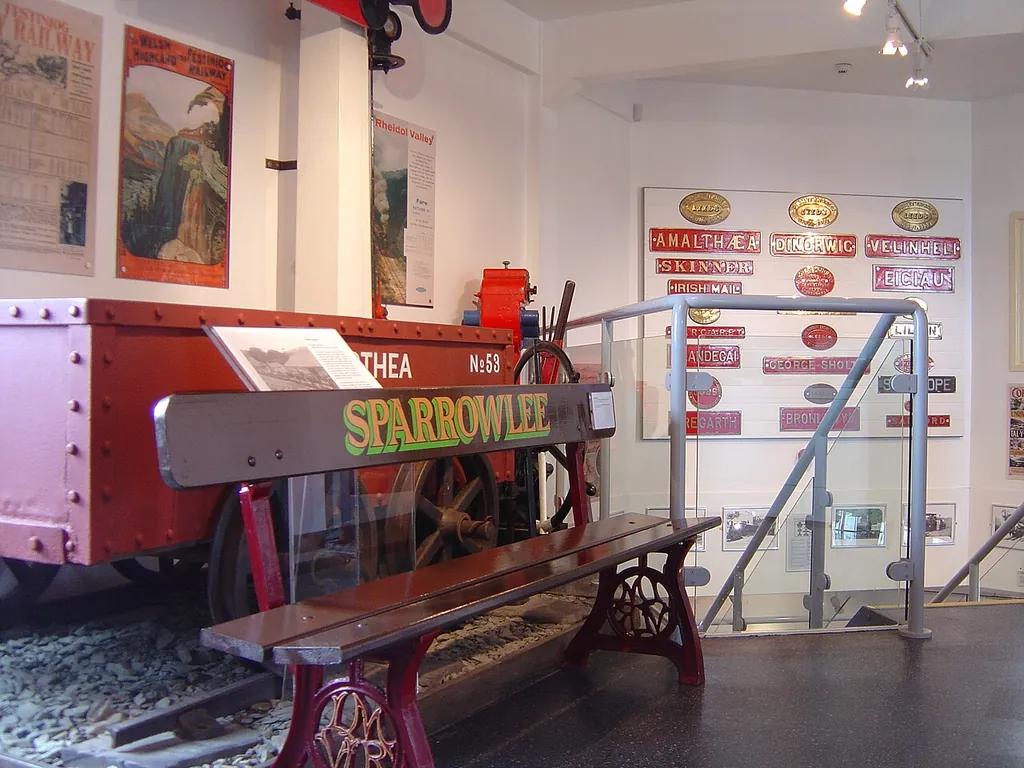
Today the collection covers about 200 years of narrow gauge history, with material from nearly 90 railways. Visitors can see complete locomotives such as Hunslet's Rough Pup and Beyer Peacock's Dot, signalling equipment, the Talyllyn Railway ticket collection and a recreated study of the Reverend Wilbert Awdry, author of the Thomas the Tank Engine books. Displays also show how narrow gauge lines shaped the Welsh slate industry and how they were used in the First World War, and temporary exhibitions are held upstairs.
Highlights
- Over 800 objects from nearly 90 narrow gauge railways
- Locomotives including Hunslet Rough Pup and Beyer Peacock Dot
- Recreated study of the Reverend Wilbert Awdry
- Footplate experience on the locomotive William Finlay, with a camera view of the cab
- Signalling collection and Talyllyn Railway ticket collection
Permanent exhibitions
- Narrow gauge railway collection – More than 800 items from nearly 90 railways, from complete locomotives to signalling equipment and tickets, showing about 200 years of narrow gauge history.
- The Awdry Study – A recreation of the study of the Reverend Wilbert Awdry, with objects from his life and recordings of his stories.
- Founded
- 1956
- Operated by
- Narrow Gauge Railway Museum Trust
Admission & discounts
Admission is free.
Free entry; the museum relies on donations and has donation boxes. It receives no direct funding from the Talyllyn Railway.
Accessibility
- Wheelchair accessible
- Elevator
- Accessible restroom
- Accessible parking: no information
- Service dogs welcome: no information
- Tactile models & exhibits: no information
- Sign language tours: no information
- Easy-to-read materials: no information
- Audio description: no information
Step-free entry is possible from the station platform through a ramped door, or from King's Licensed Cafe on the ground floor via the lift lobby. The passenger lift has Braille buttons and speaks floor information, but some large mobility scooters may not fit. A flight of 23 steps also links the floors. The accessible toilet is on the first floor. The education room has an induction loop, and most display text is in large print. The access statement dates from June 2017.
Kids & families
Great for kids & families
- Activity booklet, scavenger hunt or kids’ audio guide
- Hands-on stations
Upper-floor quizzes, interactive displays and a footplate experience suit families. Printable activity sheets for younger and older children are available on the website.
Getting there & parking
By public transit
Tywyn Wharf station (Talyllyn Railway)
By car
Parking available
Town Council car park, a short walk from Tywyn Wharf station.
The museum is at Wharf Station on the Talyllyn Railway in Tywyn.
Get directionsAmenities & dining
- Café
- Museum shop
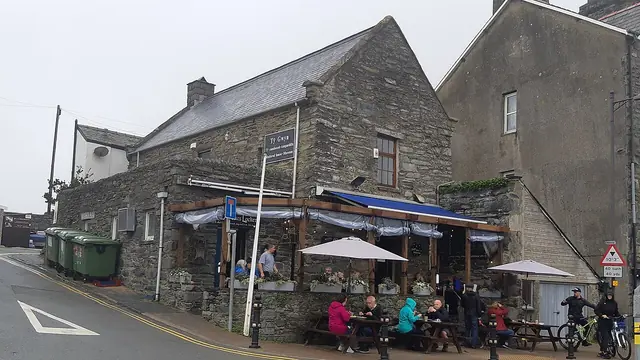
King's Licensed Cafe and the Railway Shop are next to the museum at Tywyn Wharf station; their hours are shown on the Talyllyn Railway website. Toilets, including an accessible toilet, are at Wharf station.
Events & venue rental
The museum hasn’t published any information on this.
Plan your visit
| Good to know | Visitors can learn how a steam locomotive works and try the controls on the footplate of William Finlay. Stories by the Reverend Awdry can be heard in the Awdry study. The museum runs a research facility for people studying narrow gauge railways. |
|---|