Uffington Museum
Free volunteer-run museum in a 1617 schoolroom in Uffington, explaining the history of the village, the White Horse and the Ridgeway.
Have only individual sections read aloud
About the museum
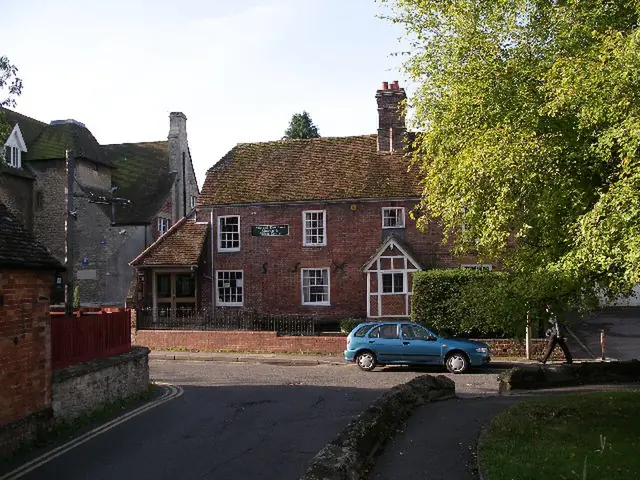
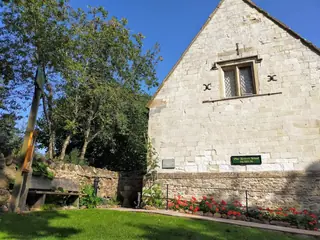
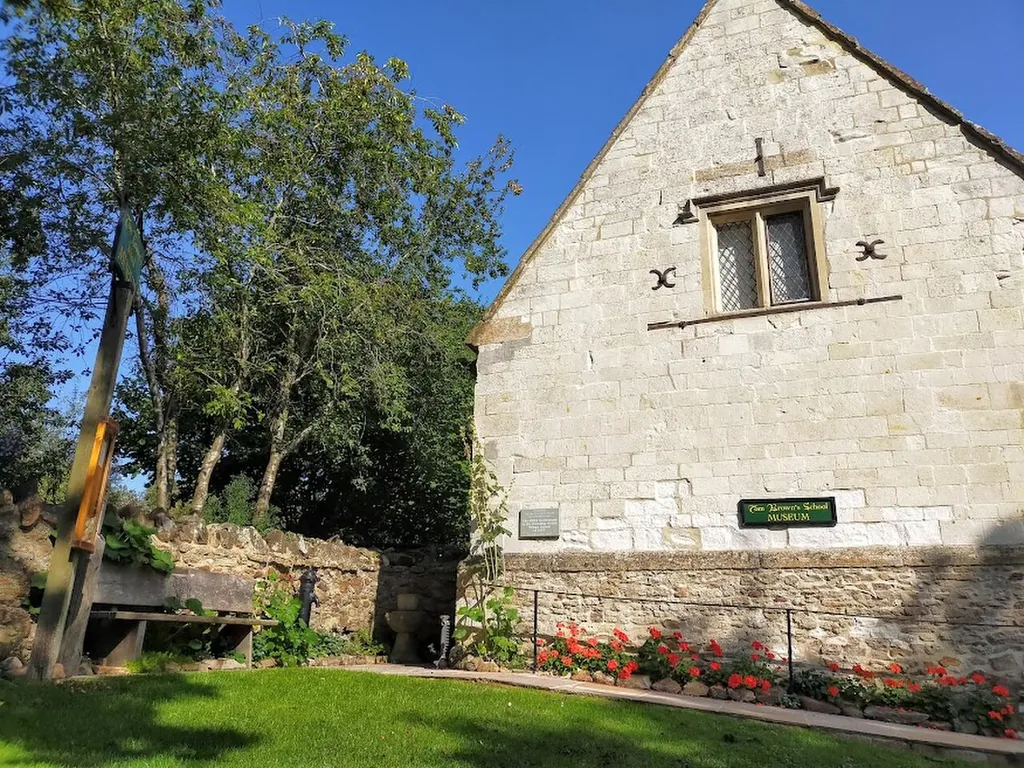
Uffington Museum is housed in the Old Schoolroom, a building from 1617 that was endowed by Thomas Saunders, a wealthy merchant from Woolstone. It provided places for eight poor boys from Uffington and four from Woolstone and remained the boys’ school until 1872, when it had become too dilapidated. For the next 110 years it was used as the village meeting room.
In 1953 the Countess of Craven gave the building to the Parish Council, and in 1984 it became Tom Brown’s School Museum. In 2024, following feedback from visitors, it was renamed Uffington Museum.
The museum explains the history of the Uffington area, including the famous White Horse, Wayland’s Smithy, the Manger and the Ridgeway, an ancient trading route. It also collects and conserves local information and photographs and serves as a resource for local studies. It is run entirely by volunteers, is funded through donations, grants and membership fees, holds full Accreditation from Arts Council England and runs monthly talks.
Highlights
- Permanent exhibition on the history of the Uffington White Horse and the Ridgeway
- Early 17th-century schoolroom with the story of 400 years of education
- Displays on Thomas Hughes and John Betjeman
- Collections of local photographs, recordings and records
- Monthly talks and an annual changing exhibition
Permanent exhibitions
- The History of the Uffington White Horse – The history of the White Horse and surrounding area, with information on Wayland’s Smithy, the Manger and the Ridgeway as a major trade route.
- History of the Old Schoolroom – How the building served as a village school from 1617 and later as a meeting room, with a look at 400 years of education.
- Founded
- 1984
- Operated by
- Uffington Museum Trust (registered charity no. 292109)
Admission & discounts
Admission is free.
There is no charge during normal opening hours; the museum relies on donations.
Accessibility
- Partially wheelchair accessible
- Elevator: not available
- Accessible restroom: not available
- Accessible parking: no information
- Service dogs welcome: no information
- Tactile models & exhibits: no information
- Sign language tours: no information
- Easy-to-read materials: no information
- Audio description: no information
Most displays, the visitor computer and the archives are on the ground floor, but the permanent gallery exhibition is on a mezzanine reached by stairs. Four steps lead from the road to the entrance, with a handrail, and the doorway is 74 cm wide at its narrowest point, so wheelchair users and people who find steps difficult need assistance; please tell the curator in advance. An access policy and accessibility statement can be downloaded.
Kids & families
The museum hasn’t published any information on this.
Getting there & parking
By public transit
Pulhams Coaches route S68 between Faringdon and Wantage serves Uffington Monday to Saturday. The nearest railway station is Swindon.
By car
Parking available
Parking on the road outside the church.
The museum is about 50 metres along the road from the church, at the junction of Broad Street and Fernham Road. Approach by the A420 Swindon to Oxford road, or from the east via Wantage. The Ridgeway passes within 3 km of the village.
Get directionsAmenities & dining
- Café: not available
- Restaurant: not available
The museum has no refreshments or toilets. Cream teas are served at St Mary’s Church next door on Sunday afternoons from June to the end of September, and the village has a pub and a shop.
Events & venue rental
The museum hasn’t published any information on this.
Plan your visit
| School programs | yes |
|---|---|
| Good to know | Local schools use the museum’s resources. The museum also offers monthly talks by speakers on local subjects. |