Andrew Carnegie Birthplace Museum
Free museum in Dunfermline comprising the weaver's cottage where Andrew Carnegie was born and an Art Deco hall telling his life and philanthropy.
Alleen afzonderlijke secties laten voorlezen
Over het museum
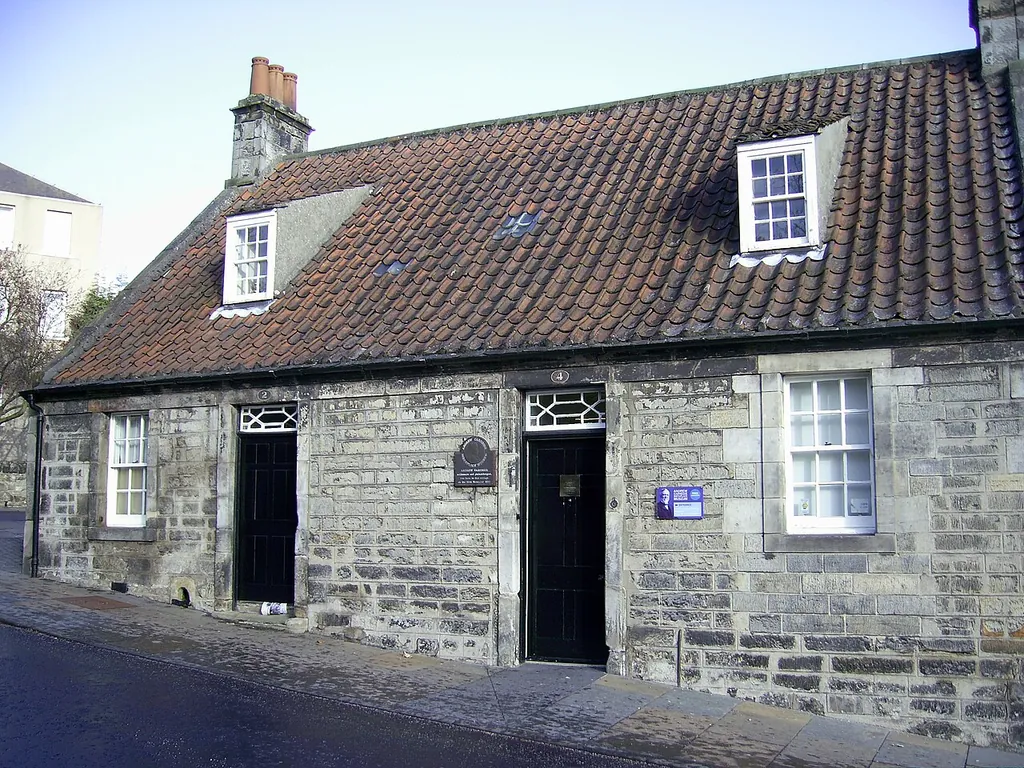
The weaver's cottage in which Andrew Carnegie was born on 25 November 1835 was built around 1750. His parents rented one half of it in 1834. In 1895 Carnegie's wife, Louise Whitfield Carnegie, bought the cottage, and after the Carnegie Dunfermline Trust was created in 1903 she asked the trustees to look after it. It opened to the public in 1908, and Carnegie himself made his first visit in 1909.
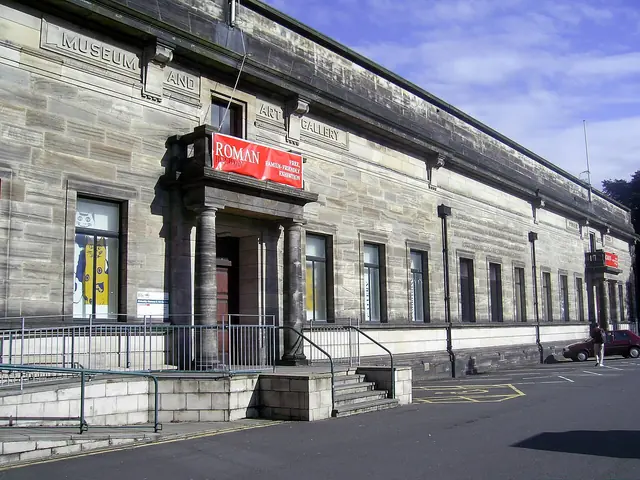
After her husband's death, Louise Carnegie proposed building a Museum Hall next to the cottage to inspire future generations. The architect James Shearer designed the Art Deco hall in consultation with her, and the linked buildings opened formally on 28 June 1928. During the Second World War the collections were stored in vaults in the ruins of the Fratery, but the museum stayed open. The displays were left largely unchanged until the 1970s, and the museum had a major upgrade in 2008.
Today visitors begin in the birthplace cottage and continue through chronological displays in the Museum Hall. They follow Carnegie from his childhood in 19th-century Dunfermline through emigration to America, his steel business in Pittsburgh and his decision to give away most of his fortune, which supported institutions such as Carnegie Hall and the Peace Palace.
Hoogtepunten
- The 18th-century weaver's cottage where Carnegie was born
- Art Deco Museum Hall of 1928 built by Louise Carnegie
- Life story from Dunfermline to Pittsburgh and his philanthropy
- Links to people such as Marie Curie, Helen Keller and Theodore Roosevelt
- Free entry with family activities and a sensory backpack
Vaste collectie
- Birthplace cottage – The small weaver's cottage where Andrew Carnegie was born and lived as a child, with low lighting and displays about his early life.
- Museum Hall – Chronological displays in an Art Deco hall follow Carnegie's emigration, his businesses in Pittsburgh and his philanthropy.
- Opgericht
- 1908
Toegangsprijzen & kortingen
De toegang is gratis.
Admission is free; donations go towards running the museum. No ticket booking is needed, but large groups are asked to book. Group tours for up to 10 people are available for a modest fee.
Toegankelijkheid
- Deels rolstoeltoegankelijk
- Lift: geen informatie
- Aangepast toilet
- Gehandicaptenparkeerplaats
- Hulphonden welkom
- Tastmodellen / voelbare objecten: geen informatie
- Rondleidingen in gebarentaal: geen informatie
- Informatie in eenvoudige taal: geen informatie
- Audiodescriptie: geen informatie
There is level access from the side entrance to the Main Hall displays, the reception and shop area and the accessible toilet. The birthplace cottage is historic and its upstairs is not suitable for buggies. Two Blue Badge spaces are about 10 metres from the cottage. The accessible toilet is about 30 metres from the refreshment area and is reached through the garden. The nearest Changing Places toilet is at Dunfermline Carnegie Library & Galleries, about 200 metres up the road. There is a hearing loop in the reception and shop area, seating in most rooms, high-contrast walls and doors, low lighting in the cottage and audio versions of the cottage displays. Some touchscreens in the Main Hall have loud audio but no subtitles. Assistance dogs are welcome and water bowls are available. The museum is autism friendly, with a visual story, a sensory backpack and ear defenders to borrow, and it is quieter on weekday afternoons.
Kinderen & gezin
Erg geschikt voor kinderen & gezinnen
- Gezinsrondleidingen & workshops
- Speurtocht, doeboekje of kinderaudiotour
- Verschoonruimte
The museum runs a year-round programme of free family events and offers Wellbeing Activity Bags and a sensory backpack. Buggies are allowed on the ground floor and in the Museum Hall but not in the cottage, particularly upstairs; staff can show where to leave them. Toilets have baby changing facilities with nappies, a high chair is available and breastfeeding is welcome. Booster steps are available in the toilets and the Museum Hall.
Bereikbaarheid & parkeren
Met het openbaar vervoer
Dunfermline City station · 10 min. lopen
Trains from Edinburgh run regularly to Dunfermline City station, and the museum is signposted and less than a 10-minute walk away. Stagecoach Fife bus X55 runs frequently from Edinburgh, and X24 and X27 run from Glasgow and St Andrews.
Met de auto
Betaald parkeren
A pay-and-display car park run by Fife Council is next to the museum; payment is possible with the RingGo app. There is a bicycle stand in front of the museum.
- Gehandicaptenparkeerplaats
The museum is in the Heritage Quarter, a five-minute walk downhill from Dunfermline Palace and Abbey along St Margaret Street. Dunfermline is less than an hour north of Edinburgh by train or car.
Route plannenService & horeca
- Café: niet aanwezig
- Restaurant: niet aanwezig
- Museumwinkel
- Garderobe: niet aanwezig
- Wifi
There is no café, but a coffee machine sells drinks for £1 and visitors may eat their own food and snacks in the café area or the garden. Free Wi-Fi is available. The shop sells items about Carnegie, Dunfermline and the collection. There is no cloakroom and the museum cannot store bags or suitcases.
Evenementen & zaalverhuur
- Ruimtes te huur
Events can be held at the museum; requests go through the venue hire booking form on the website.
Aanvragen & detailsJe bezoek plannen
| Rondleidingen | ja |
|---|---|
| Aanbod voor scholen | ja |
| Fotograferen | Photography is allowed, but flash is not permitted in the cottage or the Museum Hall. |
| Goed om te weten | The visitor route starts in the birthplace cottage and continues to the Museum Hall. The museum estimates that visitors spend up to 15 minutes in the small cottage, and there is no time limit in the hall. Workshops are offered for primary schools (P1-P7), and group tours can be booked by email. |