Barbara Hepworth Museum and Sculpture Garden
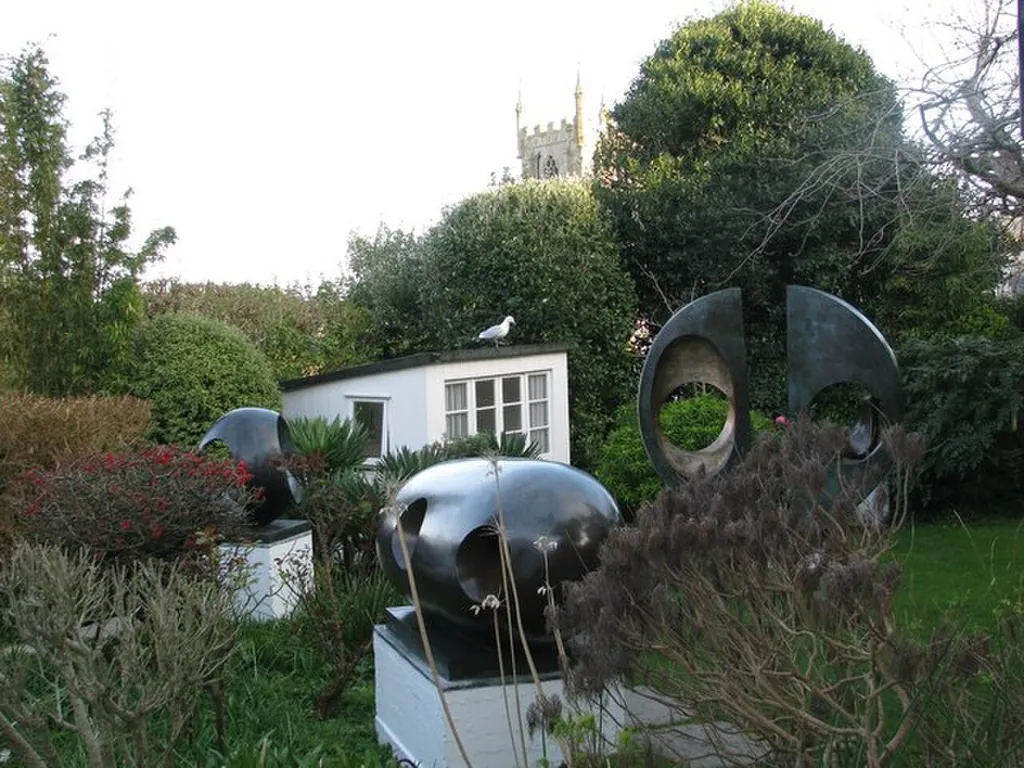
The home, studio and garden in St Ives where sculptor Barbara Hepworth worked until 1975, with bronzes standing where she placed them.
Alleen afzonderlijke secties laten voorlezen
Over het museum
Barbara Hepworth moved to Cornwall in 1939, at the start of the Second World War, with her husband Ben Nicholson and their young family. From 1949 she lived and worked at Trewyn Studio in St Ives, a studio with a yard and a garden, until her death in 1975. She described finding the place as a kind of magic, because it let her work outdoors in open space.
Hepworth laid out the garden herself with the help of her friend, the composer Priaulx Rainier. Most of the bronze sculptures still stand in the positions she chose for them, and visitors can also see the studio rooms where she carved and modelled.
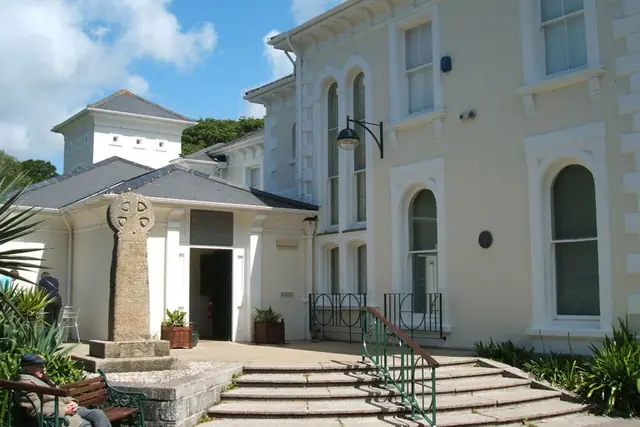
Trewyn Studio and much of the work remaining there were given to the nation and placed in the care of the Tate Gallery in 1980, and it is now open to the public as the Barbara Hepworth Museum and Sculpture Garden. It is now run by Tate together with Tate St Ives, which stands a short walk up Barnoon Hill, although the two have separate tickets.
Hoogtepunten
- Hepworth’s former home, studio and workshops
- Bronze sculptures placed by the artist herself
- Garden she designed with the composer Priaulx Rainier
- Visual story and audio story player for planning a visit
Vaste collectie
- Hepworth’s studio and garden – The studio rooms, workshops and garden where Hepworth worked, with bronzes displayed in the positions she chose.
- Opgericht
- 1976
- Beheerder
- Tate
Toegangsprijzen & kortingen
| Volwassenen | £ 10 |
|---|---|
| Met korting | £ 9Concessions |
| Kinderen & jongeren | gratisgratis t/m 18 jaar · Entry is free for visitors aged 18 and under. |
| Groepen (vanaf 10 pers.) | –Group rates are available for groups of ten or more who book in advance. |
| Adult, with donation | £ 11 |
| Concession, with donation | £ 10 |
Prices are shown without donation; the donation option adds £1. Entry is free for Tate Members and Locals Pass holders, who do not need to book. A separate ticket is needed for Tate St Ives.
Toegankelijkheid
- Deels rolstoeltoegankelijk
- Lift: geen informatie
- Aangepast toilet: geen informatie
- Gehandicaptenparkeerplaats: geen informatie
- Hulphonden welkom
- Tastmodellen / voelbare objecten: geen informatie
- Rondleidingen in gebarentaal: geen informatie
- Informatie in eenvoudige taal: geen informatie
- Audiodescriptie: geen informatie
The site has steps and uneven surfaces, so manual wheelchair access is by prior appointment only. Manual wheelchairs can be booked at least 24 hours before a visit by phone or email. Mobility scooters are not allowed. Guide dogs, hearing dogs and assistance dogs are welcome, and drinking bowls are available. A visual story and an audio story player help visitors plan or follow their visit.
Kinderen & gezin
| Toegang kinderen | gratis t/m 18 jaar |
|---|
Visitors aged 18 and under enter free.
Bereikbaarheid & parkeren
Met het openbaar vervoer
Trains run from London Paddington to St Erth, where a local branch line continues to St Ives. National Express coaches and local buses serve St Ives. A park and ride runs from St Erth station (about 10 minutes by train), and a shuttle bus runs all year from the Trenwith car park to the town centre.
Met de auto
Geen eigen parkeerplaats bij het museum.
The museum has no car park and parking in St Ives is limited. Visitors are advised to use the St Erth Park and Ride or the Trenwith car park with the shuttle bus. Barnoon car park is next to Tate St Ives.
The museum is a short walk from the town centre and Porthmeor beach. There is a covered bicycle rack at the rear of Tate St Ives, a short walk up Barnoon Hill from the museum; the nearest airport is Newquay.
Route plannenService & horeca
Het museum heeft hierover geen informatie gepubliceerd.
Evenementen & zaalverhuur
Het museum heeft hierover geen informatie gepubliceerd.
Je bezoek plannen
| Goed om te weten | An audio story player on the Tate website follows the museum and Hepworth’s life and work. |
|---|