Fuggerei
Four museums in the Fuggerei, the world's oldest social housing complex still in use – with a historic apartment and bunker exhibition, included in the Fuggerei ticket.
Om museet
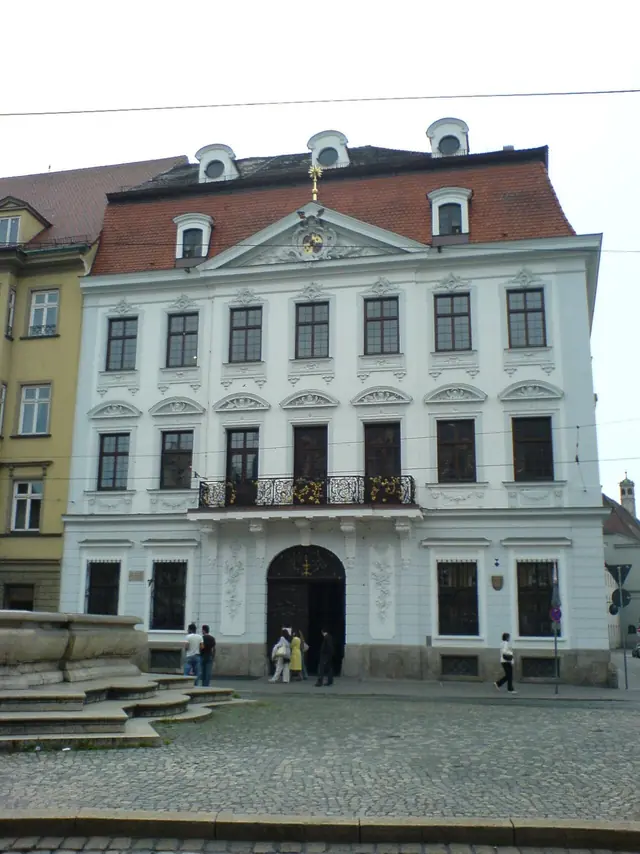
Jakob Fugger founded the Fuggerei in 1521 – also on behalf of his brothers – as a settlement for needy citizens of Augsburg; it is considered the oldest social housing complex in the world still in existence. Today around 150 Catholic residents live in 67 buildings for a symbolic annual rent of €0.88 (excluding utilities) and three daily prayers for the founding family. The “city within a city,” with its own church, is administered by the Fürstlich und Gräflich Fuggersche Stiftungs-Administration (the Fugger foundations' administration).
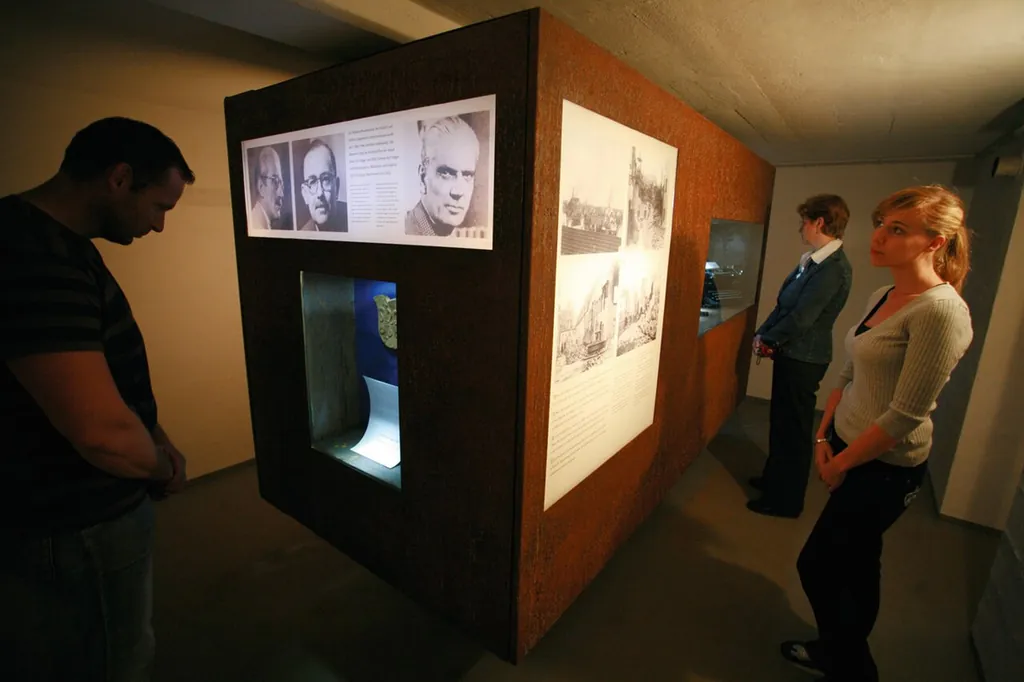
The Fuggereimuseum was established on Mittlere Gasse in 1957. In 2008 an exhibition was added in the air-raid bunker the Fugger family had built in 1943: here, around 200 residents survived the bombing night of February 25–26, 1944, in which much of the settlement was destroyed. The reconstruction was financed from foundation funds, mainly through timber sales.
For the 500th anniversary of the Fugger foundations, the exhibitions were redesigned in 2019 and 2021. Since then there have been four stations: the Museum of History and Living, with a facsimile of the founding charter and a reconstructed, furnished apartment dating partly back to 1517; the Museum of the Residents, in which today's residents tell their stories; the Museum of Everyday Life in a postwar apartment; and the bunker exhibition on destruction and reconstruction. Admission to all museums is included in the Fuggerei entrance fee.
Højdepunkter
- Historic apartment from 1517 with reconstructed furnishings
- Facsimile of Jakob Fugger's 1521 founding charter
- Exhibition in the 1943 World War II bunker on the bombing night and reconstruction
- Museum of the Residents with personal stories of today's Fuggerei residents
- Tactile model of the Fuggerei
- Walk through the lanes of the world's oldest social housing complex, with the church of St. Markus
Permanente udstillinger
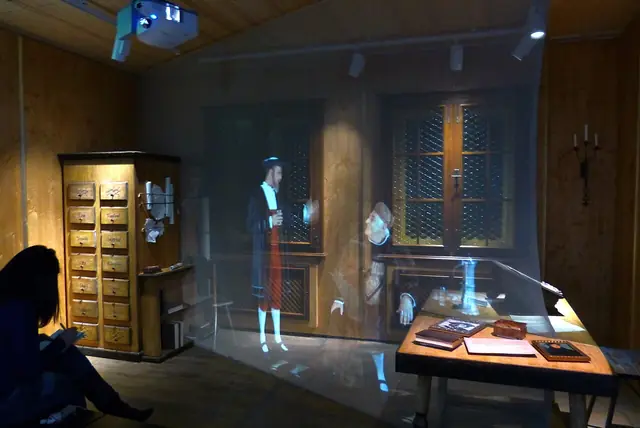
- Museum der Geschichte und des Wohnens – Multimedia exhibition on the foundation's history from 1521 to 1944 at Mittlere Gasse 14, and a reconstructed apartment in house no. 13 that tells of five centuries of everyday life through five resident families.
- Museum der Bewohner und Museum des Alltags – Two apartments on Ochsengasse show how life in the Fuggerei works today and how housing and need have changed since the postwar period – with films and residents' voices.
- Ausstellung im Weltkriegsbunker – In the 1943 air-raid bunker, images, objects, and a film document the destruction of the Fuggerei in February 1944 and its reconstruction with foundation funds.
- Grundlagt
- 1957
- Ejer
- Fürstlich und Gräflich Fuggersche Stiftungs-Administration
Entrépriser & rabatter
| Voksne | 8 € |
|---|---|
| Nedsat pris | 7 €Retirees, people with disabilities, groups of 10 or more, university students, holders of the Ehrenamtskarte (volunteer card) |
| Børn og unge | 4 €gratis til og med 7 år · Children up to age 7 free, ages 8–17 €4. |
| Pensionister | 7 € |
| Personer med handicap | 7 € |
| Studerende og elever | 7 € |
| Grupper (fra 10 pers.) | 7 € pr. person |
| Familier | 18 €2 adults and up to 4 children up to age 17. |
| School class (up to 30 students and 2 teachers) | 45 € |
| Kultursozialticket (culture ticket for low-income visitors) | 1 € |
| Annual pass for Augsburg residents (valid for 2 people) | 15 € |
| Annual pass for non-Augsburg residents (valid for 2 people) | 30 € |
| Public guided tour (Saturdays at 15:00) | 16 €Including admission; children €8; minimum 7 participants. |
The ticket covers the Fuggerei including all four museums, the bunker, and the historic apartment; there is no separate museum admission. Tickets at the ticket desk (card payment accepted) or online.
Tilgængelighed
- Delvis kørestolsvenlig
- Elevator: ingen oplysninger
- Handicaptoilet
- Handicapparkering: ingen oplysninger
- Servicehunde tilladt: ingen oplysninger
- Taktile tilbud
- Rundvisninger på tegnsprog
- Letlæste tilbud: ingen oplysninger
- Synstolkning: ingen oplysninger
The listed complex is not fully accessible; paths are mostly paved with cobblestones. The museums can be reached via ramps, but the bunker museum is not wheelchair-accessible; in the historic apartment, door thresholds make access to some rooms difficult. Free loan wheelchair at the ticket desk, marked accessible restrooms. Media stations are wheelchair-accessible and subtitled, with a tactile model and audio stations; tours in German Sign Language can be booked. A companion is recommended for visitors with visual impairments.
Børn og familie
Museet har ikke offentliggjort oplysninger om dette – spørg venligst museet direkte.
Transport & parkering
Med offentlig transport
Fuggerei
Tram line 1 from Königsplatz (toward Lechhausen/Ostfriedhof) to the “Fuggerei” stop at the Jakobskirche.
I bil
Parkering muligt
Only a few spaces directly at the Fuggerei; parking garages in the city center or at the City-Galerie are recommended. Bus parking at Jakobsplatz (1 hour with parking disc, limited due to construction), Am Oberen Graben 37/39, and Fuggerstraße 9/11 (3 hours each with parking disc).
GPS address: Jakoberstraße 26; main entrance next to the restaurant "Die Tafeldecker".
Planlæg ruteService & spisesteder
- Restaurant
Restaurant "Die Tafeldecker" with beer garden at the entrance (closed Mondays). Dogs allowed on a leash. Fuggerei guide (book) available for €7.
Arrangementer & udlejning
Museet har ikke offentliggjort oplysninger om dette – spørg venligst museet direkte.
Planlæg dit besøg
| Rundvisninger | ja |
|---|---|
| Tilbud til skoler | ja |
| Godt at vide | Public guided tour every Saturday at 15:00 (meeting point in front of St. Markus). Book group tours (60 min., €90 in German, €110 in other languages, plus admission) and school class tours (45 min., €75) at least one week in advance at fuehrungen@fugger.de; languages include English, Italian, French, Spanish, Dutch, Polish, and Russian. Themed tours on architectural history, destruction and reconstruction, or medical history. Around 150 people live in the settlement – please respect their privacy and keep noise down. Museum texts in German and English. |