Musée du CPAS de Bruxelles
Small CPAS museum: paintings, sculptures, silverware and medical objects from Brussels' former almshouses, open on weekday afternoons.
Have only individual sections read aloud
About the museum
The Brussels CPAS trace their origins back to the late 18th century: under French rule, the city's former charitable institutions were brought together within the Conseil général des Hospices et Secours (General Council of Hospices and Relief), which received all their heritage, including the paintings, sculptures and silverware of the pious foundations, hospices, hospitals and the Beguinage. This heritage was first gathered in the administration's offices, then in 1843 installed on the site of the Saint-Jean hospital, where part of the collections could be seen, notably in the chapel.
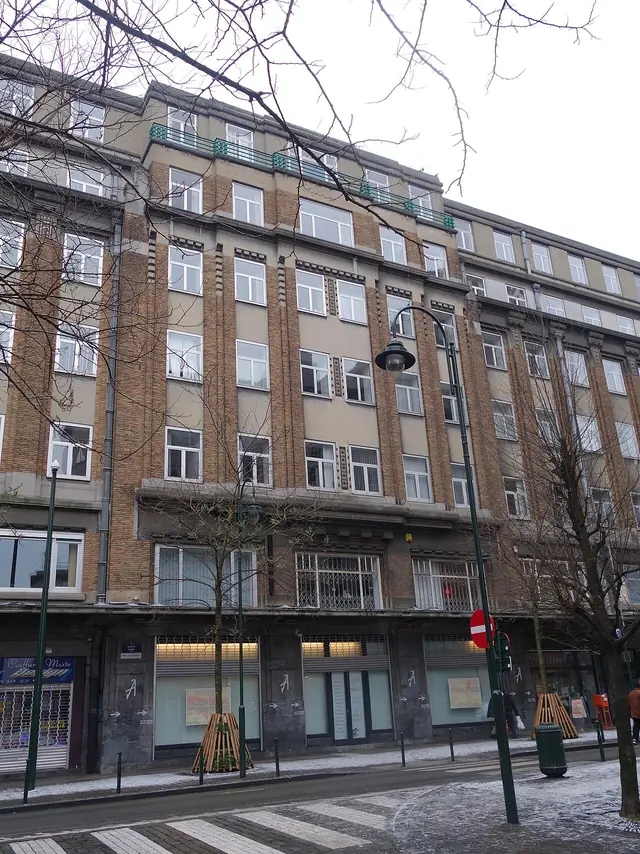
At the beginning of the 20th century the Council of Hospices wanted to show this heritage. A small museum was set up under the direction of the archivist Paul Bonenfant and opened on 26 April 1927, which makes it one of the oldest museums in Belgium. In 1935 the move of the administration to rue Haute led to the works being redeployed in the present building.
The collections come mainly from gifts and bequests made to the charitable institutions. The oldest piece dates from the 14th century. The museum holds paintings, prints, sculptures, silverware, ceramics, furniture, textiles, coins and medals, as well as medical instruments from the 19th and 20th centuries. The polyptych of The Life and Death of the Virgin, commissioned from Bernard van Orley by two beguines, is one example.
Highlights
- Collections from the former hospices, hospitals and the Beguinage of Brussels
- Polyptych of The Life and Death of the Virgin by Bernard van Orley
- Paintings, sculptures, silverware, ceramics, furniture and textiles
- Medical instruments from the 19th and 20th centuries
- One of the oldest museums in Belgium, opened in 1927
Permanent exhibitions
- Collections artistiques – Paintings, sculptures, silverware, ceramics and furniture bequeathed to the former charitable institutions, including pieces from the 14th century.
- Collections médicales – Medical instruments from the 19th and 20th centuries (pulmonology, surgery, obstetrics, ophthalmology, etc.), pharmacy jars and mortars.
- Founded
- 1927
- Operated by
- CPAS de Bruxelles
Admission & discounts
Admission is free.
Self-guided visits are free. Guided tours are by reservation, at the rate set by the external guide.
Accessibility
- Wheelchair accessible
- Elevator: no information
- Accessible restroom: no information
- Accessible parking: no information
- Service dogs welcome: no information
- Tactile models & exhibits: no information
- Sign language tours: no information
- Easy-to-read materials: no information
- Audio description: no information
The museum states that access is guaranteed for people with reduced mobility.
Kids & families
The museum hasn’t published any information on this.
Getting there & parking
By public transit
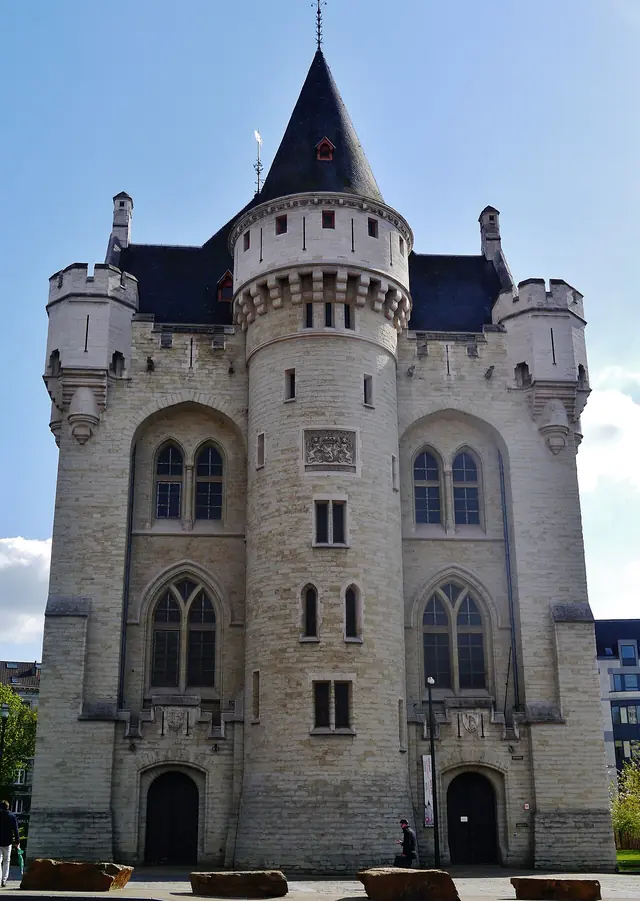
Porte de Hal
Train: gare de Bruxelles-Midi; metro lines 2 and 6, Porte de Hal stop; tram 3, 4 and 51, Porte de Hal stop; STIB buses 27 and 48 (Saint-Pierre or Porte de Hal stops), De Lijn 134, 136 and 137, TEC 365 and W
By car
Paid parking around rue Haute and Porte de Hal.
Amenities & dining
The museum hasn’t published any information on this.
Events & venue rental
The museum hasn’t published any information on this.
Plan your visit
| Guided tours | yes |
|---|---|
| Good to know | Guided tours by reservation only, for groups of up to 20 people; contact: musee@cpasbxl.brussels. |