Sládečkovo vlastivědné muzeum v Kladně
Regional museum of the Central Bohemian Region in Kladno with short-term exhibitions on history, nature and art; the permanent exhibition is permanently closed.
Have only individual sections read aloud
About the museum
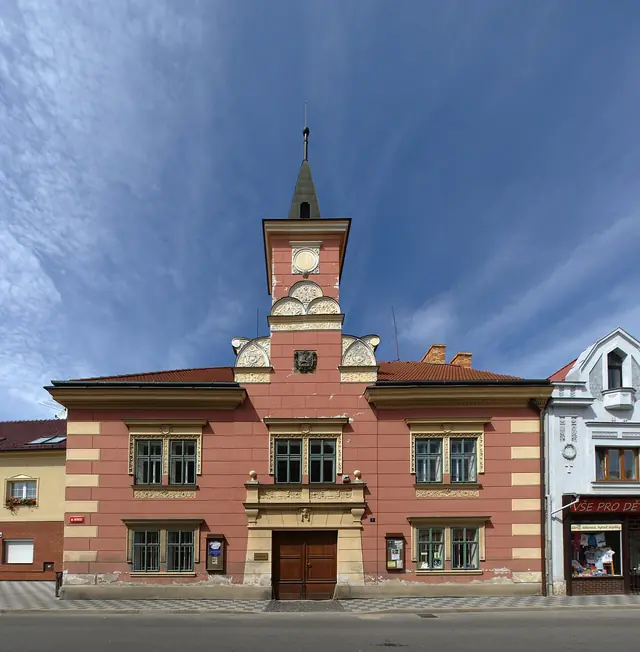
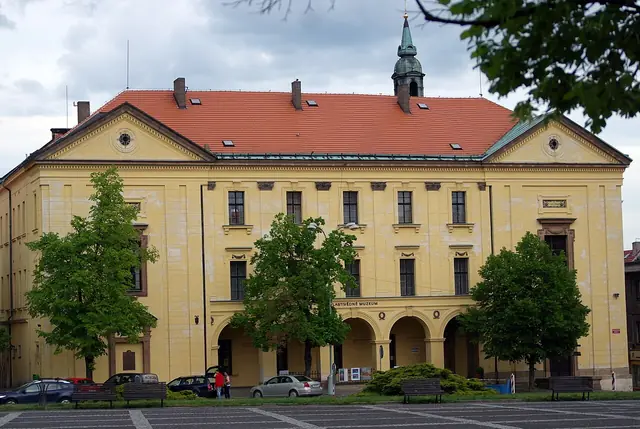
The town museum in Kladno was founded in 1899 on the initiative of mayor Jaroslav Hruška; its foundation consisted of gravestones and artworks from the demolished church of the Assumption of the Virgin Mary. After the First World War the collections were kept temporarily in several buildings, until the town bought the Kladno château from the Benedictines of Břevnov at the end of the 20s or beginning of the 30s and moved the museum, archive and library into it. The first director was Antonín Sládeček, after whom the museum is named today.
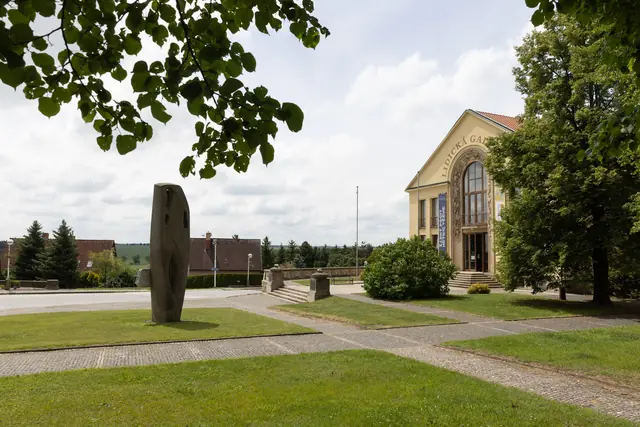
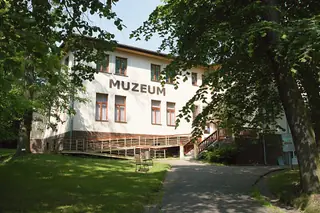
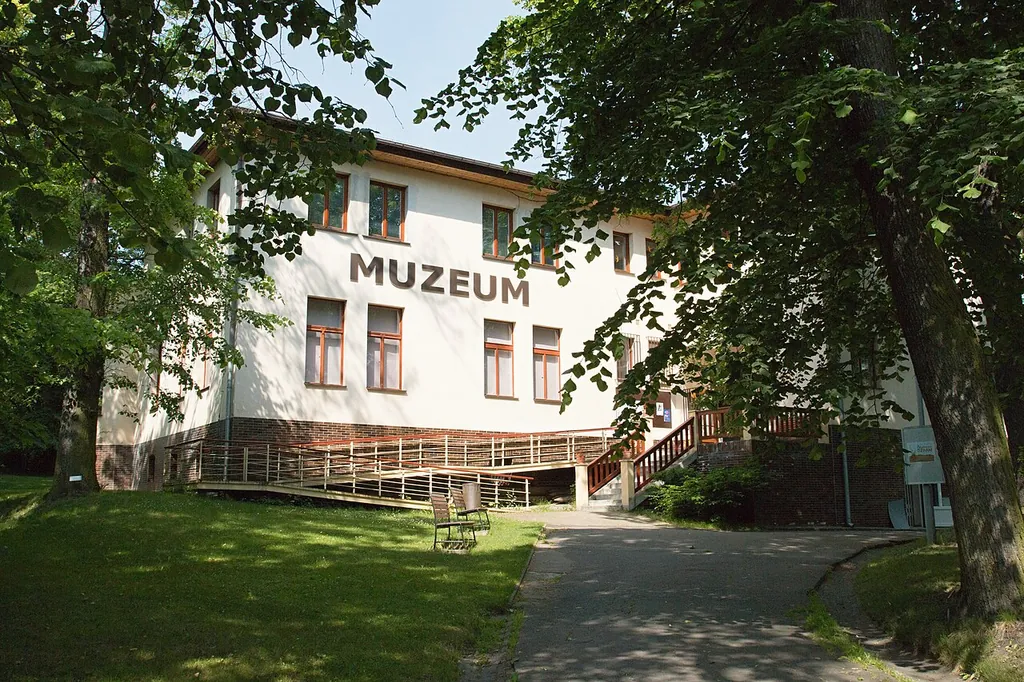
In 1954 the museum became a district museum; after the Velvet Revolution its branches in Unhošť and Velvary became independent. In 2003 it passed to the Central Bohemian Region and was renamed Sládečkovo vlastivědné muzeum (Sládeček Local History Museum). The museum moved into a purchased director's villa of the former Poldi steelworks on Huťská Street, where it was ceremonially opened on 28 March 2008.
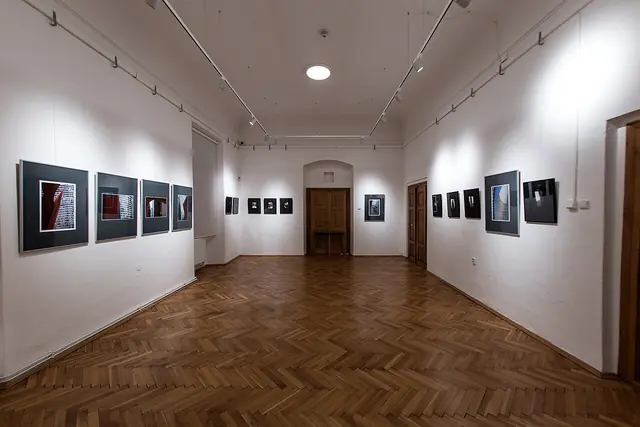
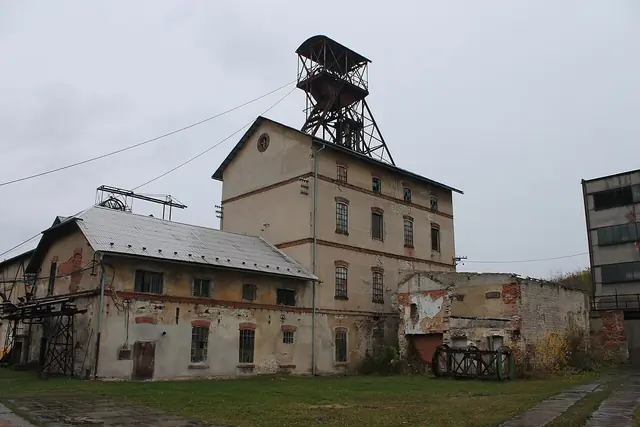
The permanent exhibition is now permanently closed; in its place the museum prepares spatially demanding short-term exhibitions on history, natural sciences and art, educational programmes for schools and lectures. The museum also has branches: the Hornický skanzen Mayrau in Vinařice, a military bunker near Bratronice, and the rotunda of St Peter and St Paul at Budeč.
Highlights
- short-term exhibitions on history, natural sciences and fine art
- educational and teaching programmes for schools
- lectures on regional history and nature
- branches: Hornický skanzen Mayrau, the bunker near Bratronice and the rotunda at Budeč
- virtual exhibition “Na přelomu epoch” about Kladno at the turn of the 19th and 20th centuries
- Founded
- 1899
- Operated by
- Středočeský kraj (příspěvková organizace)
- Director
- Lukáš Krinke
Admission & discounts
| Adults | 80 Kč |
|---|---|
| Reduced | 40 KčSeniors over 65, children under 15 and students. |
| Children & teens | 40 Kčfree up to age 5 · Children aged 6 to 15; children under 6 enter free. |
| Seniors | 40 KčSeniors over 65. |
| Visitors with disabilities | freeHolders of ZTP and ZTP-P cards enter free. |
| Students & apprentices | 40 Kč |
| Families | 200 KčTwo adults and three children. |
| School admission to an exhibition without a guide | 40 KčPrice per pupil; teacher free of charge. |
| School programme led by a guide | 50 KčPrice per pupil, minimum payment CZK 500; teacher free of charge. |
The prices listed apply to short-term exhibitions in 2026; the admission price for the new exhibition had not been published at the time of writing. Free admission is also granted to children from children's homes accompanied by a supervisor, and to holders of AMG, ICOM, RG ČR, RGS and ZMS cards. A lecture usually costs CZK 50, a popular lecture CZK 120.
Accessibility
The museum hasn’t published any information on this.
Kids & families
Great for kids & families
| Kids’ admission | free up to age 5 |
|---|---|
| Family ticket | 200 Kč · Two adults and three children. |
- Family tours & workshops
Games, competitions and workshops for different generations are prepared for the exhibitions. For families, the game Permoníkova procházka centrem Kladna and the online guide Špacír Kladnem can be downloaded free of charge.
Getting there & parking
By car
Parking available
The museum grounds have a clay-and-gravel car park for about 30 cars; there are bicycle stands in front of the building.
Amenities & dining
The museum hasn’t published any information on this.
Events & venue rental
The museum hasn’t published any information on this.
Plan your visit
| School programs | yes |
|---|---|
| Photography | Photography for personal use is free; publishing photographs taken in the museum is possible only after prior agreement with the museum management. |
| Good to know | The museum offers educational programmes led by a guide directly in the exhibitions; school programmes must be booked in advance. |