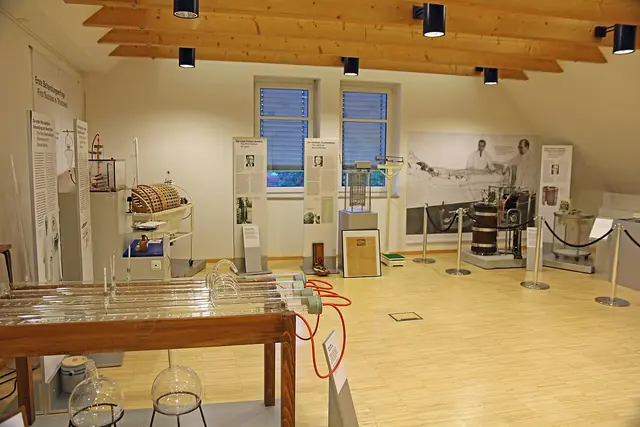
Posters, programs, photos, original objects and early film footage on Jewish circus families who also performed at the Fürth Kirchweih fair (JMF Fürth).
Photographs that link motifs of the Feast of Tabernacles with questions of religious tradition, identity and belonging (JMF Schwabach).
About the museum
The Jüdisches Museum Franken is run by a sponsoring association founded in 1990, whose members are the district of Middle Franconia, the cities of Fürth and Schwabach, the district of Nürnberger Land and the market town of Schnaittach; a friends' association has supported the museum since 1988. All of its sites are listed historic buildings.
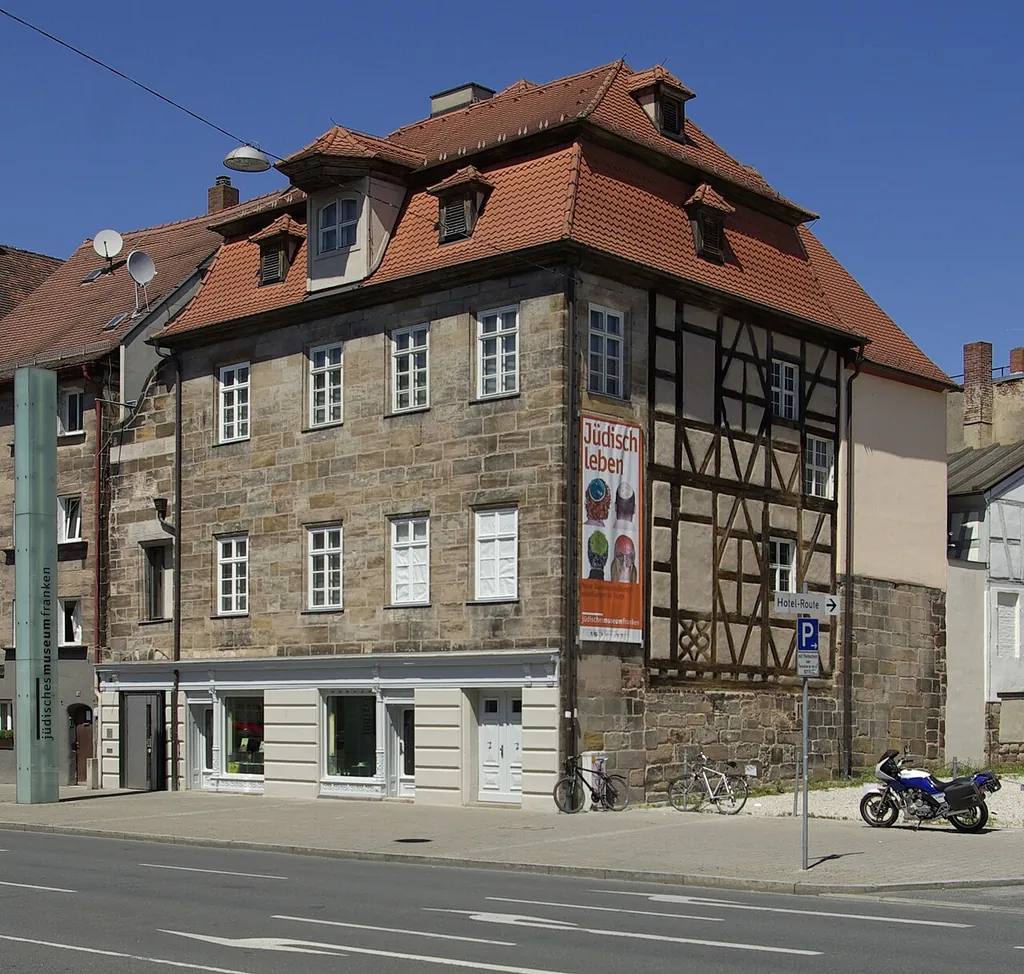
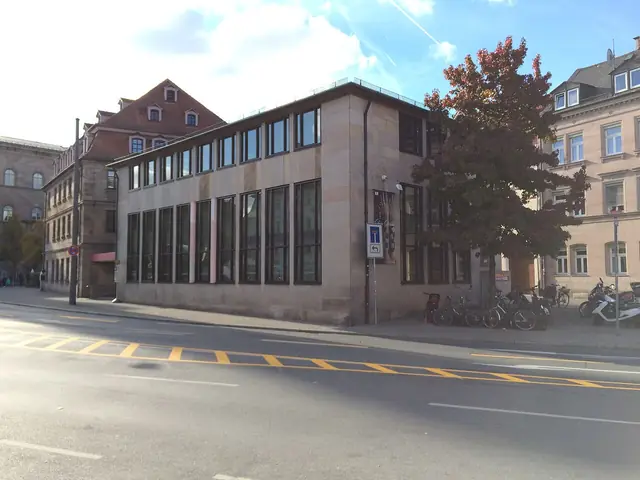
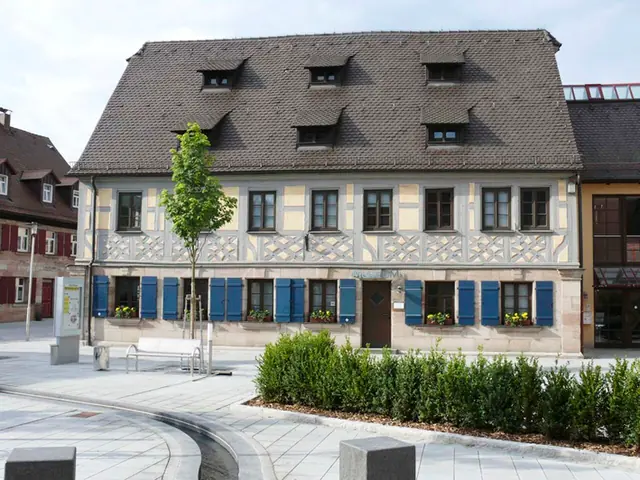
The headquarters is a residential and commercial building on Königstraße in Fürth that belonged to Jewish families from the 17th until the late 19th century. The cellar holds a ritual bath built in 1702, and the rear annex preserves sukkahs (festival huts) from the 18th and 19th centuries with a movable roof. After a period of renovation, the Fürth building reopened in May 2018 together with an extension of around 900 square meters. The permanent exhibition shows why Fürth became the most important religious center of southern German Jewry.
In Schnaittach the museum is housed in a synagogue built in 1570, with a rabbi's and cantor's house and ritual bath, and presents evidence of rural Jewish culture. The newest site, in Schwabach, opened in 2015 and preserves a sukkah with late Baroque wall paintings discovered during renovation work around 2000. In addition there is the Krautheimer Krippe branch in Fürth. The collection comprises Judaica and everyday objects; Daniela F. Eisenstein has directed the museum since 2003.
Highlights
Historic ritual bath from 1702 in the main Fürth building
Sukkahs with a coffered ceiling in Fürth and late Baroque wall paintings in Schwabach
Synagogue from 1570 with men's and women's sections in Schnaittach
Judaica and everyday objects on Franconian Jewish history
Café with museum garden and bookshop in Fürth
Permanent exhibitions
Dauerausstellung Fürth – Judaica and everyday objects tell of the history and present of Jewish life in Franconia, set in a historic house with a ritual bath and sukkah.
Dauerausstellung Schnaittach – Ritual objects and everyday items from the rural Jewish communities around Schnaittach, in the synagogue of 1570.
Dauerausstellung Schwabach – Building traces and animated films about the Koppel family's sukkah, the Feast of Tabernacles and the Jewish history of Schwabach.
Operated by
Trägerverein Jüdisches Museum Franken e.V.
Director
Daniela F. Eisenstein
Visitors per year
approx. 14,820 (2024)
Admission & discounts
Adults
€6
Reduced
€3School pupils, apprentices and university students (individual visits), Federal Volunteer Service participants, unemployed people (ALG I), people with severe disabilities (50% or more), members of the Bundesverband der Gästeführer (German tour guide association)
Children & teens
freefree up to age 13 · Children up to and including age 13 free.
Seniors
–No senior discount listed.
Visitors with disabilities
€3companion free · Companion recognized by a doctor as necessary admitted free.
Students & apprentices
€3
Groups
–Museum tour for registered groups €80 plus admission per person; school classes €3 per person. City and cemetery tours also available (€80).
Families
€152 adults and up to five children; permanent and temporary exhibitions together €18.
Permanent and temporary exhibitions (Fürth)
€8Reduced €5.
Combination ticket with the Bibelmuseum
€6Reduced admission to the permanent exhibition in Fürth on presentation of a Bibelmuseum ticket.
Public guided tour
€8Reduced €6, young people aged 14–18 €3, each plus €3 reduced admission.
Prices for Fürth: permanent or temporary exhibition €6, both together €8 (reduced €3 and €5 respectively). Schnaittach and Schwabach: €5, reduced €3, families €15. Free admission for, among others, recipients of state benefits, holders of the Fürth-Pass, Nürnberg Card, Schwabach Card and Bavarian Ehrenamtskarte (volunteer card), and members of the Museumsbund, AEJM and ICOM. From October 3 to 14, 2026, admission to the temporary exhibition “Hereinspaziert – Manege frei!” is free.
Accessibility
Partially wheelchair accessible
Elevator
Accessible restroom: no information
Accessible parking: no information
Service dogs welcome: no information
Tactile models & exhibits: no information
Sign language tours: no information
Easy-to-read materials: no information
Audio description: no information
Fürth: new building and study library accessible; in the old building four exhibition levels can be reached by elevator, but there are different floor levels and thresholds, and the ritual bath and sukkah are reachable only by stairs – an accompanying person is recommended. Krautheimer Krippe, Schnaittach and Schwabach are not accessible.
Kids & families
Great for kids & families
Kids’ admission
free up to age 13
Family ticket
€15 · 2 adults and up to five children; permanent and temporary exhibitions together €18.
Family tours & workshops
Hands-on programs for kindergartens, preschoolers, and the first elementary school grades (90 minutes each), for example on Jewish festivals or kosher food with tasting. Family and holiday programs have been announced.
Getting there & parking
By public transit
Rathaus
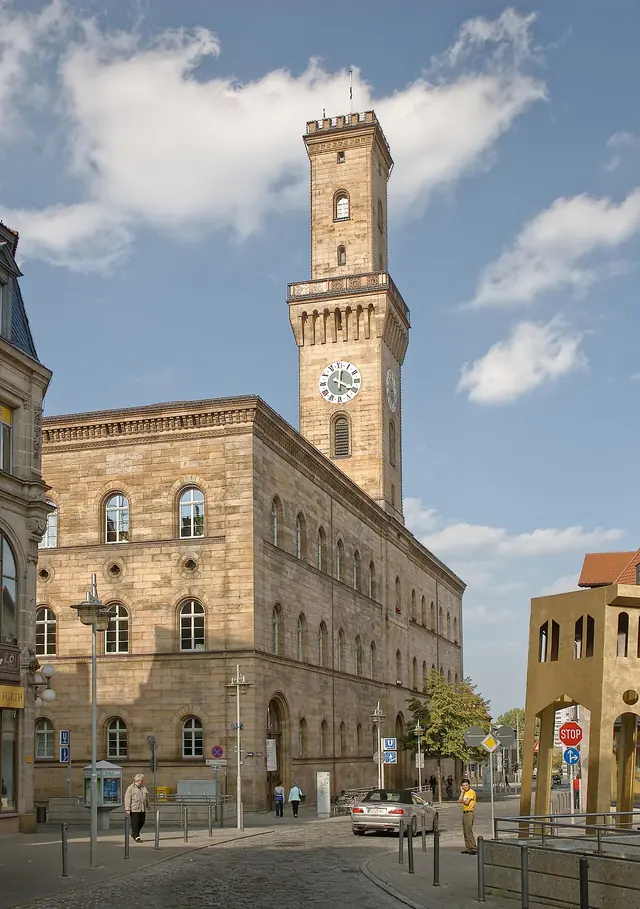
U1 subway to Rathaus (Fürth). Schnaittach: Schnaittach station. Krautheimer Krippe: Jakobinenstraße subway station or Fürth Hbf.
By car
Parking available
Fürth: City Center underground garage (Königstraße 112–114). Schwabach: Bürgerparkhaus.
Mary S. Rosenberg Café with the Alfred Heilbronn Museum Garden; Jakob Wassermann Bookstore & Museum Shop (each Tue–Sun 10:00–17:00). Bags and luggage must be stored in lockers.
Events & venue rental
The museum hasn’t published any information on this – please ask the museum directly.
Plan your visit
Guided tours
yes · approx. 1.5 hrs
School programs
yes
Photography
Photography without flash allowed for private purposes; photos for publication only with prior permission.
Good to know
Exhibition texts in German and English; museum, city and cemetery tours in German, English and Russian. Workshops against antisemitism and educational programs for schools can be booked.