Kloster Weltenburg – Museum im Felsenkeller
Museum in the historic rock cellar of the Benedictine abbey of Weltenburg, presenting a thousand years of monastic, natural and brewing history on the Danube.
Have only individual sections read aloud
About the museum
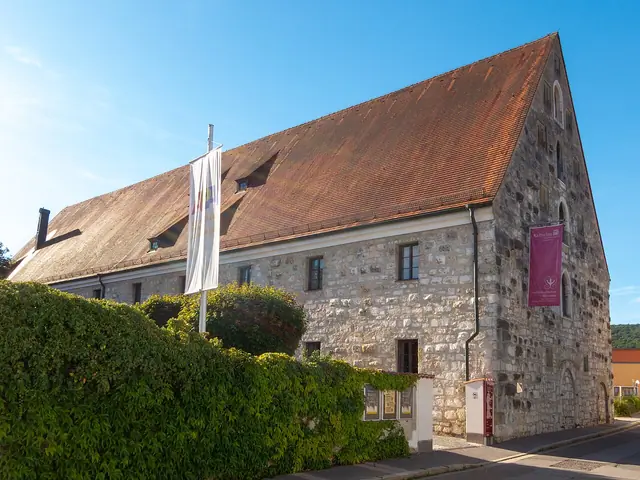
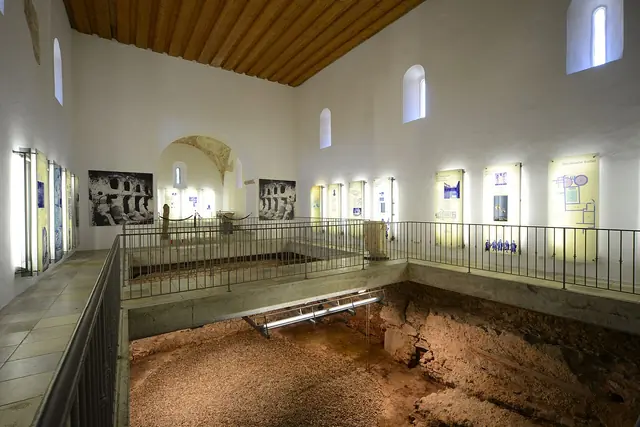
The museum is located in the historic rock cellar of the monastery brewery at Weltenburg, a cellar hewn out of natural rock that already appears in an engraving from 1726. The exhibition was designed by Dr. Maria Baumann; it has now been newly presented and supplemented with additional objects. It tells the story of the Benedictine abbey from the Middle Ages to the present, where seven monks live today.
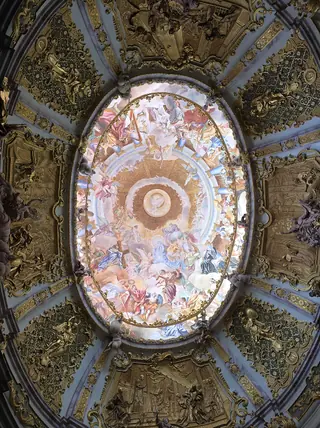
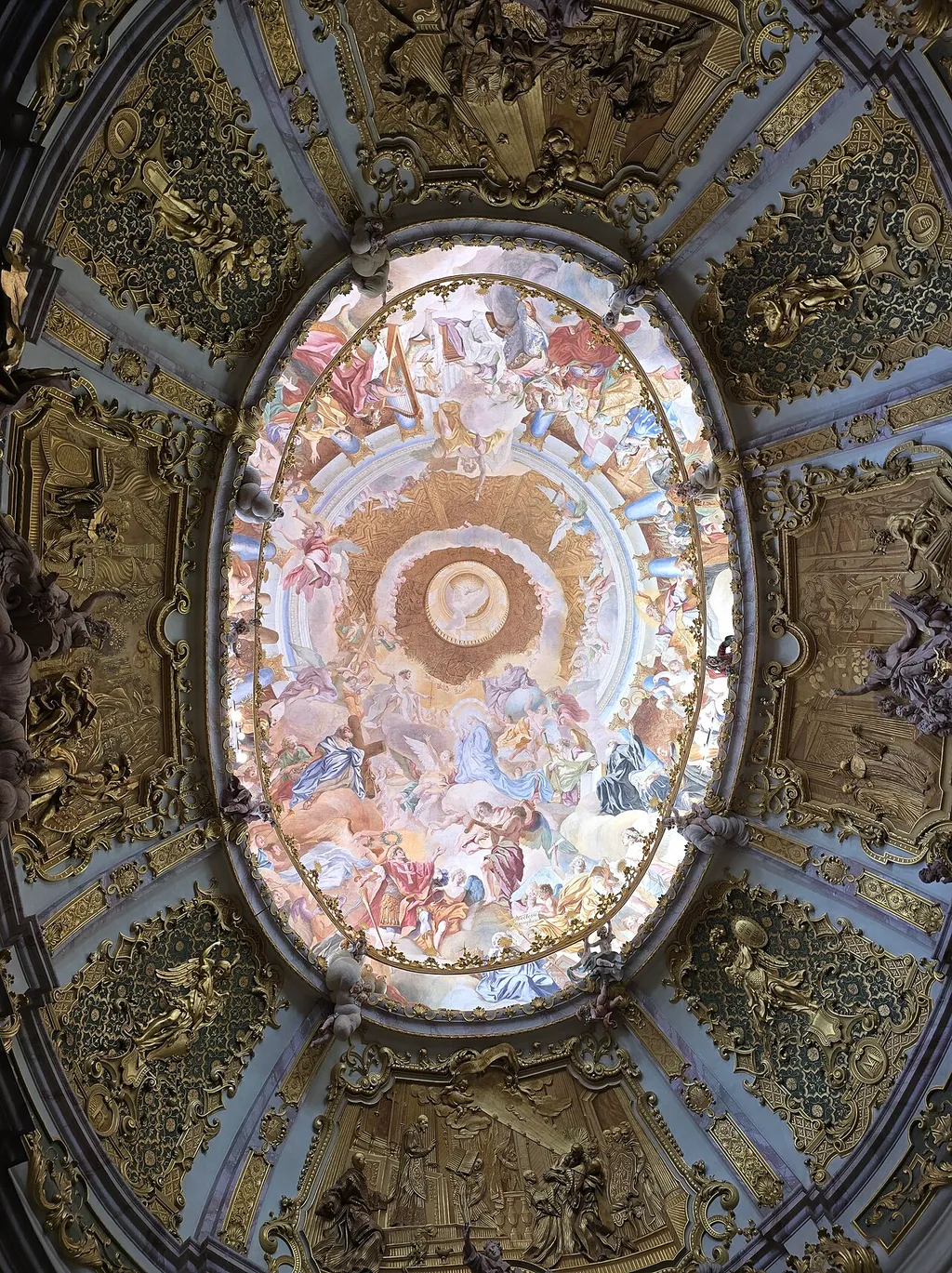
The arc runs from a Stone Age flint axe through the first early Christian traces to today's monastic life. The exhibition commemorates Abbot Maurus Bächel, who began building the monastery church in 1716 with great daring and little money, and the work of the Asam brothers. One focus is the craftsmanship of masons, carpenters, stonemasons and plasterers; exhibits include the seal of Cosmas Damian Asam and plasterers' tools.
A separate section is devoted to beer, from the Sumerians through the monks' first brewing around the turn of the millennium to the Reinheitsgebot (German Purity Law), under which Weltenburg monastery beer is still brewed today. An environment room presents the nature of the Weltenburger Enge protected area, the last wild river section of the Danube in Bavaria, including the Donau-Kahnschnecke (Danube boat snail), feather grass and the hermit beetle. Films on the monastery, brewery and church complete the tour.
Highlights
- Museum in the rock cellar hewn from the cliff of the monastery brewery
- Seal of Cosmas Damian Asam and plasterers' tools
- Section on brewing and the Reinheitsgebot
- Environment room on the Weltenburger Enge with the Donau-Kahnschnecke (Danube boat snail)
- Films on Benedictines, the monastery brewery and the church
Permanent exhibition
- 1000 Jahre Geschichte im Felsenkeller – Tour from the Stone Age through monastery history and the construction of the Asam church to the life of the Benedictines today, with sections on the brewery and nature.
- Operated by
- Benediktinerabtei Weltenburg
Admission & discounts
| Adults | €4 |
|---|---|
| Reduced | €3Children, apprentices, students |
| Children & teens | €3Children pay the reduced rate. |
| Students & apprentices | €3Apprentices and students |
Prices 2026 per person. Payment on site in cash, by card (Girocard, Mastercard, Visa) or by voucher on invoice.
Accessibility
The museum hasn’t published any information on this.
Kids & families
The museum hasn’t published any information on this.
Getting there & parking
By public transit
No regular bus service to Weltenburg. From Saal an der Donau station take a bus to Kelheim, then VLK lines 5 and 10 to Weltenburg; from mid-March to the end of October also a boat from Kelheim to Weltenburg. From Abensberg station (about 12 km) take a taxi.
By car
Parking available
Visitor parking in the village of Weltenburg; driving through to the monastery is only permitted for monks, guests and suppliers. Electric car charger (Type 2, 22 kW) at Asamstraße 2, next to the village church. From the bus parking or the boat landing, allow about a 10-minute walk.
In the navigation app, activate "Avoid ferries". On foot or by bike you can cross the Danube by cable ferry from Stausacker to Weltenburg, or by boat from Kelheim (observe seasonal times).
Get directionsAmenities & dining
- Restaurant
- Museum shop
Monastery tavern with beer garden and kiosk, and a monastery shop on the grounds.
Events & venue rental
The museum hasn’t published any information on this.
Plan your visit
| Guided tours | yes · approx. 30 min |
|---|---|
| Good to know | Films in German and English run in the visitor center (Benedictines in Weltenburg, approx. 25 min.; monastery brewery, 14 min.; virtual church tour, 19 min.). The church tours (30 minutes, daily with booking 10 days in advance, also in English) cover the monastery church, not the museum; there are no tours of the monastery or the garden. |