Regional museum in Krumbach on everyday life, crafts, religion, and history of Central Swabia, housed in a former Jewish townhouse and three other buildings.
Survey of works by the artist Sandra-Janine Müller, who combines traditional costumes, festive crowns and historical craftsmanship with current themes and upcycling materials.
Special exhibition on the religious art of the Nazarenes in Swabia, accompanied by guided tours and an educational programme for school classes.
About the museum
The first impetus for a museum in Krumbach came in 1908 from district officer Ernst Riedel, who, in the spirit of the then-popular homeland preservation movement, called for the collecting of old art and everyday objects. However, serious collecting only began after the founding of the Heimatverein for the Krumbach district in 1932.
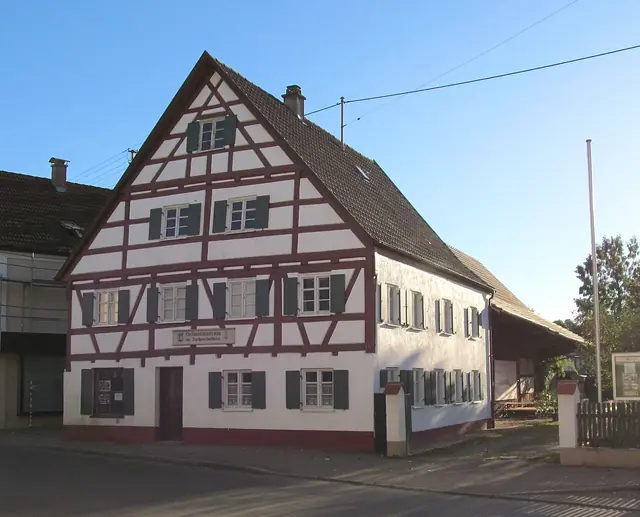
In 1938 the town came into possession of the former Jewish residence at what is now Heinrich-Sinz-Straße 5, which was to serve as a local history museum; the Second World War delayed the plans. The museum only opened in September 1950, following a concept by state conservator Joseph Maria Ritz. In the following decades the exhibition was repeatedly expanded and lost its clear focus; structural defects were added to this.
In 1995 a special-purpose association, supported half each by the town of Krumbach and the district of Günzburg, took over the museum; the objects are contributed by the Heimatverein. The association acquired the neighboring former inn "Krone," which by 2000 became the entrance and exhibition building. By 2003 the renovation of the listed townhouse and its rear building followed, with individual rooms preserved in their old state of presentation.
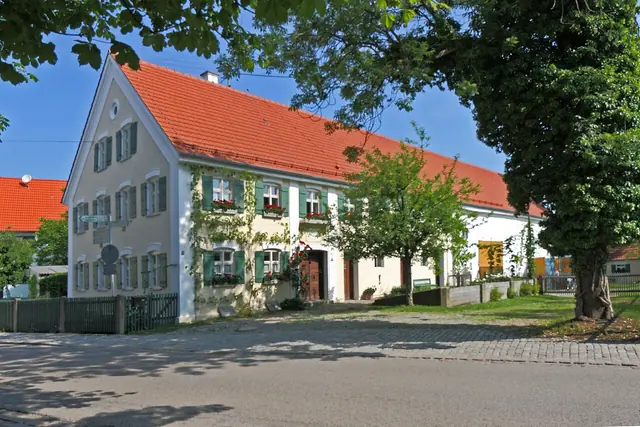
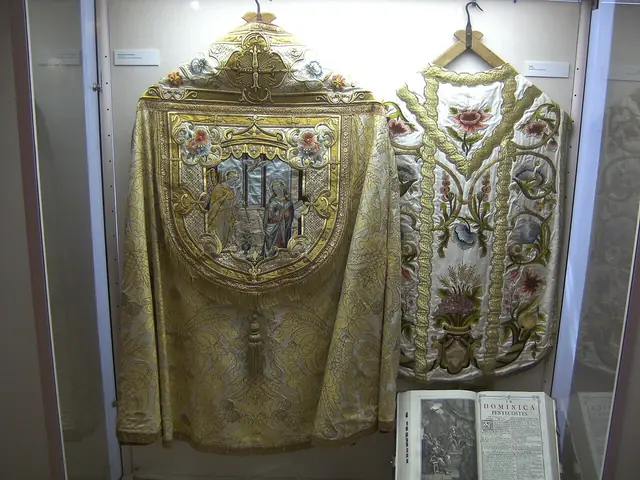
Since then the museum has consisted of four buildings and an outdoor area with a historic railway signal tower and a glazed carriage shed for vehicles. On display are religion, law, crafts, trades, and living culture of the region; a sukkah (booth for the Feast of Tabernacles) recalls the Jewish history of the house. In 2017 a section on flight and expulsion after 1945 was added; in winter the museum traditionally presents nativity scenes. In 2011 it received the Swabian Museum Prize.
Highlights
Former Jewish townhouse from 1810 with sukkah
Farmhouse parlor and bourgeois salon as historic living rooms
Outdoor area with railway signal tower and vehicle shed
Section "Neue Heimat Mittelschwaben" on flight and expulsion
Nativity scene show in winter
Free audio guide with 24 stations
Permanent exhibitions
Dauerausstellung zur Geschichte Mittelschwabens – A tour through four buildings on religion, the judiciary, crafts, trades, and living, from the farmhouse parlor to the bourgeois salon.
Neue Heimat Mittelschwaben – Flucht und Vertreibung – The section opened in 2017 uses documents and objects to show how displaced persons arrived and gained a foothold in the region after 1945.
€2Students who do not come from the district of Günzburg; people with severe disabilities with marker G, aG, or H
Children & teens
€2free up to age 6 · Children up to age 6 free; students from the district of Günzburg free, other students pay the reduced price.
Visitors with disabilities
€2companion free · With marker G, aG, or H.
Groups (5+ people)
€3 per person
Families
€8
Guided tour €2 per person additional. Free admission also for the museum's volunteer staff.
Accessibility
Wheelchair accessible
Elevator: no information
Accessible restroom
Accessible parking
Service dogs welcome
Tactile models & exhibits: no information
Sign language tours: no information
Easy-to-read materials: no information
Audio description: no information
Accessible entrance, step-free public areas, and seating.
Kids & families
Great for kids & families
Kids’ admission
free up to age 6
Family ticket
€8
Family tours & workshops
The "Schule der Phantasie" offers creative courses for children at the museum (mostly from age 4, small course fee). There are also hands-on afternoons for grandparents with grandchildren and holiday programs.
Getting there & parking
By car
Accessible parking
Krumbach is located in Central Swabia between Augsburg, Memmingen, and Ulm. Accessible parking spaces available.
Ticket desk and coat check in the entrance building; currently no Wi-Fi in the museum.
Events & venue rental
The museum hasn’t published any information on this.
Plan your visit
Guided tours
yes · approx. 45 min
Audio guide
yes (DE)
School programs
yes
Good to know
Free audio guide (approx. 50 minutes, 24 stations) at the ticket desk or as an app for Android and iOS; it is best to download the app in advance. Themed tours (approx. 45 min.) by arrangement via email; museum education programs for all school types from preschool age.