Reichskammergerichtsmuseum
Legal history museum in Wetzlar about the Imperial Chamber Court, the highest court of the Holy Roman Empire – admission on a "pay what you want" basis.
Have only individual sections read aloud
About the museum
Wetzlar was the last seat of the Imperial Chamber Court, which was established in 1495 under Emperor Maximilian I as part of the Imperial Reform and the Perpetual Public Peace. Its purpose was to settle disputes through legal process rather than force. With the court came judges, lawyers and chancery staff to the town, who built stately residences for themselves.
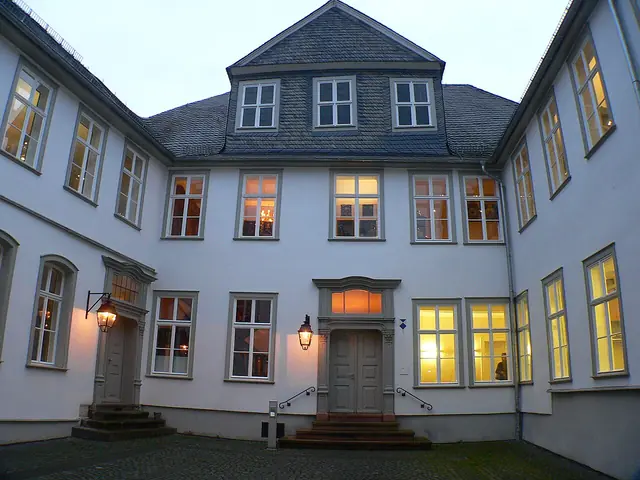
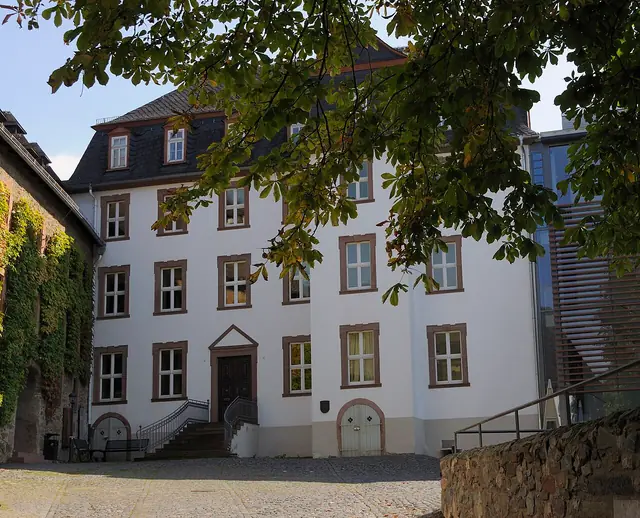
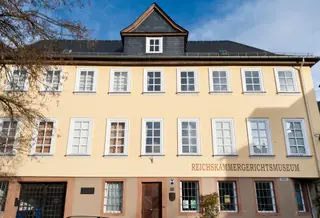
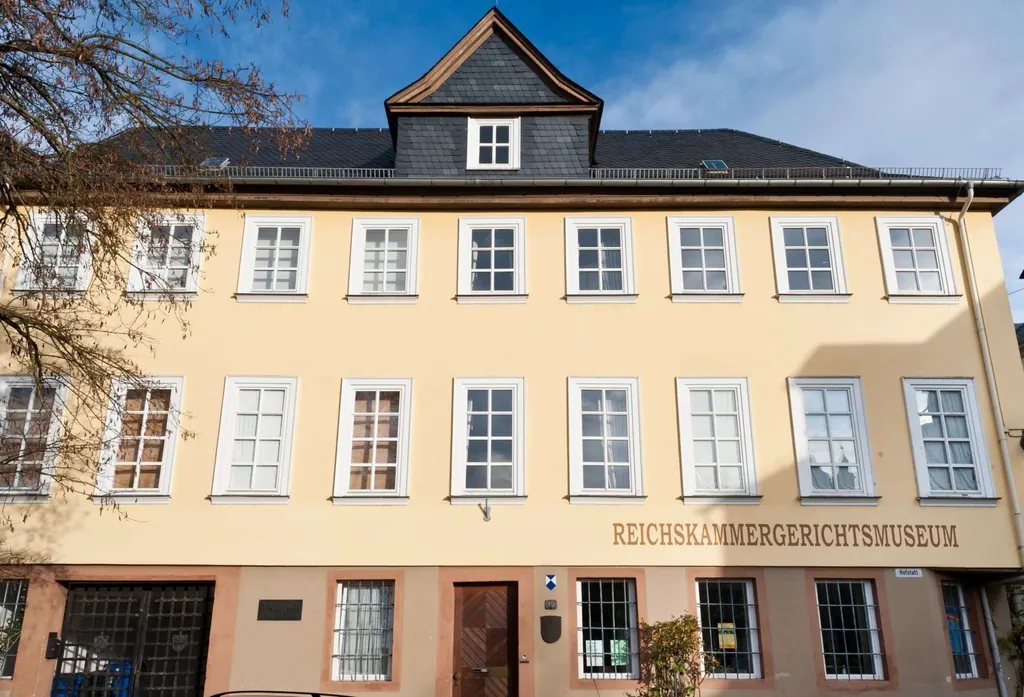
To research and convey the history of this court, the Society for Imperial Chamber Court Research was founded in 1985. As early as 1987 it opened the museum in a three-storey town palace built by Franz von Papius (von Pape), an assessor of the Chamber Court. The entrance is at Hofstatt 19.
The exhibition on the first floor uses paintings, furniture, sculptures, contemporary prints, graphics and texts to explain how the court was organised, how it worked, what obstacles it faced and what effect it had on jurisprudence, society and the interplay of the Empire's institutions. A separate room is used for a film introduction. The exhibition is based on the museum's own holdings and long-term loans.
The society's research centre works in the same building, studying the surviving trial records of the court and the highest jurisdiction in premodern Europe, and regularly holds academic colloquia. The museum is run by the society with the support of the City of Wetzlar.
Highlights
- Town palace of Chamber Court assessor Franz von Papius
- Presentation of the structure and working methods of the Empire's highest court
- Portraits of Chamber Court judges and official robes of judges and lawyers
- Original furniture, sculptures and contemporary printed works
- Introductory film in a dedicated screening room
Permanent exhibition
- Das Reichskammergericht (Dauerausstellung) – Using artworks, furniture, prints and explanatory texts, the exhibition shows how the highest court of the Holy Roman Empire was organised, how it worked and how it affected law and society.
- Founded
- 1987
- Operated by
- Gesellschaft für Reichskammergerichtsforschung e. V.
Admission & discounts
"Pay what you want": visitors decide their own admission price after the visit and pay into the donation box in the entrance area.
Accessibility
- Partially wheelchair accessible
- Elevator: not available
- Accessible restroom
- Accessible parking: no information
- Service dogs welcome: no information
- Tactile models & exhibits: no information
- Sign language tours: no information
- Easy-to-read materials: no information
- Audio description: no information
The exhibition rooms are on the first floor without an elevator. The restrooms on the ground floor can be reached without steps; a larger accessible restroom can be used opposite in the Palais Papius. There are occasional seating options in the exhibition rooms. An audio guide in several languages and an overview text in English are available.
Kids & families
The museum hasn’t published any information on this.
Getting there & parking
By car
Paid parking
Parking at the Avignon-Anlage (fee required).
Amenities & dining
- Café: not available
- Restaurant: not available
No food service in the house.
Events & venue rental
As far as we know, the museum does not rent out spaces for external events.
No rentals.
Plan your visit
| Audio guide | yes |
|---|---|
| Good to know | A film screening room introduces the topic. |