Through November 15, 2026
Zwei x 100 Watt. Über das Miteinander, Freundschaft und die Liebe
Cabinet exhibition by graphic artist and painter Diana Ressel in the Benno-Werth-Saal on trust, vulnerability, cohesion, and separation and reunion.
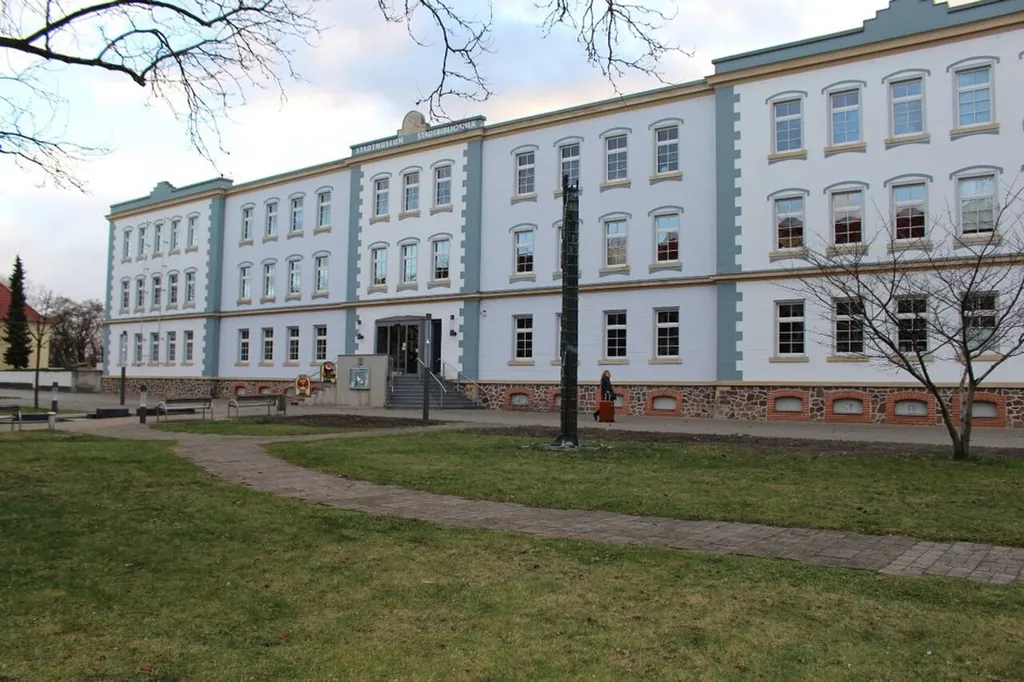
Local history museum in a former artillery barracks in Riesa – from the Stone Age through the monastery and steelworks to the present day, plus Benno Werth.
Through November 15, 2026
Cabinet exhibition by graphic artist and painter Diana Ressel in the Benno-Werth-Saal on trust, vulnerability, cohesion, and separation and reunion.
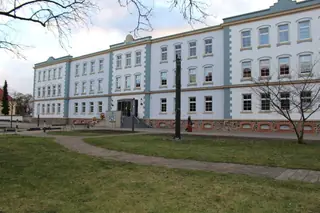
Its beginnings go back to 1921, when citizens of Riesa gathered around the manufacturer and art patron Franz Xaver Hynek to form an association for a local history museum. The teacher and local historian Alfred Mirtschin became museum curator; in the very first years, hundreds of objects came together from the local population. For the 300th anniversary of the town charter, the town made a dormitory of the former artillery barracks on Poppitzer Platz available in 1923 – intended as a temporary solution, the site became the permanent home.
Over several decades, Mirtschin, as a volunteer archaeological heritage officer, built up one of Saxony's most important regional archaeological collections. Gradually the museum was given further rooms in the barracks. In 2006/07 the building complex was thoroughly renovated; since then the town museum and the town library have shared the "Haus am Poppitzer Platz", which is operated by the municipal FVG Riesa.
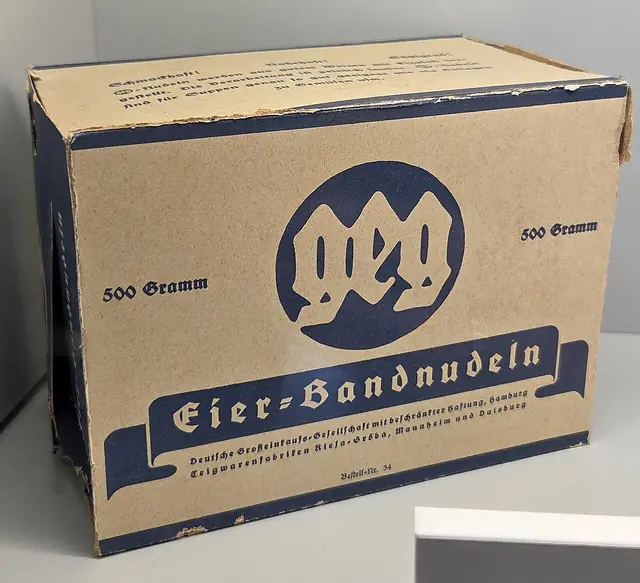
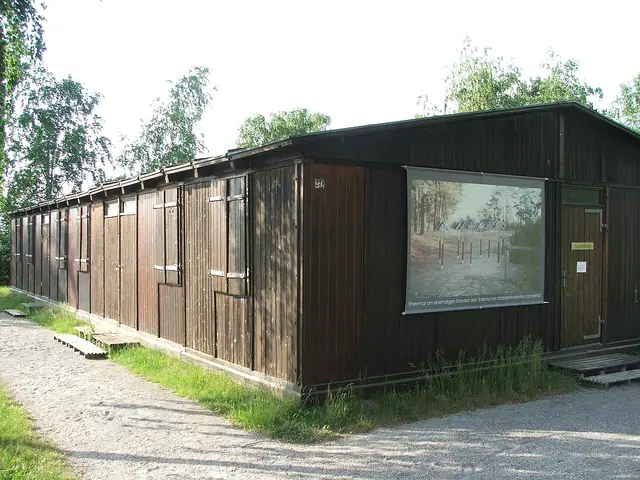
The permanent exhibitions on the two upper floors span the period from the Old Stone Age through the monastery founded in 1119, the later manor estate and match production to industrialisation with the railway bridge and steelworks, as well as the history of the Nazi era, the GDR and the post-reunification period. A separate hall is dedicated to the sculptor Benno Werth, who was born in Riesa, and a historic school classroom invites visitors to lessons as they were around 1900.
| Adults | €4.50 |
|---|---|
| Reduced | €3Pupils and trainees over 16, students, pensioners, members of the museum association, recipients of unemployment benefit II (ALG II), asylum seekers, volunteer service participants, severely disabled people with a degree of disability of 50 or more |
| Children & teens | freefree up to age 16 · Children and young people up to 16 years have free admission. |
| Seniors | €3Pensioners pay the reduced price. |
| Visitors with disabilities | €3From a degree of disability of 50. |
| Students & apprentices | €3 |
| Groups | –Overview tour (1.5 hrs): €60 per group of up to 10 people including admission, each additional person €6. |
| Combined ticket with Riesa Zoo (same day) | €2Surcharge on museum admission. |
Museum education programmes for day care centres and schools €2–2.50 per child.
Exhibition and event rooms are wheelchair accessible; passenger lift via the rear entrance to the ticket desk, hall and special exhibition on the ground floor, and to the permanent exhibitions on the 1st and 2nd floors.
Great for kids & families
| Kids’ admission | free up to age 16 |
|---|
Children up to 16 years have free admission. For day care centres and primary schools there are playful tours, lessons as around 1900 and painting workshops; the film workshop "Geschichtenschnüffler" is aimed at children.
Poppitzer Platz
From the bus station opposite Riesa railway station, take city bus A2 towards Mergendorf to "Poppitzer Platz" (approx. 10 min. ride).
Parking available
Public car parks directly behind the Haus am Poppitzer Platz.
About 35 minutes on foot from Riesa railway station.
Get directionsMuseum café during opening hours with a house coffee roasted specially for it, tea and cold drinks; it is best to pre-order tarts and cakes.
The museum hasn’t published any information on this.
| Guided tours | yes · approx. 1.5 hrs |
|---|---|
| Audio guide | yes (DE, EN) |
| School programs | yes |
| Good to know | Register group tours by telephone or email at least two weeks in advance. In addition to the overview tour, there are demonstration lessons in the historic school classroom (45 min.) as well as monastery and town tours starting from the town hall. An audio guide is available via the app or website of museum.de. |