Steglitz-Museum
Local history museum of the Heimatverein Steglitz in a villa in Lichterfelde on the history of Steglitz, Lankwitz, Lichterfelde, and Südende.
About the museum
The Heimatverein Steglitz (local history society) was founded in 1923, shortly after the formerly independent rural municipality of Steglitz – then known as the largest village in Prussia – was incorporated into Greater Berlin. The first chairman was Karl Buhrow, the last mayor of the independent Steglitz. The first statutes already provided for collecting objects and writings on local history and presenting them through tours, lectures, and exhibitions; a local museum of its own, however, opened only in 1984. Since 2004 it has been called Steglitz-Museum.
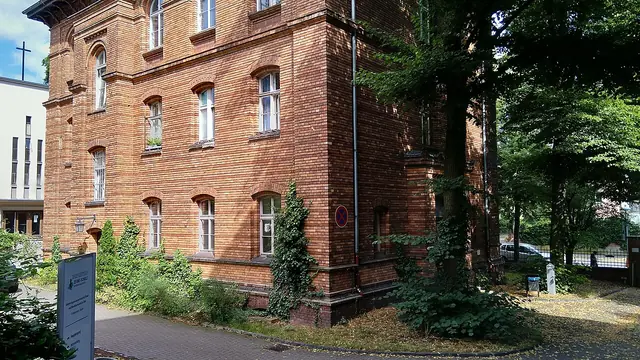
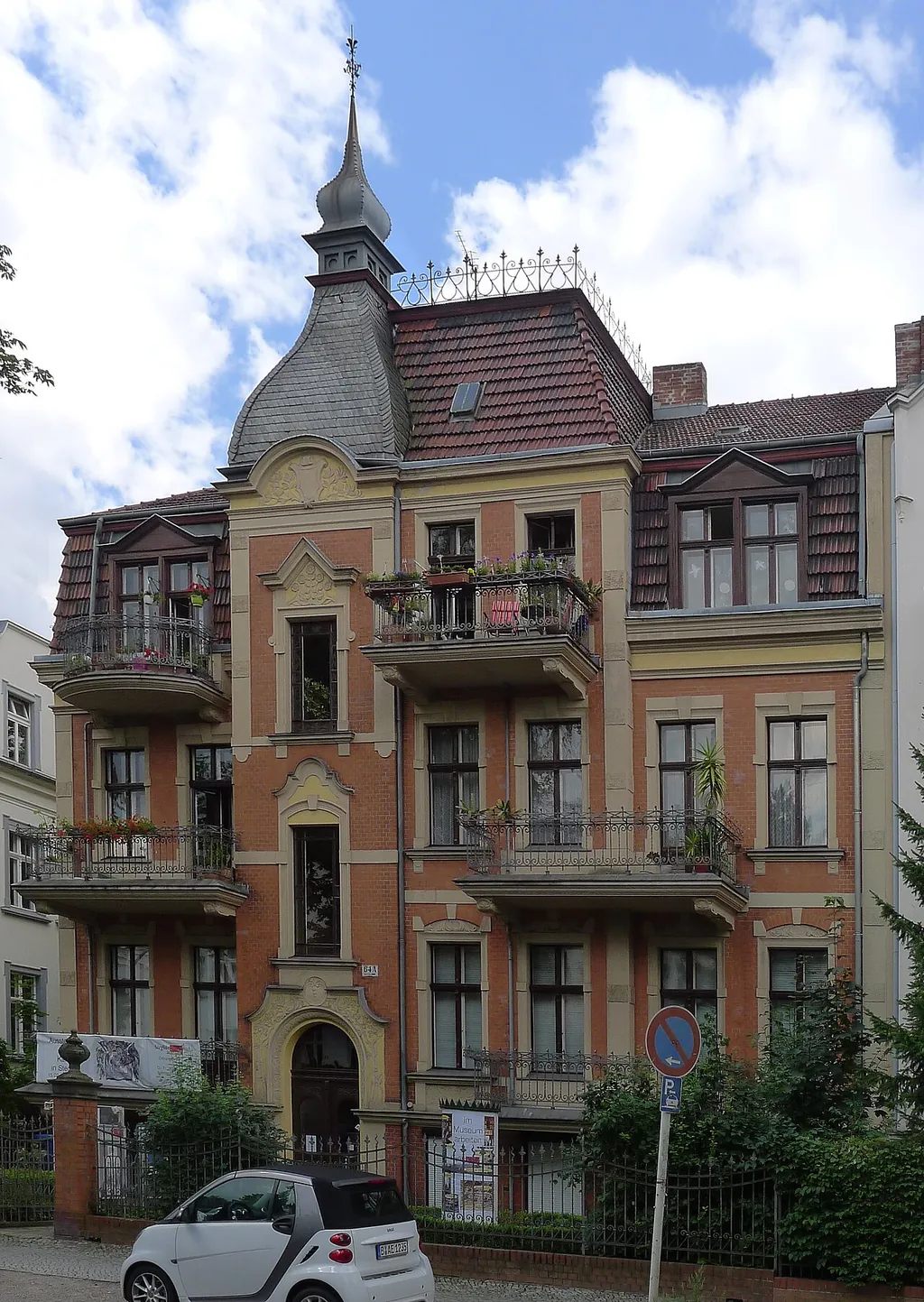
The museum is housed in a listed villa from around 1900 on Drakestraße, one of the oldest streets in Lichterfelde. The permanent exhibition tells of the districts of Steglitz, Lankwitz, Lichterfelde, and Südende, of the Wandervogel movement that arose in Steglitz in 1901, of the world's first electric tram in Lichterfelde, and of personalities such as Otto and Gustav Lilienthal. Changing exhibitions take up urban development and contemporary history.
The museum is run entirely on a volunteer basis: around 30 volunteers look after visitors, the archive, and the library. The holdings include a lending library on district history, historic address and telephone directories, postcards, photos and aerial images, and a map collection; large parts of the archive can be searched online. After renovation and modernization work, the museum is currently open only one afternoon per week.
Highlights
- History of the districts of Steglitz, Lankwitz, Lichterfelde, and Südende
- Wandervogel movement, founded in Steglitz in 1901
- The world's first electric tram in Lichterfelde
- Traces of Otto and Gustav Lilienthal
- Archive with historic postcards, photos, maps, and address directories
Permanent exhibitions
- Ständige Ausstellung zur Ortsgeschichte – The exhibition leads through the history of Steglitz, Lankwitz, Lichterfelde, and Südende – with the Wandervogel movement, the first electric tram, and the Lilienthal brothers.
- Founded
- 1984
- Operated by
- Heimatverein Steglitz e. V.
Admission & discounts
Admission is free.
Free admission.
Accessibility
The museum hasn’t published any information on this – please ask the museum directly.
Kids & families
The museum hasn’t published any information on this – please ask the museum directly.
Getting there & parking
By public transit
S Lichterfelde West
S1 to Lichterfelde West; bus M11 to Holbeinstraße.
Amenities & dining
- Café
- Restaurant: not available
- Museum shop
- Wi-Fi
Museum café in the exhibition rooms with cake, coffee, and tea from organic cultivation. Museum shop with books and booklets on local history, postcards, and art prints (currently being redesigned). Library and archive.
Events & venue rental
- Spaces for rent
- Private parties
- Corporate events
Up to 60 guests.
Individual rooms or the whole museum can be rented: hall with up to 60 seats in rows of chairs (30 at tables for dining, 20 workstations), four workrooms with 8 seats each, kitchen, library; projector, sound equipment, and Wi-Fi available. For non-commercial use and private celebrations from about €100; buffet or catering possible.
Inquiries & detailsPlan your visit
| Guided tours | yes |
|---|---|
| School programs | yes |
| Good to know | City history tours, readings, and lectures in the event program. For school classes, project days and workshops on research in the archive and library by individual arrangement. |