Abbazia di Farfa
Benedictine abbey in the Sabina, a national monument, visitable with a guide: Renaissance basilica, cloister, refectory and rooms with the panels by Luzzati.
Have only individual sections read aloud
About the museum
According to tradition, the abbey of Farfa was founded towards the end of the 6th century by Saint Lawrence the Syrian, who came from Syria to preach in the Sabina. After his death the monastery was devastated and abandoned because of the arrival of the Lombards. The revival began in 680, under the protection of Duke Faroald II of Spoleto, thanks to Saint Thomas of Maurienne, who restored the site and led it for forty years.
In the 8th century Farfa became a leading economic and political centre: Charlemagne placed it under his protection, granting it immunity, and in the 9th century, as an imperial abbey, it owned vast territories in much of central Italy. Saracen incursions forced the monks to leave the monastery in 898. They returned after the defeat of the Saracens at the Garigliano in 915, and the reconstruction was entrusted to Abbot Ratfredo. In the following centuries the monastery experienced new periods of splendour and decline.
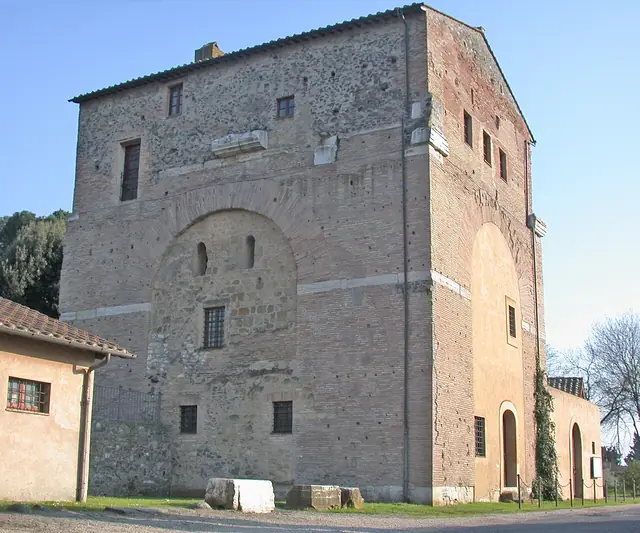
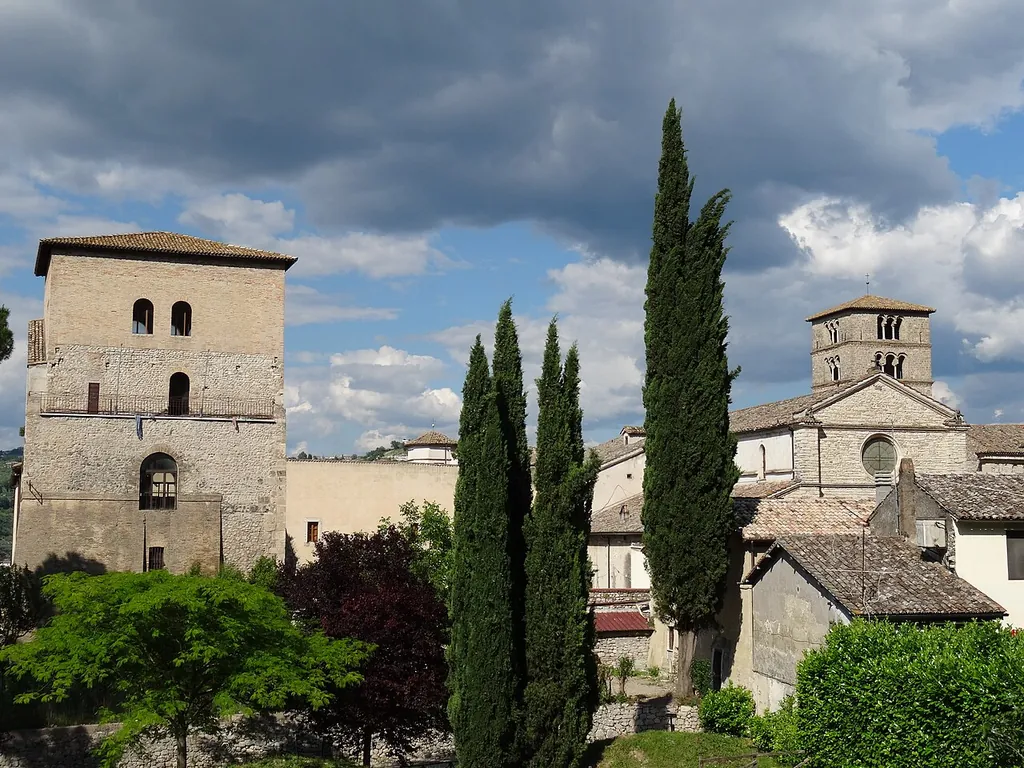
The present complex retains medieval elements, such as the remains of the square choir and the bell tower of the ancient church, alongside the Renaissance basilica and the cloister built in the second half of the 16th century by Cardinal Alessandro Farnese. Today the abbey is the seat of a Benedictine community and a national monument, and it houses the Biblioteca statale (state library) with the medieval manuscripts that remained at the abbey. The Chronicon Farfense by Gregory of Catino is told in pictures in the visiting rooms.
Highlights
- Renaissance basilica with paintings by the Zuccari brothers, Orazio Gentileschi and Hendrik van der Broek
- Ancient refectory with frescoes by Vincenzo Manenti and chapter hall
- Renaissance cloister commissioned by Cardinal Alessandro Farnese
- Lombard little cloister and remains of the square choir of the ancient church
- Rooms with the pictorial transcription of the Chronicon Farfense, by Emanuele Luzzati
- Medieval village of Farfa
- Operated by
- Comunità benedettina dell'Abbazia di Farfa
- Visitors per year
- approx. 21,000
Admission & discounts
| Adults | €6.50 |
|---|---|
| Children & teens | €5free up to age 6 · Free from 0 to 6 years; €5 from 7 to 12 years. |
| Groups | €6 per personRate for tour operators, agencies and associations; parishes €5.50, schools €5. |
| Guided visit of the village | €2.50Per person |
Individual ticket for the guided visit: €6.50 per person. For groups, the cost is given in the booking confirmation email.
Accessibility
The museum hasn’t published any information on this.
Kids & families
| Kids’ admission | free up to age 6 |
|---|
For schools there are workshops on medieval writing and botany in the monastery garden.
Getting there & parking
By public transit
The abbey’s website refers to the timetables of Cotral (buses) and Trenitalia.
By car
Parking available
The large external car park outside the village is recommended.
By car from Rome: via Salaria, Passo Corese, via Farense, Strada degli Inglesi. From Rieti: via Salaria, Toffia junction. From the Autostrada del Sole, exit Roma Nord or Fiano Romano, then via Salaria. For the satnav, the abbey suggests the address “Fara in Sabina, Via di Porta Montopoli”.
Get directionsAmenities & dining
- Café
- Museum shop
Café “Taverna del monaco” and herbal shop with monastic products, religious articles and publications on the abbey.
Events & venue rental
The museum hasn’t published any information on this.
Plan your visit
| Guided tours | yes |
|---|---|
| School programs | yes |
| Good to know | The visit is possible only with abbey staff. Individual visitors and groups of fewer than 10 people do not need a booking; organised groups, schools, parishes and tour operators must book via the form on the website. For schools there are workshops on medieval writing and botany. Due to renovation works, the Biblioteca statale is currently not accessible. |