Museo dell'Antico Palazzo dei Vescovi
Museum in the former residence of the bishops of Pistoia, next to the cathedral, with art from the Etruscan period to the nineteenth century and an underground archaeological route.
Have only individual sections read aloud
About the museum
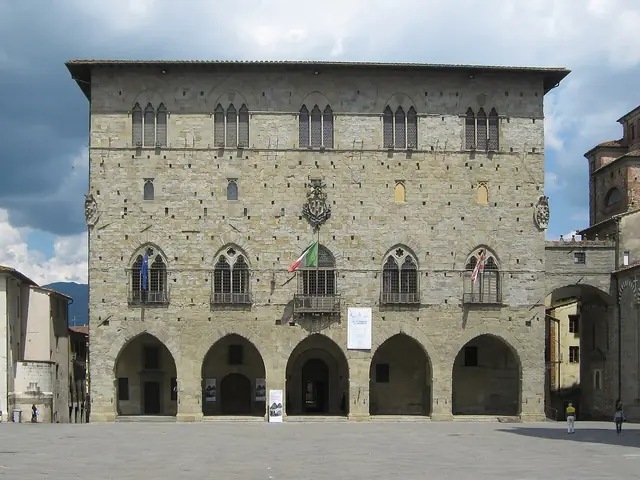
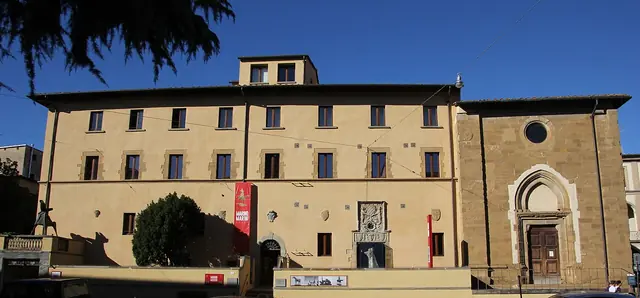
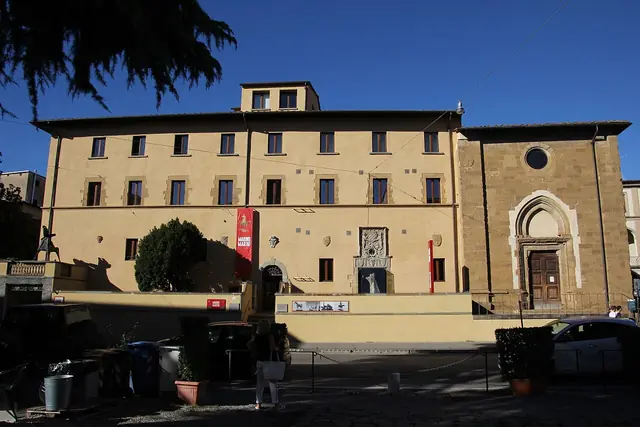
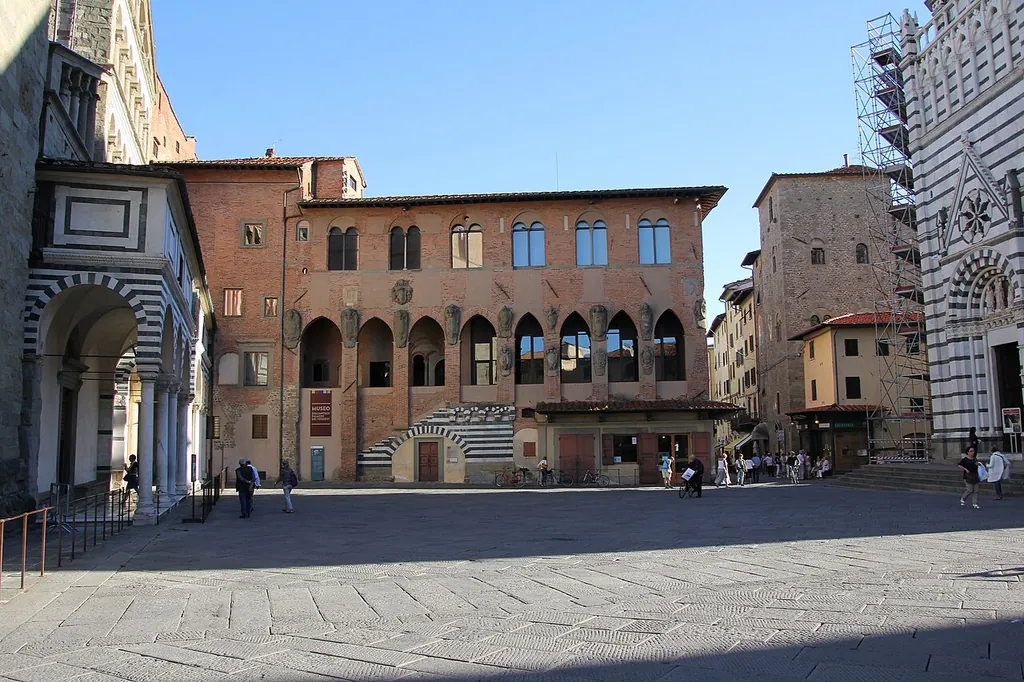
The Antico Palazzo dei Vescovi stands beside the cathedral of San Zeno in the heart of Pistoia and is documented from 1091. For centuries it was the seat of the bishop's power in the city and followed its changing fortunes, with extensions and transformations over time.
Today the building houses a museum run by Pistoia Musei, with collections of ancient, medieval and modern art. The route passes through particularly fine spaces, such as the sacristy of San Jacopo, mentioned by Dante in the Inferno, the chapel of San Nicola and the sopraportico of the cathedral, which overlooks the Baptistery and the Piazza del Duomo.
Among the most significant works are the millefleurs tapestry known as “dell'Adorazione”, a wooden angel holding the head of Saint John the Baptist attributed to Giovanni Pisano, the cycle of tempera murals by Giovanni Boldini and the collection of seventeenth-century Florentine paintings that belonged to Piero and Elena Bigongiari. Underground, an archaeological area tells the story of the site from the first Roman settlement to the Middle Ages. Panels, maps and QR codes provide more detail, and the multimedia project “Pistoia Moving Stories” offers 3D reconstructions, animations and augmented reality.
Highlights
- Millefleurs tapestry known as “dell'Adorazione”
- Wooden angel attributed to Giovanni Pisano
- Cycle of tempera murals by Giovanni Boldini
- Seventeenth-century Florentine paintings from the Bigongiari collection
- Underground archaeological route
- Sacristy of San Jacopo, chapel of San Nicola and the cathedral's sopraportico
Permanent exhibitions
- Collezioni dell'Antico Palazzo dei Vescovi – Route from Etruscan art to the nineteenth century, with the millefleurs tapestry, wooden angel attributed to Giovanni Pisano, tempera murals by Boldini and seventeenth-century Florentine paintings.
- Percorso archeologico – Underground archaeological area that traces the history of the site from the first Roman settlement to the Middle Ages.
- Founded
- 1984
- Operated by
- Pistoia Musei
- Visitors per year
- approx. 11,761
Admission & discounts
The museum hasn’t published any information on this.
Accessibility
- Partially wheelchair accessible
- Elevator
- Accessible restroom: no information
- Accessible parking: no information
- Service dogs welcome: no information
- Tactile models & exhibits: no information
- Sign language tours: no information
- Easy-to-read materials: no information
- Audio description: no information
The museum has ramps and lifts and is accessible by wheelchair; a wheelchair is available for visitors. Some rooms (the sopraportico and rooms 2, 5 and 8 of the archaeological area) are not accessible to wheelchair users. Panels and captions are in Italian and English.
Kids & families
- Baby changing facilities
Getting there & parking
The museum hasn’t published any information on this.
Amenities & dining
- Museum shop
- Coat check
- Lockers
Free cloakroom and lockers at the entrance; bookshop with publications, articles and gadgets. Bags, backpacks, umbrellas, suitcases or dangerous objects may not be taken into the rooms.
Events & venue rental
- Spaces for rent
- Private parties
Private visits and events can also be arranged outside opening hours, with the option of an aperitif or dinner.
Plan your visit
| Guided tours | yes |
|---|---|
| Good to know | Guided tours for groups, with their own guide or a booked one. The activities “Sotto la terra” and “La storia del mondo in quattro oggetti” are also offered, Wednesday to Sunday from 10:00. |