Castello di Sperlinga
Medieval castle carved into sandstone above the caves of Sperlinga, in the province of Enna: famous for the resistance of the Angevins during the Sicilian Vespers.
Have only individual sections read aloud
About the museum
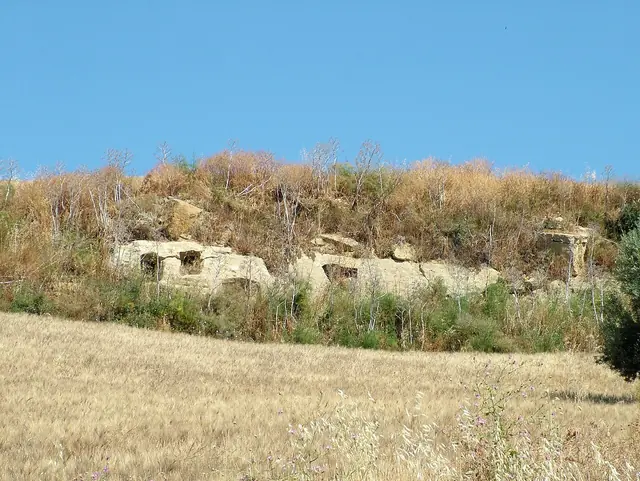
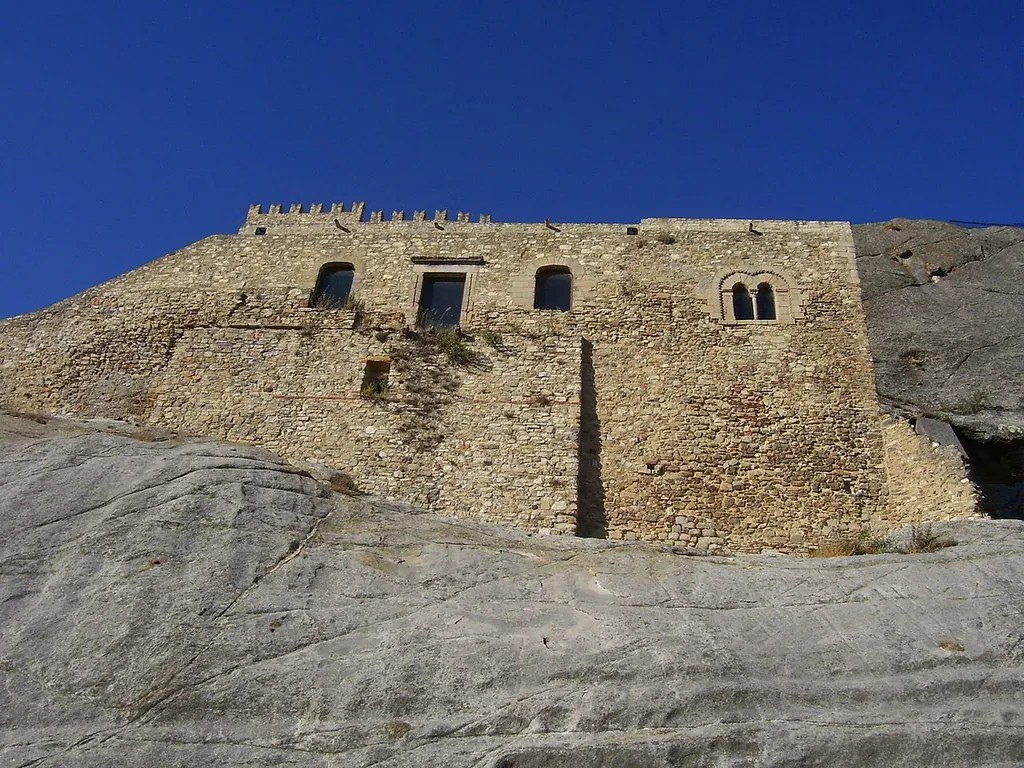
The castle of Sperlinga dominates the village from the top of a sandstone crag, in which the base and many rooms are hollowed out. The name derives from the Greek spelaion, later Latinised as spelunca, meaning cave: the cavities in the rock were used in very ancient times by the Sicel peoples as tombs.
The construction of the castle is traced to between the late 11th and the early 12th century, in the Norman period; the first documents on the village and the castle date from 1080. In 1283, during the War of the Sicilian Vespers, Angevin soldiers led by Pietro de Lemanno took refuge there and resisted the siege by the Aragonese for almost a year. When the war ended, in 1324 the castle was assigned to the Ventimiglia family, who held it for more than two centuries.
In 1597 it was bought by Giovanni Forti Natoli; in 1626 King Philip IV raised the barony to a principality in favour of his descendants. Today the complex, carved into the rock and rich in rooms, can be visited and is one of the symbolic places of the village of Sperlinga.
Highlights
- Castle carved from a single block of sandstone
- Rock-cut rooms and the caves beneath
- Angevin resistance during the Sicilian Vespers (1283)
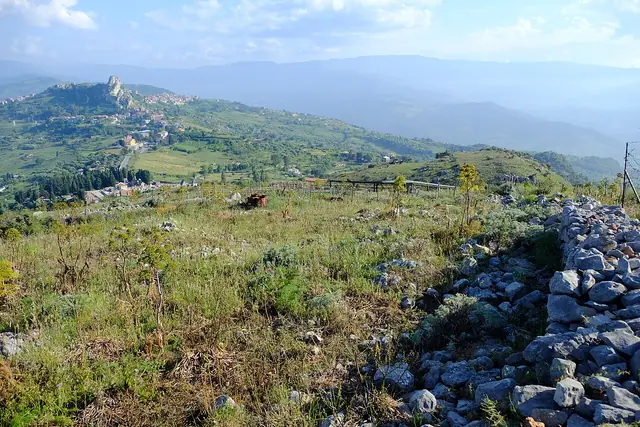
- View over the village and the landscape of the Enna area
Admission & discounts
| Adults | €3 |
|---|
Single ticket of €3 according to the regional guide consulted.
Accessibility
The museum hasn’t published any information on this.
Kids & families
The museum hasn’t published any information on this.
Getting there & parking
The museum hasn’t published any information on this.
Amenities & dining
The museum hasn’t published any information on this.
Events & venue rental
The museum hasn’t published any information on this.
Plan your visit
| Guided tours | yes |
|---|---|
| Good to know | Among the services listed in the regional guide are guided tours; groups may book. |