Insediamento fenicio-punico di Pani Loriga
Archaeological area in Santadi with the fortified Phoenician-Punic settlement of Pani Loriga and its necropolises, open for visits with a guided tour.
Have only individual sections read aloud
About the museum
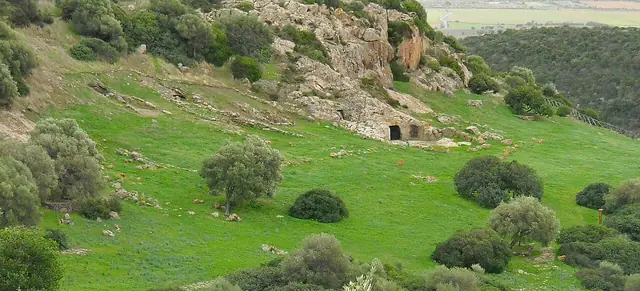
The site stands on a hill of Palaeozoic tuff along the Riu Mannu, in a position that controlled two ancient routes linking eastern Sulcis with the Cixerri valley and the Campidano of Cagliari. Traces of human presence on the hill go back to the pre-Nuragic period, including a necropolis of domus de janas (rock-cut tombs), and life there continued without a break into the Punic era.
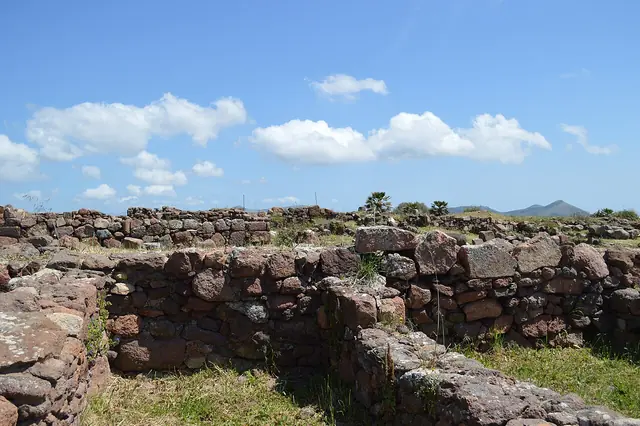
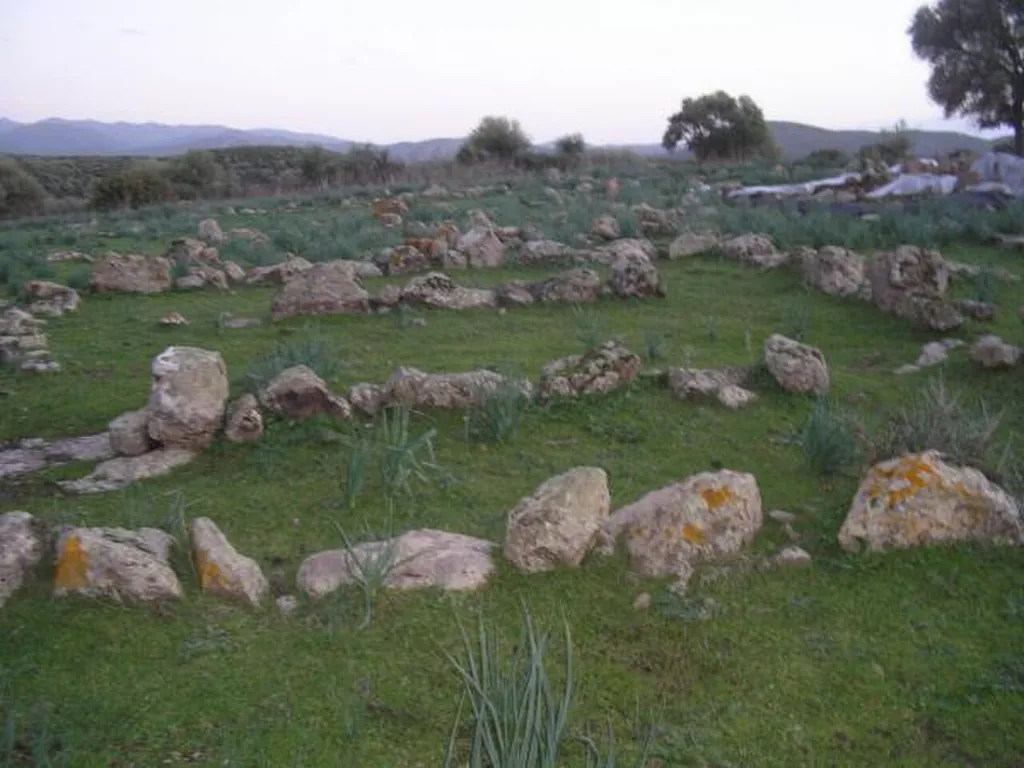
The Phoenician settlement was founded between the second half and the end of the 7th century BC, as the pottery found on the acropolis shows, probably to guard the territory and exploit the resources of the Sulcis hinterland. The acropolis occupied the western side of the hill and was defended by a double wall of large blocks, which incorporates the Nuraghe Diana; rooms built against the eastern slope reinforced the defence. Inside the walls, buildings of a residential quarter dating to the 3rd century BC can still be recognised.
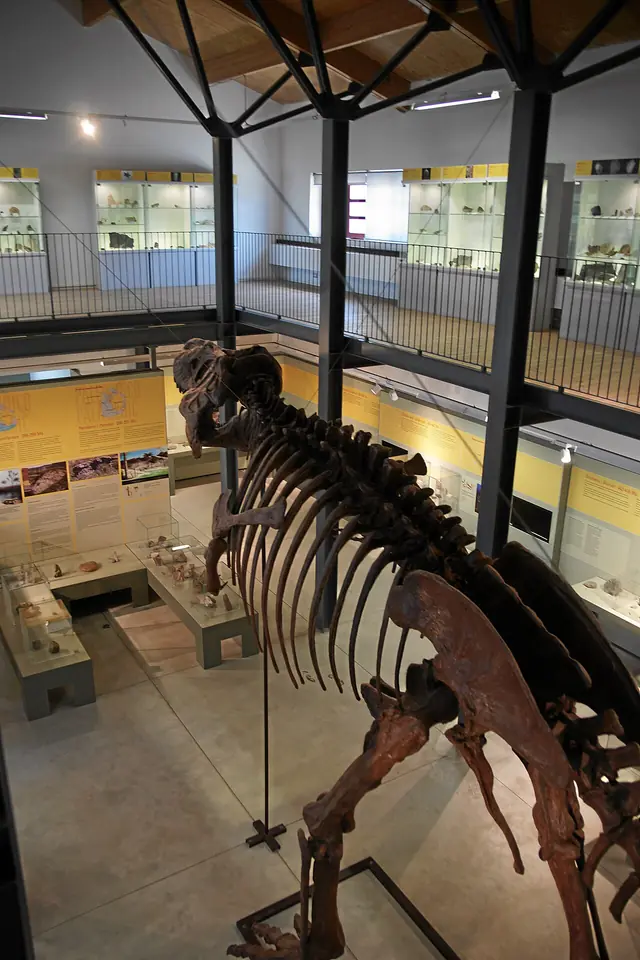
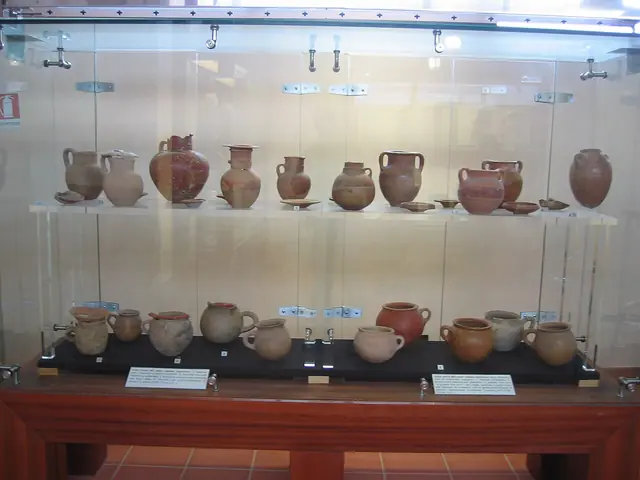
The burials are spread across two necropolises: the Phoenician one, with about 150 cremation tombs dating to the 6th century BC, and the Punic one, with hypogeum tombs cut into the rock, partly carved out of pre-existing domus de janas, dating to the 5th and 4th centuries BC. East of the acropolis lies a place of worship that could be a tophet. The site was identified in 1965 by Ferruccio Barreca and takes its name from the two owners of the land. Excavation campaigns carried out between 1968 and 1974 by Giovanni Tore and Enrico Atzeni uncovered the acropolis and the two necropolises. The finds are displayed in the Museo civico archeologico di Santadi.
Highlights
- Fortified Phoenician-Punic settlement with a double wall
- Nuraghe Diana incorporated into the walls
- Phoenician cremation necropolis and Punic hypogeum tombs
- Domus de janas reused in the Punic period
- Visits always accompanied by a guide
- Operated by
- Sémata Soc. Coop. (gestione dei servizi)
- Visitors per year
- approx. 1,035
Admission & discounts
| Adults | €5 |
|---|---|
| Children & teens | €3free up to age 5 · Rate for children under 14 and for school groups. |
| Visitors with disabilities | freecompanion free · Free admission for people with disabilities and one companion. |
| Groups (20+ people) | €4 per personRate for groups of more than 20 people. |
| Combined ticket for the Museo civico archeologico, the Museo etnografico “Sa Domu antiga” and Pani Loriga | €7Under 14s and school groups €4; groups of more than 20 people €5. |
| Combined ticket for the Museo civico archeologico and the Museo etnografico “Sa Domu antiga” | €5Under 14s and school groups €3; groups of more than 20 people €4. |
Tickets include the escort and the guided tour. Admission is also free for the driver and group leader of tour groups, employees of the Ministry of Culture, and journalists with a valid press card.
Accessibility
The museum hasn’t published any information on this.
Kids & families
The museum hasn’t published any information on this.
Getting there & parking
The area is about 2 km from the village of Santadi. Coming from the SS 130 at Siliqua, continue on the SS 293 towards Nuxis, pass through the village and head down towards Santadi. At km 62 turn onto a local country road, which leads in about 1.5 km to the entrance to the area.
Get directionsAmenities & dining
The museum hasn’t published any information on this.
Events & venue rental
The museum hasn’t published any information on this.
Plan your visit
| Guided tours | yes · approx. 2 hrs |
|---|---|
| Good to know | The visit is guided and lasts about two hours. Bookings are made using the online form on the museum's website; the services are managed by the cooperative Sémata. |