Museo archeologico nazionale della Basilicata “Dinu Adamesteanu”
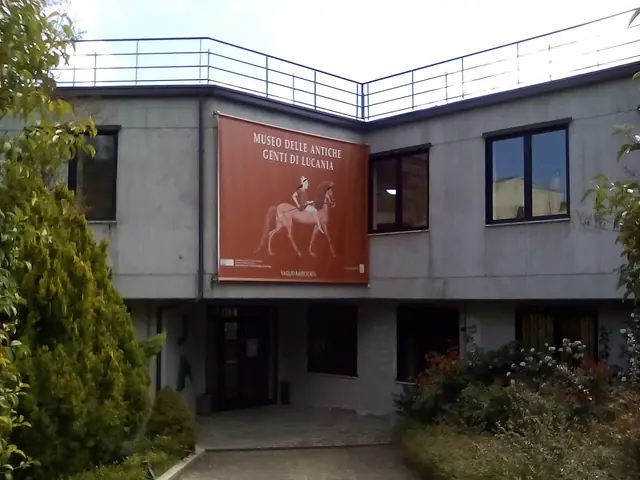
State archaeological museum in Potenza, in the 16th-century Palazzo Loffredo, with a chronological and territorial overview of ancient Basilicata and the grave goods of Vaglio.
Have only individual sections read aloud
About the museum
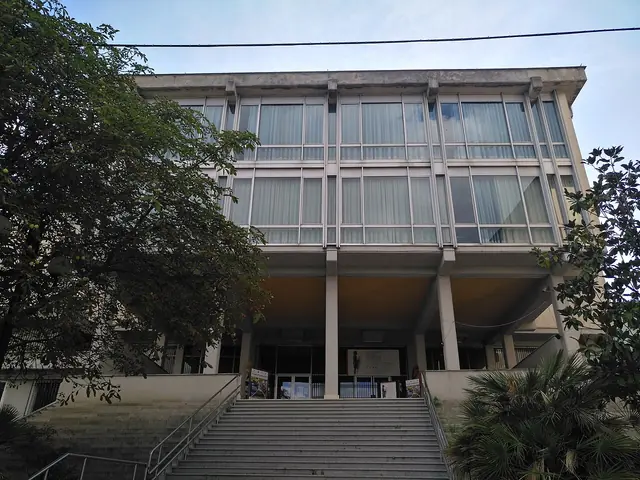
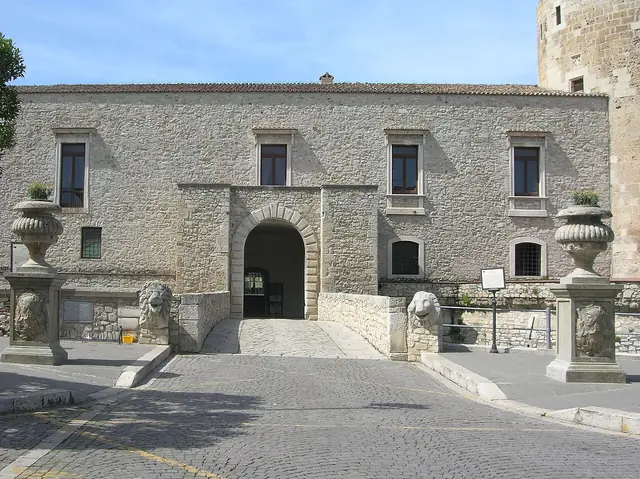
The museum is housed in the Palazzo Loffredo in Potenza, built by the Guevara family, feudal lords of the town, between the late 15th and early 16th centuries, and passed to the Loffredo family in 1604. In the 19th century it housed offices of the Intendenza of Basilicata; in 1825 it became the seat of the Real Collegio, run by the Jesuits between 1850 and 1860; and after unification it was the seat of a high school and of the Conservatorio “Gesualdo da Venosa”. The building, owned by the municipality, has been granted for use to the Archaeological Heritage Authority (Soprintendenza archeologica) to set up the national museum, named after Dinu Adamesteanu.
The route is spread over two floors, arranged by chronology and territory, and offers the archaeological picture of the whole region, from the phase before Greek colonisation up to the Roman conquest, with a focus on the territory of Potenza. Particular attention is paid to the finds from Vaglio, which yielded rich grave goods from the late 6th and mid-5th centuries BC. The armour from the graves of warriors and the jewellery from the women's graves point to an elite, perhaps the kings (basileis) of the “North Lucanian” peoples.
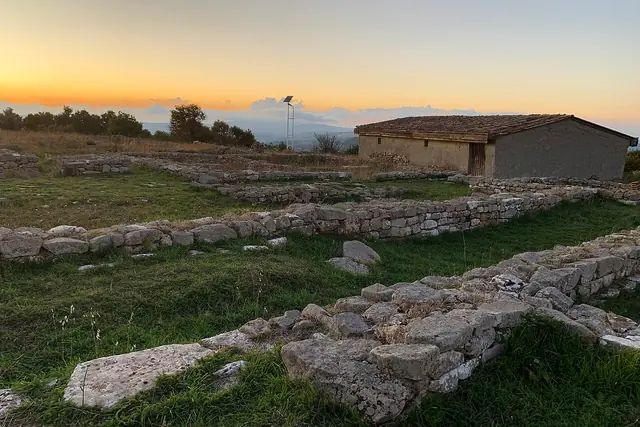
The most significant evidence of the Lucanian presence in the 4th century BC comes from the sanctuary of Rossano di Vaglio, with embossed plaques, fragments of bronze statues, gold and silver jewellery, and marble and terracotta statuettes, displayed in an evocative setting.
Highlights
- Grave goods of warriors and women from the Vaglio tombs
- Votive offerings from the Lucanian sanctuary of Rossano di Vaglio
- Chronological and territorial route over two floors
- Housed in the 16th-century Palazzo Loffredo
- Focus on the territory of Potenza
Permanent exhibition
- Percorso archeologico della Basilicata – Over two floors, from the pre-Greek phase to the Roman conquest, with the Vaglio grave goods and the votive offerings of Rossano di Vaglio.
- Operated by
- Direzione regionale Musei nazionali Basilicata (Ministero della Cultura)
- Visitors per year
- approx. 8,625
Admission & discounts
| Adults | €5 |
|---|---|
| Reduced | €2 |
| Combined ticket for the Museo archeologico di Potenza and the Museo archeologico di Muro Lucano | €8Valid for a single visit to each museum. |
Free admission: First Sunday of the month: free admission.
Since 1 April 2025 the rates are €5 (single ticket) and €2 (reduced). The ordinary ticket applies for admission, except for reductions and free admissions provided for by law. On special evenings (European Night of Museums) a symbolic ticket of €1 has been indicated.
Accessibility
The museum hasn’t published any information on this.
Kids & families
The museum hasn’t published any information on this.
Getting there & parking
The museum hasn’t published any information on this.
Amenities & dining
The museum hasn’t published any information on this.
Events & venue rental
The museum hasn’t published any information on this.
Plan your visit
| Guided tours | yes |
|---|---|
| Good to know | Among the services listed by the Ministry: guided tours, library, restoration workshop, educational room, conference hall, guides and catalogues. |