Museo dei Marmi (MuMar) – Polo Museale di Soriano Calabro
Museum complex in the Dominican convent of Soriano Calabro, with the Museo dei Marmi, ceramics, a picture gallery and the Museo del Terremoto.
Have only individual sections read aloud
About the museum
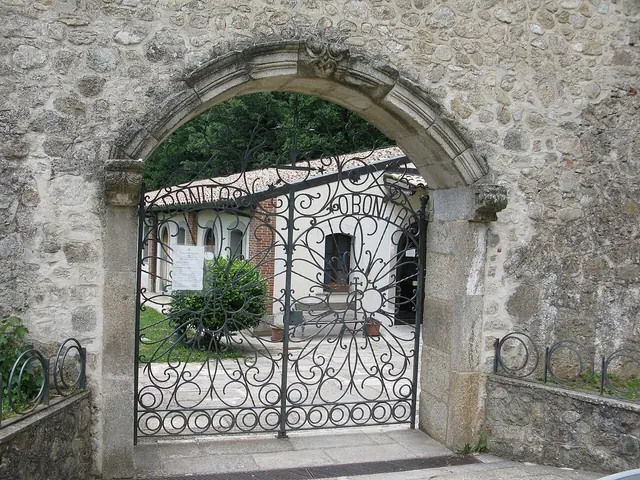
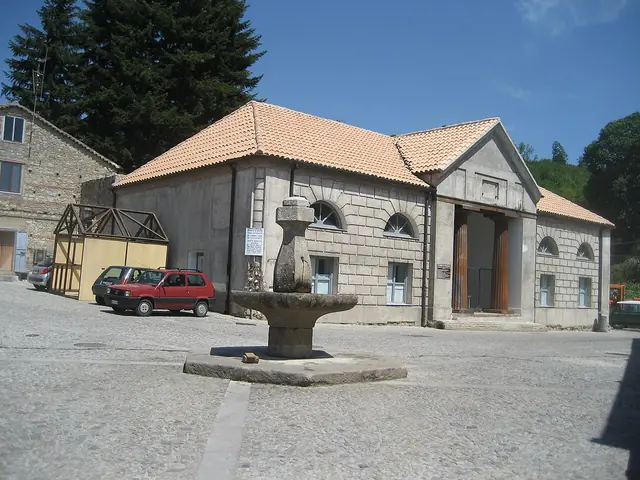
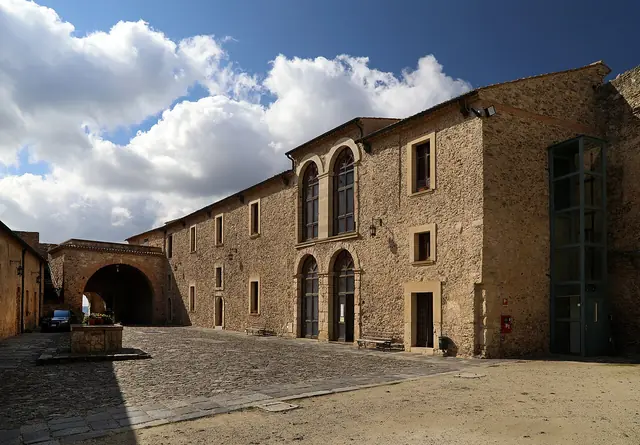
The Polo Museale di Soriano Calabro occupies the remains of the great Dominican convent of San Domenico, founded in 1510 by Fra Vincenzo da Catanzaro. In the 17th century the complex became one of the richest and most famous of the order in Europe, a centre of study and culture that hosted Emperor Charles V in 1535 and, later, Tommaso Campanella; it was celebrated for the miraculous effigy of Saint Dominic.
The convent was almost entirely destroyed by the earthquake of 1659 and rebuilt to a design by the Carthusian architect Bonaventura Presti, but the earthquake of 1783 caused a new and final collapse and abandonment. The idea of a museum complex telling this story of destruction and rebirth arose from the ruins of the cloisters and the old church.
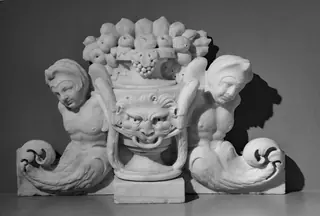
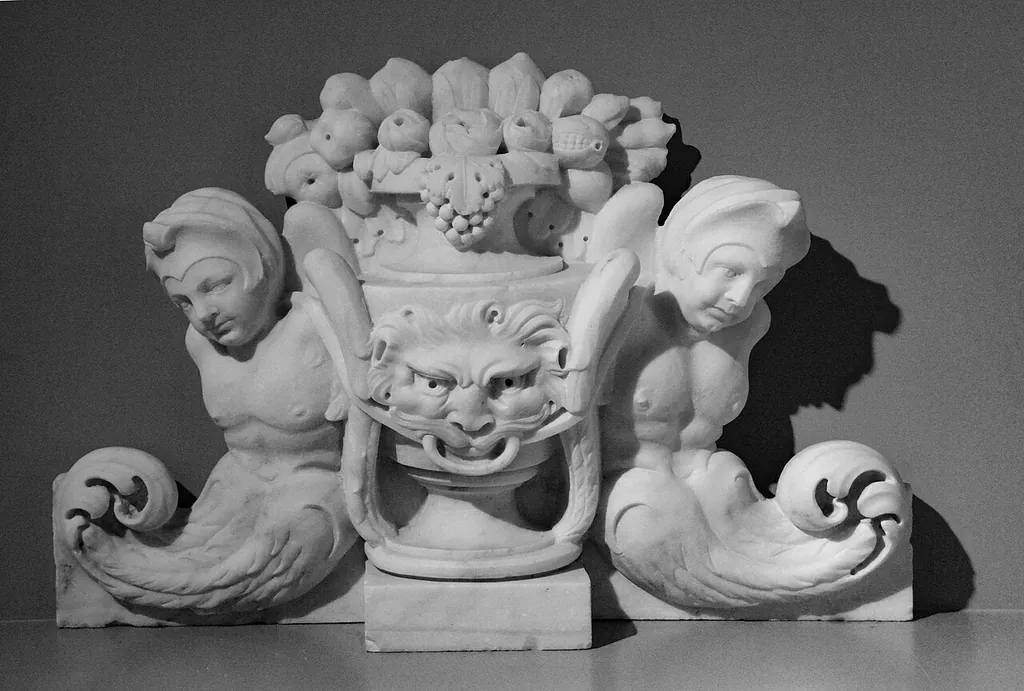
The MuMar, the Museo dei Marmi, is set in the area of the former refectory and kitchen, in one of the cloisters, and brings together the marble works that survived the 1783 earthquake and once decorated the old church; among them stands out the Head of Saint Catherine of Siena in Carrara marble, attributed to Gian Lorenzo Bernini. The complex also includes the ceramics museum, with finds from the Middle Ages to the present day from the Vibo Valentia area, a picture gallery with paintings from the convent, and the MuTerr, the Museo del Terremoto, of about 2,000 square metres.
Highlights
- Head of Saint Catherine of Siena in marble, attributed to Bernini
- Surviving marbles from the Dominican church
- Ceramics museum of the Vibo Valentia area
- Picture gallery with paintings from the convent
- MuTerr, the Museo del Terremoto
- Ruins of the cloisters of the convent of San Domenico
Permanent exhibitions
- MuMar – Museo dei Marmi – Marble survivors of the 1783 earthquake from the old Dominican church, displayed in the former refectory.
- Museo della ceramica – Ceramic finds from the Vibo Valentia area, from the Middle Ages to the present day.
- Pinacoteca – Paintings mainly from the destroyed convent of San Domenico.
- Operated by
- Comune di Soriano Calabro
Admission & discounts
| Adults | €5 |
|---|---|
| Reduced | €3groups of more than 15 people, visitors aged 6 to 14, students with a teacher on a booked guided visit, members of heritage protection associations |
| Children & teens | freefree up to age 5 · Free admission under 6; reduced rate from 6 to 14. |
| Visitors with disabilities | freecompanion free · Free admission for people with disabilities and their companions. |
| Groups (16+ people) | €3 per personReduced rate for groups of more than 15 people. |
| Admission + guided tour (school package, groups of more than 15 people) | €7 |
| Admission + guided tour + educational workshop (school package) | €11 |
Free admission also for accompanying teachers, tourist guides, ICOM members, residents of Soriano Calabro, university students of art history and archaeology, and members of ANA. Educational workshops for groups of more than 15 people: €5 per person.
Accessibility
The museum hasn’t published any information on this.
Kids & families
| Kids’ admission | free up to age 5 |
|---|
- Family tours & workshops
The museum complex offers educational workshops and projects for schools.
Getting there & parking
The museum complex is located in the monumental complex of the convent of San Domenico, in Soriano Calabro.
Get directionsAmenities & dining
The museum hasn’t published any information on this.
Events & venue rental
The museum hasn’t published any information on this.
Plan your visit
| Guided tours | yes |
|---|---|
| School programs | yes |
| Good to know | Guided tours and educational workshops for groups and schools are booked through the website of the museum complex; tickets can be bought online. |