Museo e villaggio africano
Museum of African art and culture in the Passionist convent of Basella: 33 sculptures from West and Central Africa, a teaching room and workshops.
Have only individual sections read aloud
About the museum
The museum was founded in 1984 in Calcinate, in the convent of the Passionist Missionaries, under the name Museo d’arte e cultura africana. The first director, Father Fulgenzio Cortesi, displayed ethnographic material collected on missions in Kenya and Tanzania, together with donations from several Lombard families. The two rooms were dedicated to the artistic section and the educational section respectively; in 1989 an open-air African village with typical dwellings from West and East Africa was added.
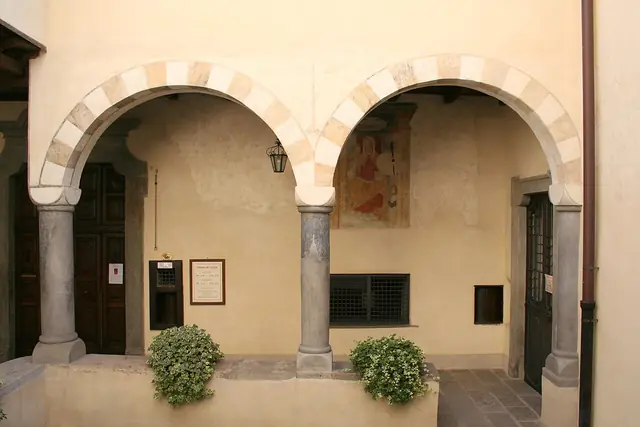
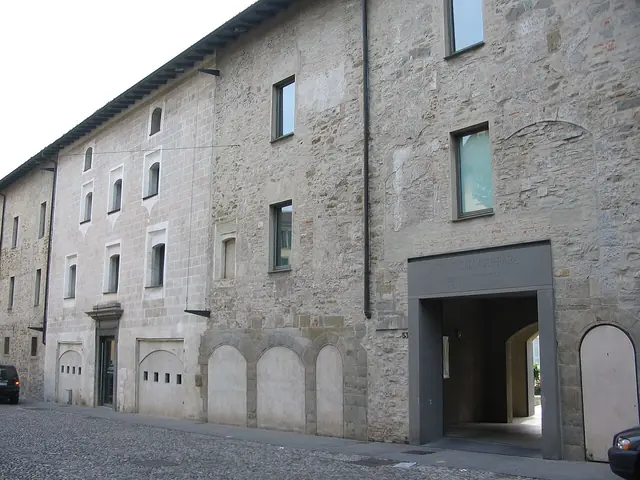
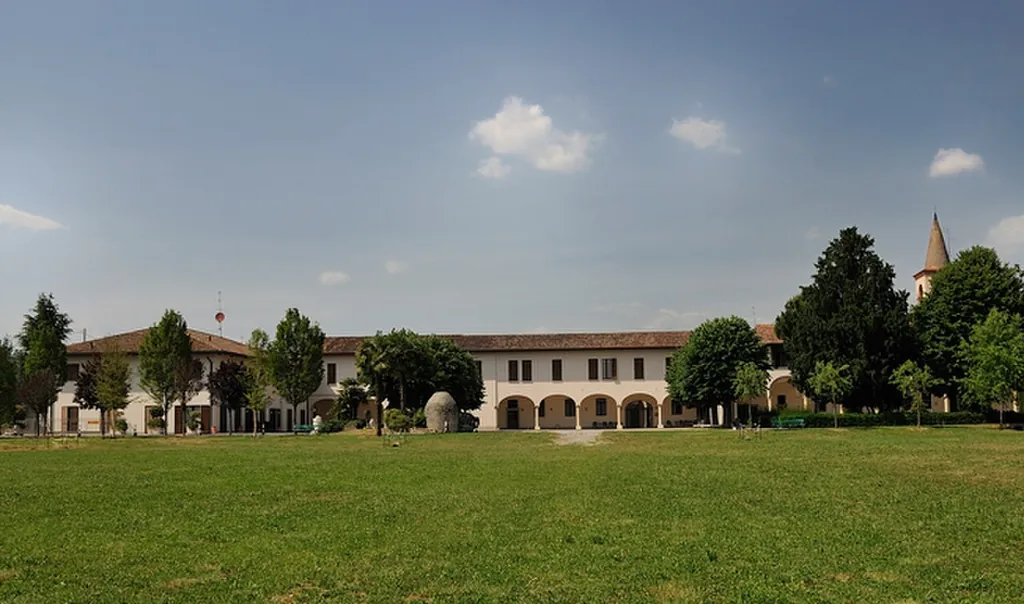
Between 2000 and 2002, the decision to leave the convent in Calcinate led to the move to Basella di Urgnano, to the provincial house of the Passionists, where the museum has been open since autumn 2002. The convent was built around 1460 at the wish of Bartolomeo Colleoni for the Dominican friars and has been inhabited by the Passionists since 1920. The museum lies within the Parco del Serio and has been recognised by the Lombardy Region since 2010.
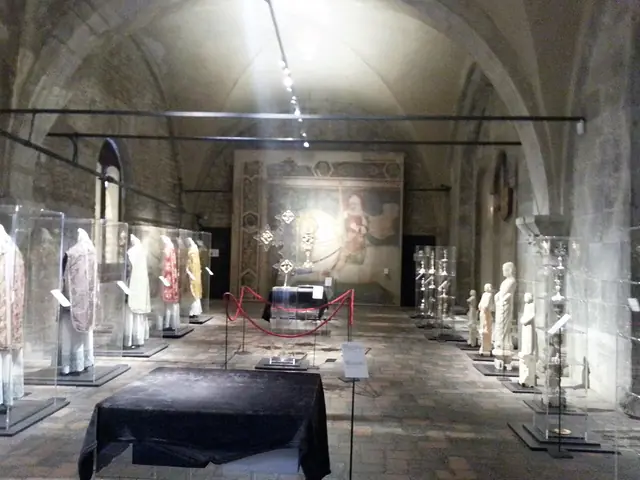
The permanent collection comprises 33 pre-colonial works from West and Central Africa, mostly wooden masks and statues. Alongside the exhibition rooms at the site there are a teaching room for exhibitions on everyday African life, a workshop for making objects with African techniques and a conference hall. The museum’s income supports the Passionists’ missionary work, in particular schools and craft workshops for young people in Kenya and Tanzania.
Highlights
- 33 pre-colonial sculptures from West and Central Africa
- Dogon, Lobi and Baulé statues and masks
- Akan terracotta funerary heads and a carved Babanki pillar
- Teaching room and workshop with African craft techniques
- Site in the 15th-century convent of Basella, in the Parco del Serio
Permanent exhibition
- Collezione permanente di arte africana – 33 pre-colonial masks and statues from West and Central Africa, including Dogon and Lobi sculptures, Baulé figures and Akan terracotta funerary heads.
- Founded
- 1984
- Operated by
- Missionari Passionisti
Admission & discounts
| Adults | €2 |
|---|
Standard ticket €2, according to the Ministry of Culture listing (May 2023); please check current rates, including for groups and schools.
Accessibility
- Wheelchair accessible: no information
- Elevator: no information
- Accessible restroom: no information
- Accessible parking: no information
- Service dogs welcome: no information
- Tactile models & exhibits: no information
- Sign language tours: no information
- Easy-to-read materials: no information
- Audio description: no information
Some tourist guides indicate access for people with disabilities; please ask the museum to confirm.
Kids & families
- Family tours & workshops
- Hands-on stations
Making workshop for children and families with fabrics, glue and coloured sand, according to regional tourist guides.
Getting there & parking
The museum hasn’t published any information on this.
Amenities & dining
- Café
- Museum shop
The site has a café and a bookshop, according to the historical description of the museum.
Events & venue rental
- Spaces for rent
Conference hall for 150 people (first floor) and multipurpose room; conditions to be agreed with the museum.
Plan your visit
| Guided tours | yes |
|---|---|
| School programs | yes |
| Good to know | For schools and groups there is an interactive route, a workshop with African craft techniques and an intercultural meeting; group visits are arranged with the museum. |