Museo lapidario estense
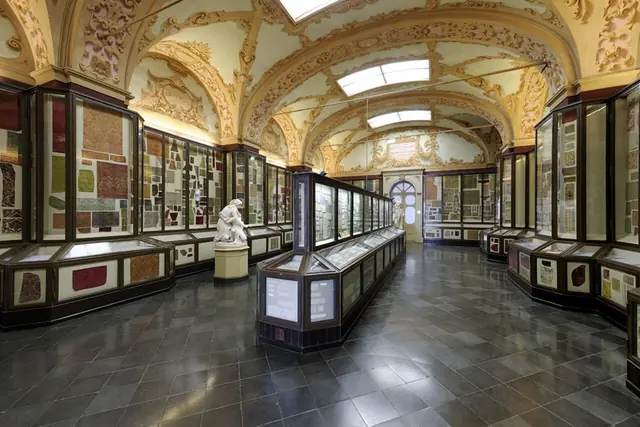
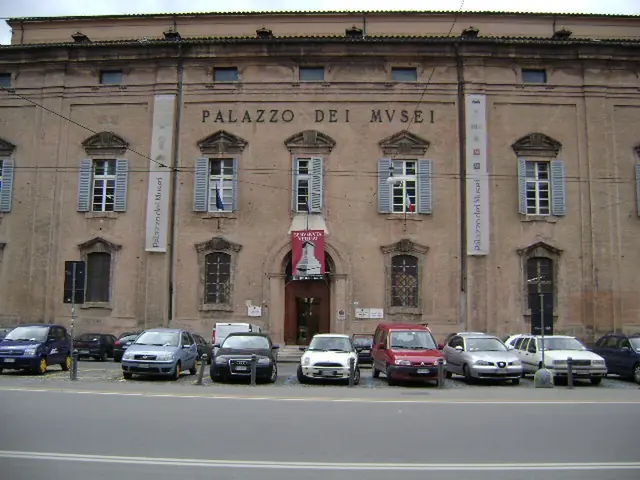
The first public museum of Modena, founded in 1828: Roman inscriptions, stelae and sarcophagi of the colony of Mutina on the ground floor of the Palazzo dei Musei.
Have only individual sections read aloud
About the museum
The Museo Lapidario Estense is the first public museum established in Modena: Duke Francis IV of Austria-Este decreed its foundation on 31 March 1828 under the name Museo Lapidario Modenese. It drew on illustrious models such as the Museo Lapidario Maffeiano in Verona and the Galleria Lapidaria of the Vatican Museums, but with a civic vocation aimed at celebrating the city’s past from its origins as the Roman colony of Mutina.
The initial core consisted of pieces already kept in the Palazzo Ducale of Modena, coming from other antiquarian collections of the Este family or from excavations in the ducal territories of Brescello and Novellara. Citizens, starting with clergy and nobles, donated materials and funded the museum, which expanded significantly within a couple of years; two commemorative inscriptions of the benefactors, dated 1828 and 1830, are still preserved.
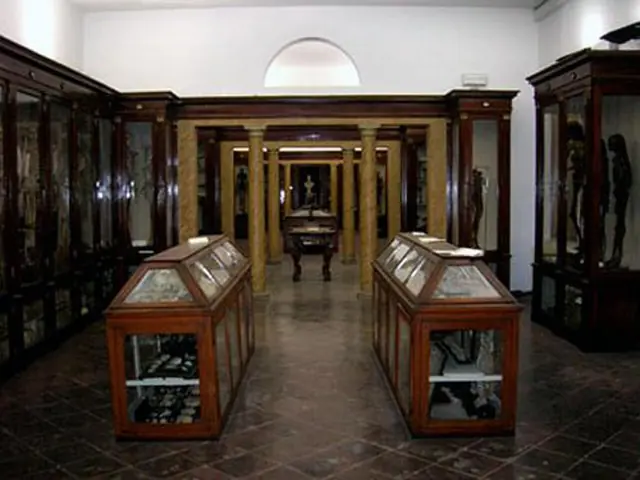
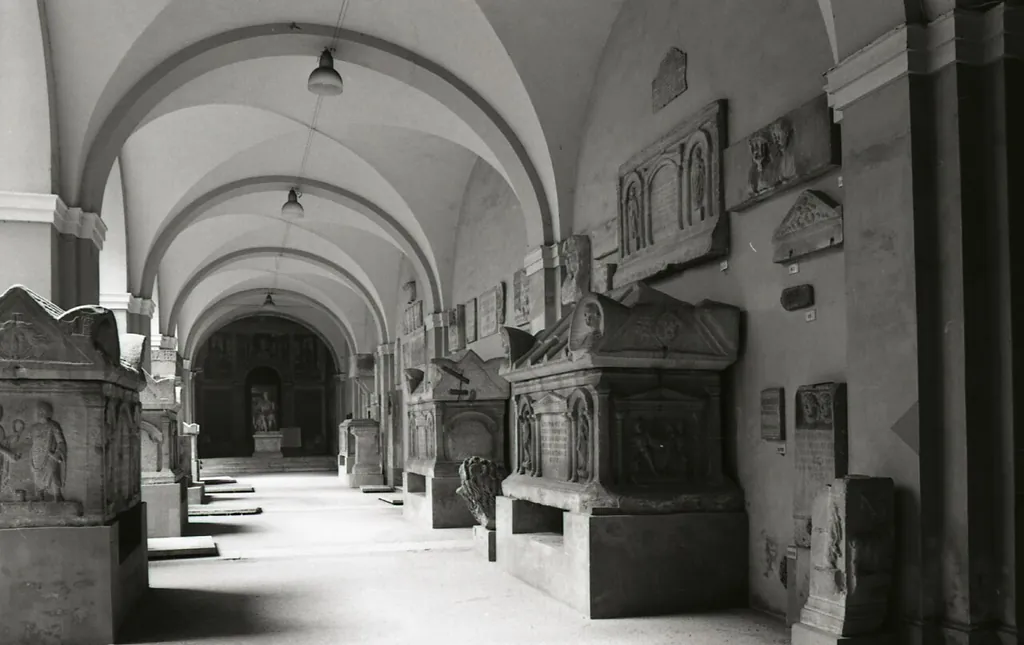
After Italian unification the museum gained new spaces under the direction of Arsenio Crespellani, who published a new catalogue in 1897. The most recent arrangement is that of Cesare Giorgi of 1938, recovered through the restorations of the late 20th century. The museum displays stelae, inscriptions and reliefs, Roman sarcophagi produced in Ravenna between the 2nd and 3rd centuries and later funerary monuments from the cathedral of Modena and other churches. It is part of the Gallerie Estensi.
Highlights
- First public museum institution in Modena (1828)
- Inscriptions and reliefs of the Roman colony of Mutina
- Roman sarcophagi produced in Ravenna in the 2nd and 3rd centuries
- Funerary monuments from the cathedral and other churches of Modena
- Multimedia tablet guide in Italian, English and French
Permanent exhibition
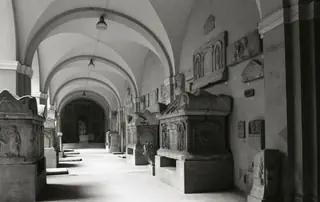
- Museo Lapidario Estense – Collection of inscriptions, reliefs and Roman sarcophagi, and of medieval and modern funerary monuments, displayed on the ground floor of the Palazzo dei Musei.
- Founded
- 1828
- Operated by
- Gallerie Estensi (Ministero della Cultura)
Admission & discounts
The museum hasn’t published any information on this.
Accessibility
- Wheelchair accessible
- Elevator: no information
- Accessible restroom: no information
- Accessible parking: no information
- Service dogs welcome: no information
- Tactile models & exhibits: no information
- Sign language tours: no information
- Easy-to-read materials: no information
- Audio description: no information
The museum is on the ground floor, with a visit route that is easily accessible. The entrance for visitors with reduced mobility is at Viale Vittorio Veneto 5, with a ticket office and an exhibition hall equipped with an access ramp.
Kids & families
The museum hasn’t published any information on this.
Getting there & parking
By public transit
Largo Porta Sant'Agostino
Bus lines 7 and 11 from the railway station to Largo Porta Sant’Agostino.
By car
Paid parking · 1-min walk to the entrance
Pay car park “Novi Park” in Piazzale Novi Sad, one minute’s walk away; parking in the streets around the Palazzo dei Musei is charged on weekdays.
The museum is at the far end of Via Emilia Ovest, 20 minutes’ walk from the station and 5 minutes from the Duomo. Beyond Largo Porta Sant’Agostino the historic centre is a limited traffic zone.
Get directionsAmenities & dining
The museum hasn’t published any information on this.
Events & venue rental
The museum hasn’t published any information on this.
Plan your visit
| Guided tours | yes |
|---|---|
| Audio guide | yes (IT, EN, FR) |
| School programs | yes |
| Good to know | Multimedia tablet guide with beacon sensors, free for those who buy the ticket of the Galleria Estense or of the Sala Mostre (an identity document is left as a deposit). Groups by reservation only, up to 30 people. |