Museo Nazionale d'Abruzzo
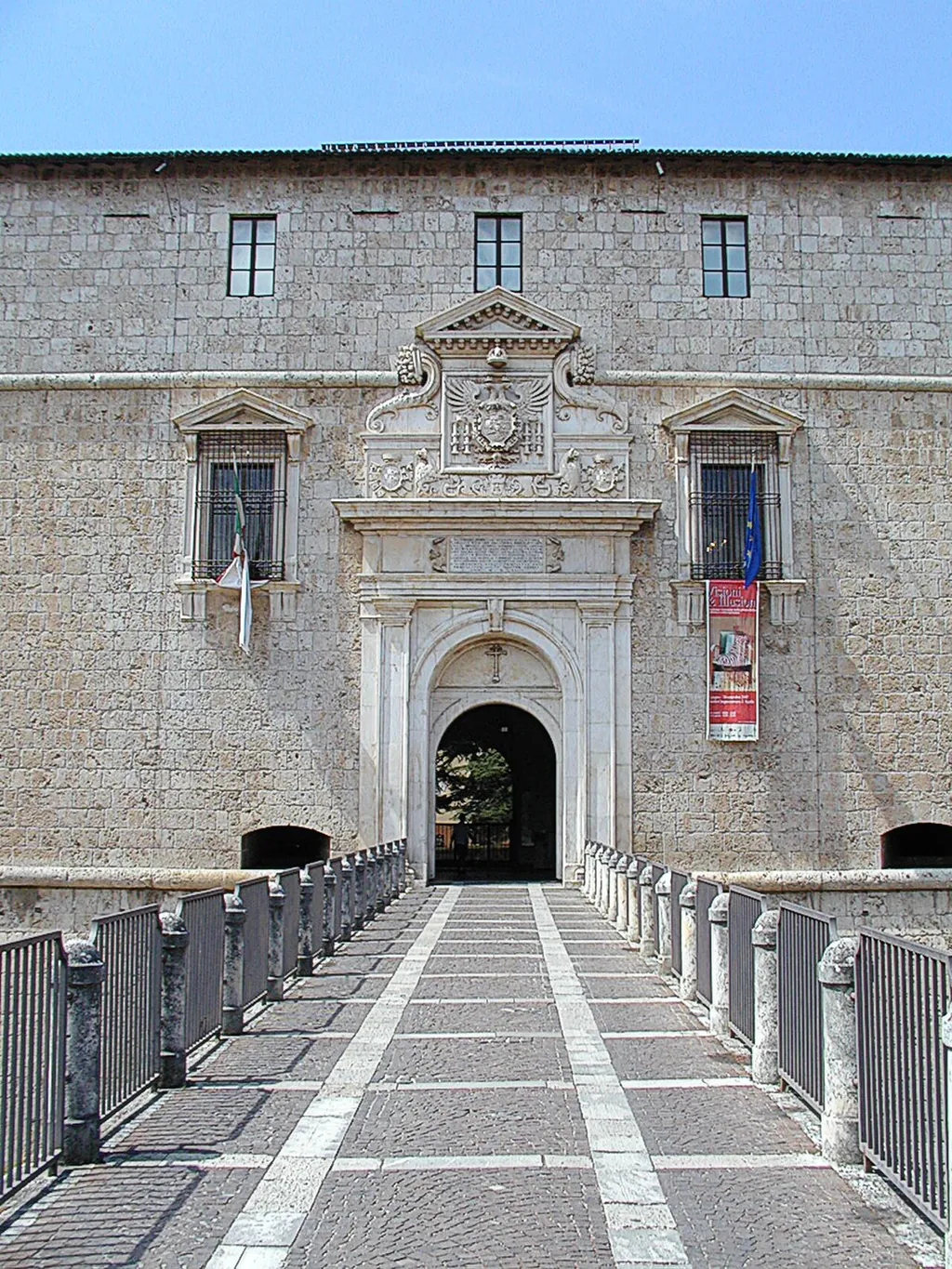
Main museum of the L'Aquila area of Abruzzo, housed in the sixteenth-century castle: medieval and Renaissance art, finds from Amiternum and the mammoth of Scoppito.
Have only individual sections read aloud
About the museum
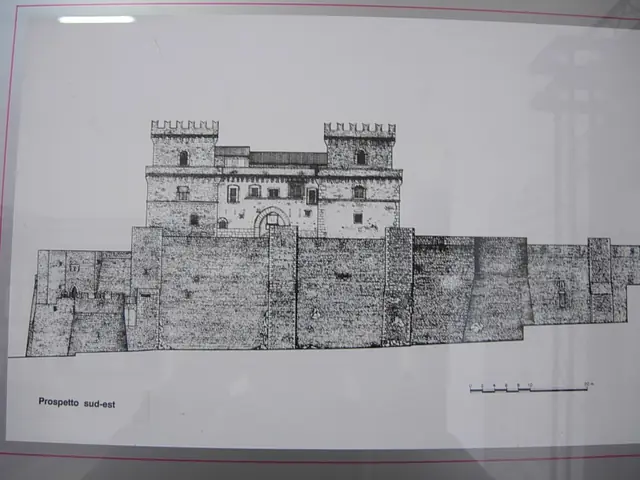
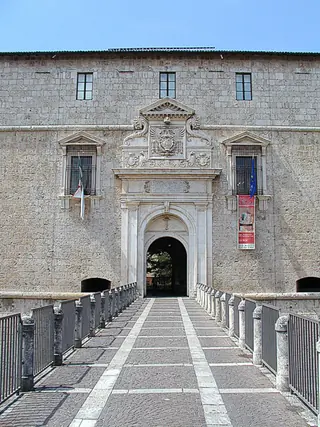
The museum grew out of the work of the scholar Mario Chini, who founded a civic museum in Palazzo Margherita in L'Aquila. After the war, in 1951, the sixteenth-century castle of the Forte Spagnolo was chosen as the single seat of the collections. The earthquake of 2009 seriously damaged the building: in 2015 part of the collections was moved to the former municipal slaughterhouse, near the fountain of the 99 spouts (fontana delle 99 cannelle), where it remained until 2025. On 20 December 2025 the museum returned to its historic seat, with fewer exhibition rooms than before.
The collections include medieval and Renaissance art from the 12th to the 15th century, with many Madonnas with Child and works by Saturnino Gatti, Silvestro dell'Aquila and the Master of Fossa, as well as sculptures, paintings and sacred goldwork from the 16th to the 20th century. The archaeological section gathers finds from the territory of the Vestini and of L'Aquila and from Amiternum, an ancient Sabine city, including the Calendario Amiternino.
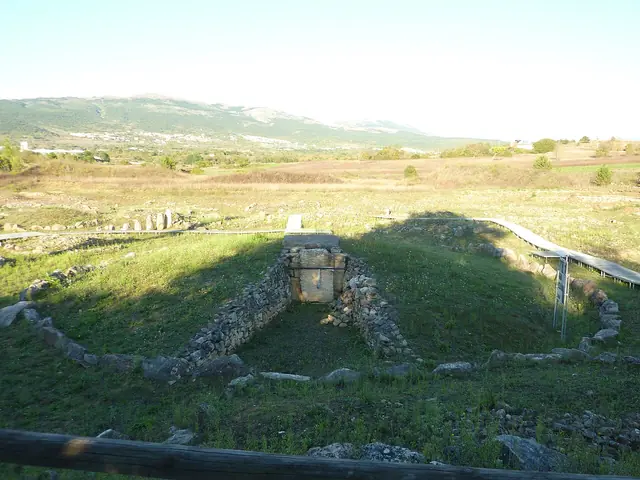
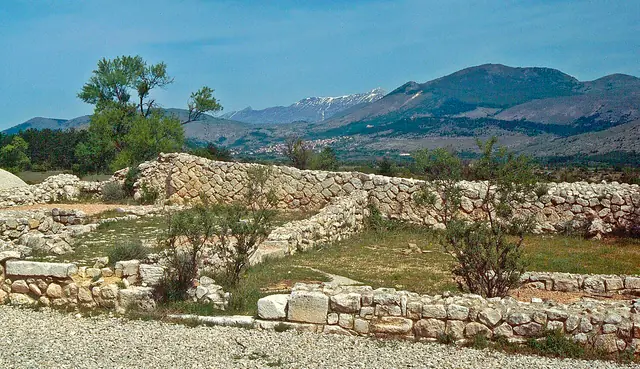
One of the best-known attractions is the skeleton of the mammoth (Mammuthus meridionalis), found at Scoppito in 1954 and brought to the museum the following year. The museum also manages the Parco archeologico di Amiternum, with the amphitheatre and the Roman theatre, and the seat of the former slaughterhouse of Borgo Rivera, open only on extraordinary occasions.
Highlights
- Skeleton of the mammoth of Scoppito (Mammuthus meridionalis)
- Works by Saturnino Gatti, Silvestro dell'Aquila and the Master of Fossa
- Madonnas with Child from the 12th to the 15th century
- Finds from Amiternum, including the Calendario Amiternino
- Parco archeologico di Amiternum with amphitheatre and Roman theatre
- Operated by
- Museo Nazionale d'Abruzzo (Ministero della Cultura)
- Visitors per year
- approx. 56,824 (2023)
Admission & discounts
| Adults | €10 |
|---|---|
| Reduced | €2categories provided for by the Ministry of Culture. |
| Children & teens | freefree up to age 17 · Free admission for children and young people under 18 (sixteenth-century castle). |
| Groups (10+ people) | €8 per personGroups of 10 to 25 people (sixteenth-century castle). |
| Parco archeologico di Amiternum | €5Reduced €2; free on the first Sunday of the month. |
Free admission: Free admission for everyone on the first Sunday of the month.
Tickets through CoopCulture; maximum 25 tickets per purchase.
Accessibility
- Wheelchair accessible
- Elevator
- Accessible restroom
- Accessible parking: no information
- Service dogs welcome: no information
- Tactile models & exhibits
- Sign language tours: no information
- Easy-to-read materials
- Audio description: no information
The venues are accessible to people with motor disabilities with the help of staff; the entrance of the sixteenth-century castle is suitable for wheelchair users, and a lift connects the ground floor and the first floor. Accessible toilet for people with disabilities at the Castle and at the Parco di Amiternum. Braille guides, tactile and volumetric models and a PDF guide in AAC (augmentative and alternative communication).
Kids & families
The museum hasn’t published any information on this.
Getting there & parking
By public transit
Urban bus: line M11R of AMA (Azienda Mobilità Aquilana). By train from Rome on the Rome–Avezzano–Sulmona–Pescara line; intercity buses from Rome Tiburtina with Gaspari Bus, Flixbus and TUA.
By car: A24 motorway Rome–L'Aquila–Teramo or A25 Rome–Pescara.
Get directionsAmenities & dining
The museum hasn’t published any information on this.
Events & venue rental
The museum hasn’t published any information on this.
Plan your visit
| Guided tours | yes |
|---|---|
| School programs | yes |
| Good to know | Group bookings (tour@coopculture.it) and school bookings (edu@coopculture.it) through CoopCulture. |