Utenos kraštotyros muziejus
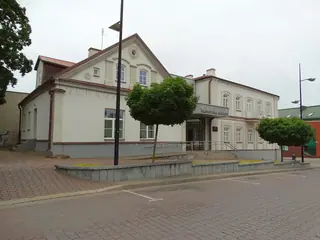
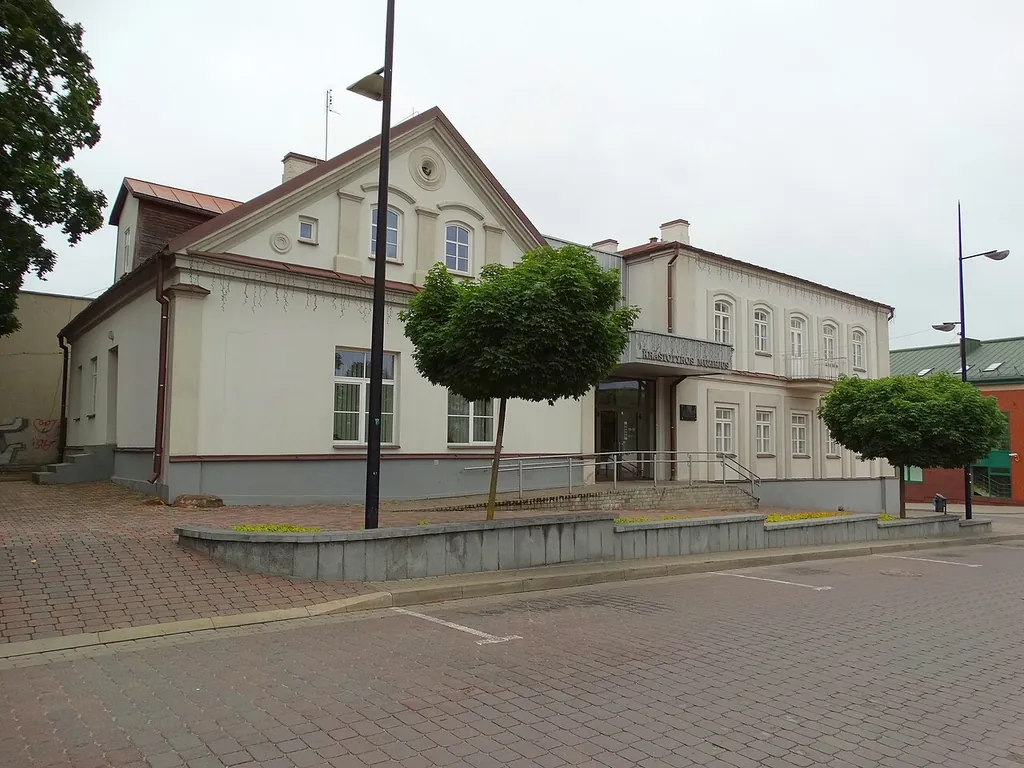
The main regional museum of Utena, founded in 1929, preserves and presents the history and ethnography of the region from its building on Utenio aikštė.
Have only individual sections read aloud
About the museum
The museum in Utena was founded in 1929: on 22 November the Utena county board allowed the school inspector of the second district, Antanas Namikas, to set up a museum and appointed him its head. A room in the new primary school was assigned for the first exhibits. Namikas bought the most valuable items with his own money, while most of the objects were donated by people – archaeological finds, portraits, old scripts and coins. In 1940 the registration book listed 740 exhibits.
When the occupation began, the museum was left without care, and during the war most of the exhibits were destroyed or plundered. In 1945 it was planned to restore it, and in 1948 the restored museum received two rooms. In 1951 it moved to larger premises on J. Basanavičiaus gatvė, and in 1957 it was given the building on Utenio aikštė, where it is housed today. In 1971 the first branch of the museum was opened in Tauragnai.
In 1973 a new exhibition was opened: crafts and flax processing in the basement, sections on nature, archaeology and history, and peasant life and folk art on the first floor. In 2000–2001 the museum was thoroughly renovated and reconstructed: the two buildings were joined, a new exhibition was prepared, and the storage was moved to a former air-raid shelter at Utenio aikštė 15.
Today the museum carries out scientific research and publishing work, and organises exhibitions, educational sessions and events. Its branches are the Laisvės kovų muziejus (Freedom Struggles Museum) in Utena, the Vytauto Valiušio keramikos muziejus (Vytautas Valiušis Ceramics Museum) in Leliūnai, the A. and M. Miškinis literary-ethnographic homestead in Juknėnai, the Tauragnų krašto muziejus (Tauragnai Regional Museum) and the tradicinių amatų centras “Svirnas” (Svirnas traditional crafts centre).
Highlights
- Collections of regional history and ethnography
- Building on Utenio aikštė, where the museum has been housed since 1957
- Educational sessions and camps
- Branches in the Utena region: the Freedom Struggles Museum, the Tauragnai Regional Museum and others
- Free admission on the last Saturday of every month
- Founded
- 1929
Admission & discounts
| Adults | €2 |
|---|---|
| Reduced | €1pupils, students, soldiers, pensioners up to 80 years, political prisoners and deportees (upon presenting a certificate) |
| Children & teens | freePre-school children, orphans and children without parental care visit free of charge. |
| Visitors with disabilities | freecompanion free · Persons with disabilities and one accompanying person visit free of charge. |
| Local resident's ticket (all museum and branch sites, valid for 14 days) | €5No discounts apply. |
| Guided tour in Lithuanian (up to 60 min.) | €8Group: up to 25 pupils or up to 15 adults; in a foreign language – €15. |
| Guided tour in Lithuanian in the museum and the town (up to 90 min.) | €20In a foreign language – €30. |
Free admission: Free admission for all visitors on the last Saturday of each month.
The ticket entitles the holder to visit one of the selected sites (the Utena Regional Museum, the Freedom Struggles Museum, the Vytautas Valiušis Ceramics Museum or the Miškiniai homestead). Free admission also for persons aged 80 and over, Lithuanian museum employees and ICOM members. Educational sessions for adults – €2 per person.
Accessibility
The museum hasn’t published any information on this.
Kids & families
- Family tours & workshops
Educational sessions for children are offered (free for pre-school children), as well as camps.
Getting there & parking
The museum hasn’t published any information on this.
Amenities & dining
The museum hasn’t published any information on this.
Events & venue rental
The museum hasn’t published any information on this.
Plan your visit
| Guided tours | yes |
|---|---|
| School programs | yes |
| Good to know | Guided tours, educational sessions (also under the Kultūros pasas programme) and summer camps are offered. |