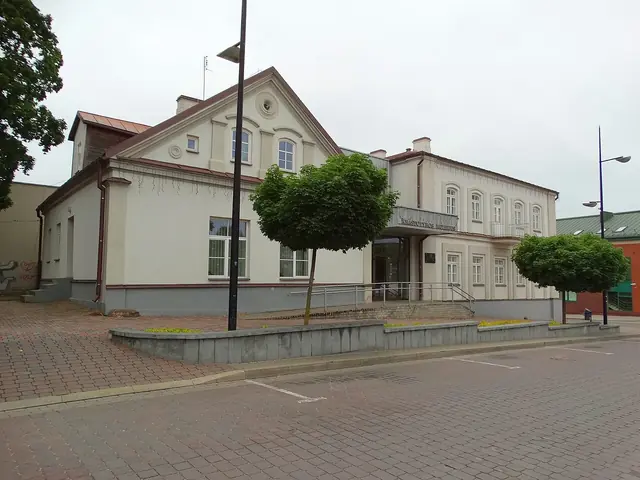
Vytauto Valiušio keramikos muziejus
A ceramics museum in Leliūnai with more than 3,000 pots, jugs and other clay objects, as well as works by ceramicist Vytautas Valiušis.
Have only individual sections read aloud
About the museum
The Vytauto Valiušio keramikos muziejus (Vytautas Valiušis Ceramics Museum) was founded in 2001 by potter Vytautas Valiušis. Loving clay, he began to collect ceramic objects: he brought old pots, or at least their shards, from landfills, searched for them in courtyards, at the homes of old grandmothers and on homesteads, and read literature on old pots across Lithuania. Having prepared the exhibition at his own expense, on 2 February 2001 he donated his collection of 730 exhibits free of charge to the Utenos kraštotyros muziejus (Utena Regional Museum), and so a branch of that museum came into being in Leliūnai.
The museum displays traditional applied ceramics from various regions of Lithuania: pots, cooking pots, cups, jugs, palivonai, lekai, lauknešėliai, poppy-seed bowls (aguontrynės), bowls, vases and candlesticks. There are also decorative objects, including clay whistles and small sculptures made at the Dailės kombinatas after the war. Another part of the exhibition is devoted to the author's ceramic works, including several hundred pots, vases and candlesticks turned by V. Valiušis himself. The ceramic objects are displayed in an unconventional way, complemented by paintings and wooden carvings on the theme of the potter's craft.
In 2007–2013 the museum was renovated, its exhibition was updated, and an exhibition and conference hall and teaching classrooms were set up, with funds from the project “Development of Creative Tourism by Creating Ceramic Art Centres in Utena and Daugpilis”, carried out under the Latvia–Lithuania Cross-Border Cooperation Programme. The museum now has seven exhibition halls and one temporary exhibition hall, and educational sessions are held here.
Highlights
- More than 3,000 ceramic exhibits
- Traditional Lithuanian ceramics: pots, jugs, poppy-seed bowls
- Collection of clay whistles
- Works by the museum's founder, Vytautas Valiušis
- Seven exhibition halls and an educational classroom
Permanent exhibitions
- Kas yra keramika? – An exhibition on the specifics of ceramics, materials, tools and firing kilns, with a brief overview of the history of ceramics.
- Ne tik puodynės… – Tableware and household decorative vessels, and clay whistles displayed separately.
- Kermošius – Ceremonial vessels used by forebears.
- Tradicinė ir modernioji Vytauto Valiušio keramika – The founder's ceramic works – from vessels decorated with birch bark and covered in traditional patterns to black ceramic candlesticks.
- Founded
- 2001
- Operated by
- Utenos kraštotyros muziejus
Admission & discounts
| Adults | €2 |
|---|---|
| Reduced | €1pupils, students, military personnel, victims of the 1939–1990 occupations and pensioners under 80 (50% discount) |
| Children & teens | freeAdmission is free for pre-school children. |
| Visitors with disabilities | freecompanion free · Admission is free for persons with disabilities and one accompanying person. |
| Regional ticket (all sites of the Utenos kraštotyros muziejus, valid for 14 days) | €5Discounts do not apply. |
Free admission: On the last Saturday of each month admission is free for everyone.
Free admission for pre-school children, orphans, persons with disabilities accompanied by a companion, persons aged 80 and over, museum staff and ICOM members. A guided tour in Lithuanian (up to 60 minutes, for a group) costs €8; in a foreign language €15.
Accessibility
The museum hasn’t published any information on this.
Kids & families
Great for kids & families
- Family tours & workshops
- Hands-on stations
Getting there & parking
The museum hasn’t published any information on this.
Amenities & dining
The museum hasn’t published any information on this.
Events & venue rental
The museum hasn’t published any information on this.
Plan your visit
| Guided tours | yes |
|---|---|
| School programs | yes |
| Good to know | The museum can be visited independently or with a guide, and educational sessions can be booked for groups or companies. It is advisable to notify the museum of your visit in advance by phone. |