Muzeum Górnośląskie w Bytomiu
Regional museum in Bytom with natural history and ethnographic exhibitions and a painting gallery, housed in a modernist building from 1929–1930.
Have only individual sections read aloud
About the museum
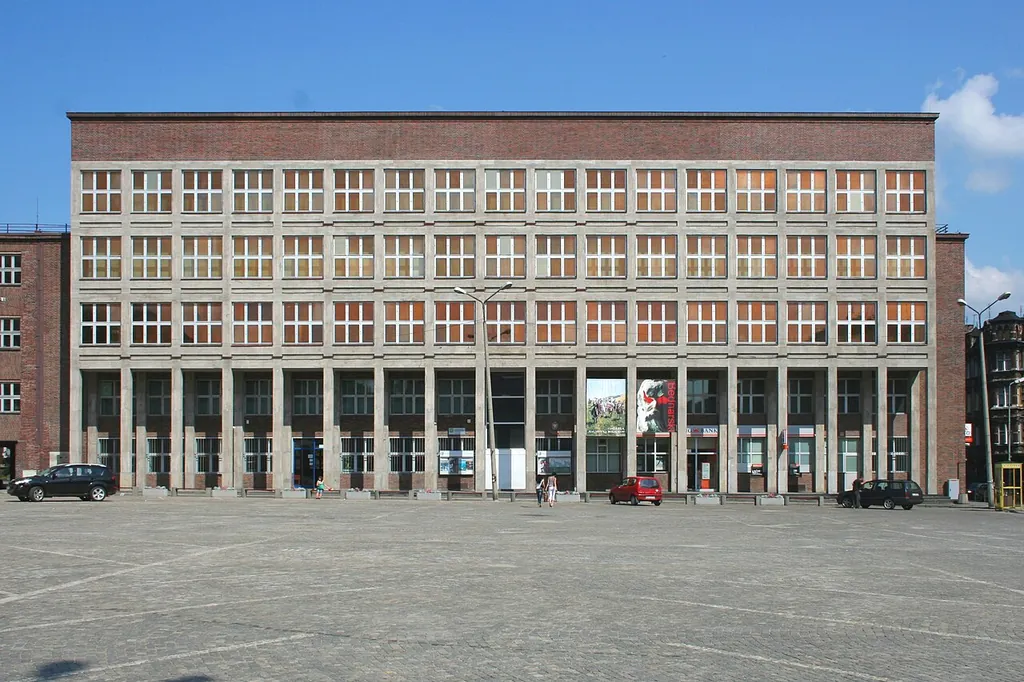
The museum’s origins go back to 1910, when a group of enthusiasts of Bytom’s history founded the Bytom Historical and Museum Society. In 1928 the city council took over the institution, and in 1929–1930 a new building was constructed for it to a design by A. Stütz and H. Hatler; because of the economic crisis only half of it was built.
After the Second World War the museum was re-established in Bytom, intended to continue the traditions of the pre-war Muzeum Śląskie in Katowice. The permanent exhibitions – natural history, archaeology, ethnography and a gallery of Polish painting – opened in 1946–1947. In 1950 the institution was nationalised and given its present name, and in 1999 it was taken over by the Silesian Voivodeship self-government. The collections number about one million objects.
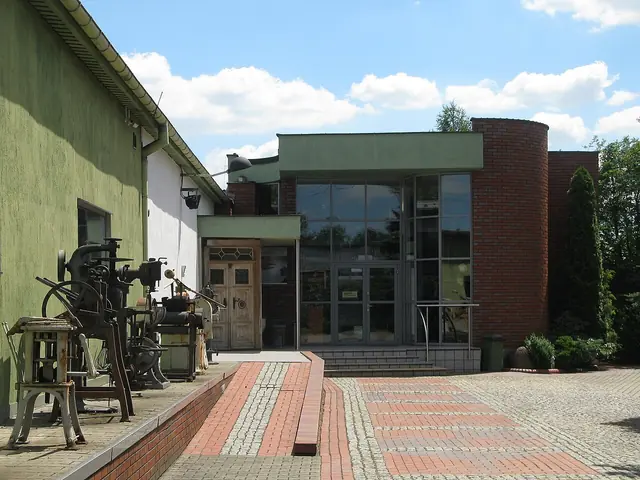
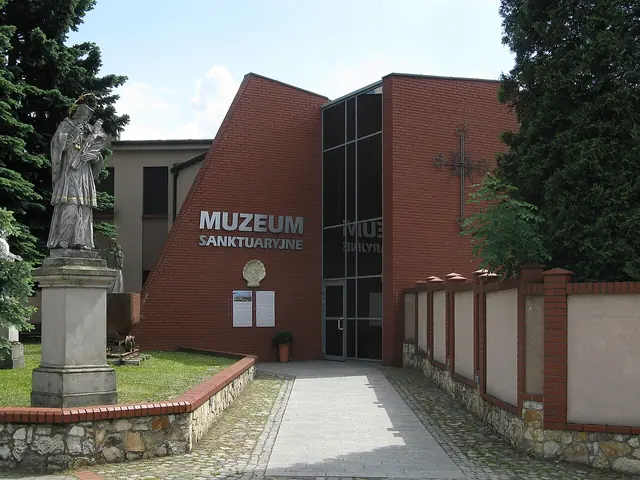
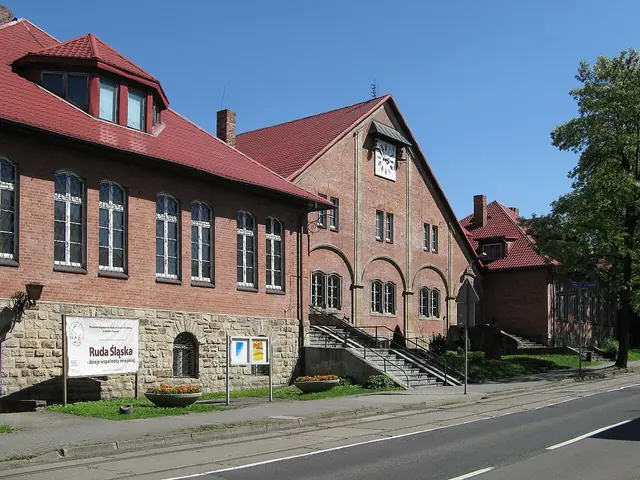
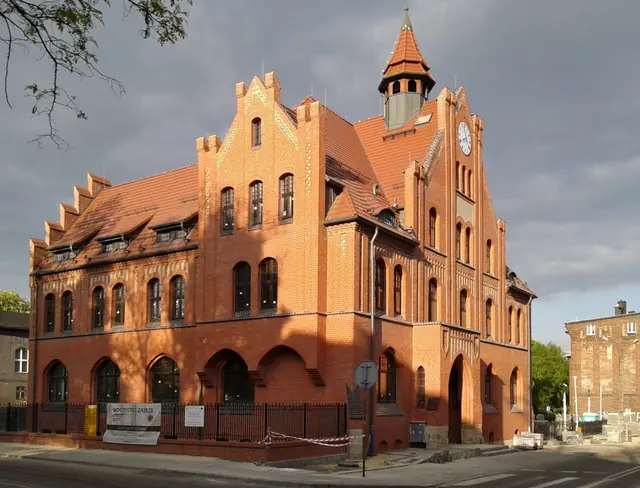
The museum occupies two buildings: the modernist main building at Plac Sobieskiego, entered in the register of monuments in 2022, and the former starostwo (district office) building at ul. Korfantego from 1899–1902. In 2017 the museum received a donation from the Jewish Religious Community in Katowice (Gmina Wyznaniowa Żydowska), including more than 500 books, which form the third-largest collection of Hebrew religious books in Poland. The museum also runs a specialist library with more than 50,000 volumes.
Highlights
- Modernist main building from 1929–1930, entered in the register of monuments
- Natural history exhibition with touchable panels of animal skins
- Ethnographic exhibition with a “great-grandmother’s cupboard” (szafa prababci) and replicas of folk costumes to try on
- Painting gallery and art collections
- Judaica, including more than 500 Hebrew religious books from the former prayer house of Bytom’s Jews
- Films in the permanent exhibitions translated into Polish Sign Language
Permanent exhibitions
- Wystawa przyrodnicza – Permanent natural history exhibition with touch elements, including panels of animal skins.
- Wystawa etnograficzna – Permanent ethnographic exhibition with a “great-grandmother’s cupboard” in which replicas of folk costumes can be tried on.
- Galeria malarstwa – Permanent painting gallery; on request the museum provides tactile graphics of selected paintings with audio description.
- Founded
- 1910
- Operated by
- Samorząd Województwa Śląskiego
Admission & discounts
| Adults | 10 zł |
|---|---|
| Reduced | 5 złpupils, students and doctoral students, persons over 65, pensioners, annuitants, persons with disabilities together with their carers, teachers and war veterans (on presentation of documents) |
| Children & teens | 5 złfree up to age 6 · Children under 7 enter free. |
| Seniors | 5 zł |
| Visitors with disabilities | 5 złPersons with disabilities together with their carers pay the reduced ticket price. |
| Students & apprentices | 5 zł |
| Groups (11+ people) | 5 zł per personPrice per person for groups of more than 10 people for the permanent exhibitions; supervisors of educational groups enter free. |
| Families | 20 złFamily ticket for 3 or more people; holders of the Large Family Card pay half the ticket price. |
| Special exhibitions – standard ticket | 12 złReduced ticket PLN 6, family ticket PLN 24. |
| Joint ticket to Muzeum Górnośląskie in Bytom and Muzeum Śląskie in Katowice (valid 3 months) | 32 złReduced ticket PLN 21, family ticket PLN 80; not valid for some special exhibitions or the educational spaces in the Muzeum Śląskie. |
| Children’s workshops | 15 złWorkshops for adults and young people PLN 35. |
Free admission: Admission to the permanent exhibitions is free on Sundays.
The EURO26 card entitles holders to a ticket for PLN 5. The ticket office at Plac Sobieskiego 2 accepts payment cards.
Accessibility
- Wheelchair accessible
- Elevator: no information
- Accessible restroom: no information
- Accessible parking: no information
- Service dogs welcome: no information
- Tactile models & exhibits
- Sign language tours: no information
- Easy-to-read materials
- Audio description
The main building and the Education Centre are completely free of architectural barriers; in the building at ul. Korfantego alternative accessibility applies (visits arranged within 3 working days after contacting the secretariat, tel. +48 535 584 817, also by SMS). The main ticket desks have an induction loop, which is also available during guided tours and lectures on request. In the permanent exhibitions, TV screens show short films translated into Polish Sign Language; in the natural history exhibition there are touchable panels of animal skins, and on prior request tactile graphics of selected paintings with audio description can be viewed. The museum website also contains text in easy-to-read language.
Kids & families
Great for kids & families
| Kids’ admission | free up to age 6 |
|---|---|
| Family ticket | 20 zł · Family ticket for 3 or more people; holders of the Large Family Card pay half the ticket price. |
- Family tours & workshops
- Hands-on stations
The Education Department runs workshops and museum lessons for children and kindergarten groups; a family ticket is available for 3 or more people. In the exhibitions visitors can touch the panels of animal skins and try on replicas of folk costumes.
Getting there & parking
By car
Parking available
Parking at Plac Jana III Sobieskiego 2 and paid parking spaces along ul. Wojciecha Korfantego.
Amenities & dining
The museum hasn’t published any information on this.
Events & venue rental
The museum hasn’t published any information on this.
Plan your visit
| School programs | yes |
|---|---|
| Photography | Amateur photography and filming of exhibitions without additional lighting or tripods is permitted after arrangement with the exhibition staff. |
| Good to know | Group visits are booked with the Education Department (tel. +48 32 281 82 94 ext. 127). The museum runs museum lessons and workshops, including those adapted to the needs of people with special needs. |