Muzeum Kornela Makuszyńskiego w Zakopanem
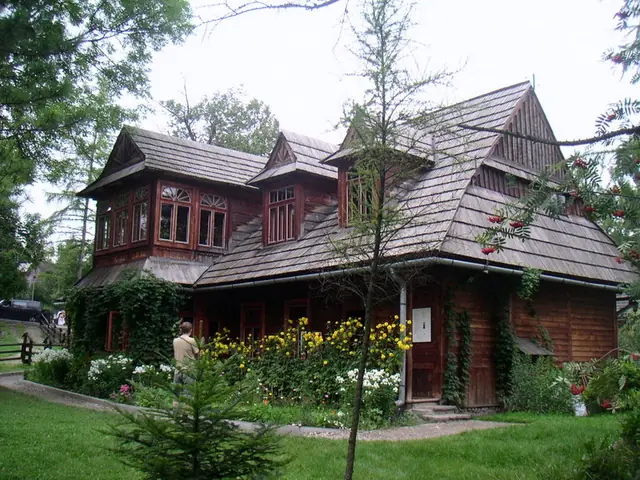
Museum in the Opolanka villa, the former home of writer Kornel Makuszyński, author of “The Adventures of Koziołek Matołek”; branch of the Tatra Museum.
Have only individual sections read aloud
About the museum
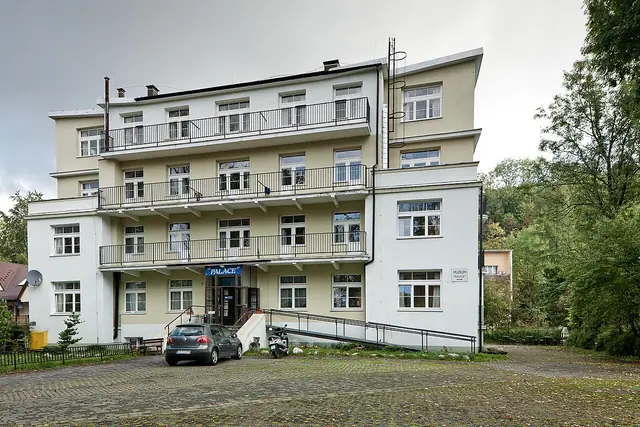
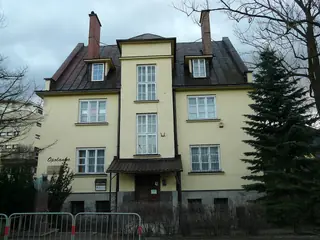
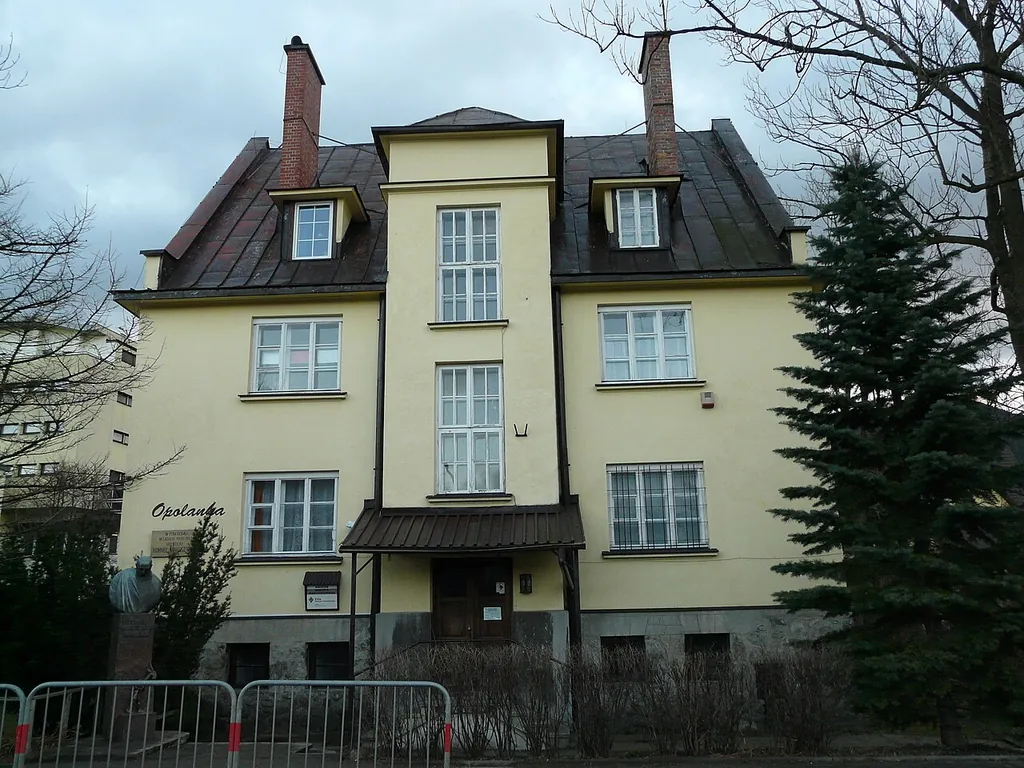
The Kornel Makuszyński Museum was established in 1966 from collections donated by the writer's widow, Janina Gluzińska-Makuszyńska (1896–1972). It is housed in the Opolanka villa, built around 1930–1931 to a design by Franciszek Kopkowicz. The building is an example of interwar functionalism adapted to the mountain climate, as shown by its steep roof, and has been on the register of monuments since 1993.
The Makuszyński family came to Zakopane regularly, and from 1934 the villa was their second home. After the Second World War they settled here permanently, occupying the upper floor. Kornel Makuszyński (1884–1953), writer, journalist, theatre critic and one of Poland's most popular children's authors, known for “The Adventures of Koziołek Matołek”, became an honorary citizen of Zakopane in 1931. He died on 31 July 1953 and is buried in the Old Cemetery in Zakopane.
In three rooms of the family's former flat and in two thematic rooms on the upper floor, the museum presents the writer's library, archive, letters and photographs, as well as art and applied-arts collections including paintings, sculptures, period furniture and porcelain. The renovation, completed in 2022 and partly funded by the European Union, took account of the needs of people with disabilities.
Highlights
- Memorabilia of the author of “The Adventures of Koziołek Matołek”
- Interiors of the Makuszyński family's former flat
- The writer's library, archive, letters and photographs
- Room “Literackie Zakopane” (Literary Zakopane)
- Opolanka villa from 1930–1931, listed as a monument
Permanent exhibition
- Życie i twórczość Kornela Makuszyńskiego oraz Literackie Zakopane – Exhibition in the rooms of the writer's former flat and in two thematic rooms: on Makuszyński's life and work and on literary Zakopane.
- Founded
- 1966
- Operated by
- Muzeum Tatrzańskie im. dra Tytusa Chałubińskiego w Zakopanem
Admission & discounts
| Adults | 15 zł |
|---|---|
| Reduced | 7 zł |
| Groups (15+ people) | 7 zł per personPrice per person for groups of 15 or more; for every 15 people one carer enters free. |
| Permanent and temporary exhibitions – standard ticket | 18 zł |
| Permanent and temporary exhibitions – reduced ticket | 9 zł |
| Holders of the Large Family Card (1 person) | 5 zł |
| Residents of selected municipalities (including Zakopane and Nowy Targ) | 1 zł |
| Weekly combined ticket to all open branches – standard | 69 zł |
| Weekly combined ticket to all open branches – reduced | 34 zł |
Free admission: On Thursdays admission to the permanent exhibition is free.
PLN 15 (reduced PLN 7) applies to the permanent exhibition alone; a temporary exhibition alone costs PLN 10 (reduced PLN 5).
Accessibility
- Wheelchair accessible: no information
- Elevator
- Accessible restroom: no information
- Accessible parking: no information
- Service dogs welcome
- Tactile models & exhibits: no information
- Sign language tours: no information
- Easy-to-read materials: no information
- Audio description: no information
During the renovation the staircase was widened and a lift was installed. The Tatra Museum admits guide dogs for blind visitors.
Kids & families
Great for kids & families
- Family tours & workshops
The museum commemorates the author of popular children's books. It has a sensory and educational meeting place, and holders of the Large Family Card buy a ticket for PLN 5.
Getting there & parking
The museum's postal address is ul. Droga na Koziniec 8.
Get directionsAmenities & dining
The museum hasn’t published any information on this.
Events & venue rental
The museum hasn’t published any information on this.
Plan your visit
| Guided tours | yes |
|---|---|
| Audio guide | yes |
| School programs | yes |
| Good to know | The audio guide costs PLN 5 and a guided tour PLN 40. Tickets and guided tours: tel. +48 18 201 22 63. The museum has a sensory and educational meeting place. |