Muzeum im. o. Emila Drobnego w Rybniku
Municipal museum in the classicist town hall on the Rynek in Rybnik, with exhibitions on the history of the town, mining and old crafts.
Have only individual sections read aloud
About the museum
Museum activity in Rybnik goes back to the interwar period, when Fr Emil Drobny of the Society of the Divine Word (Zgromadzenie Księży Werbistów) created the first historical collection; his collections were dispersed during the Second World War. The idea of a museum returned in the second half of the 1950s, when the Społeczny Komitet Organizacyjny Zbiorów Muzealnych Ziemi Rybnicko-Wodzisławskiej (Social Organising Committee for the Museum Collections of the Rybnik-Wodzisław Land) was set up. The institution later became an independent Muzeum w Rybniku, and its patron is Fr Emil Drobny.
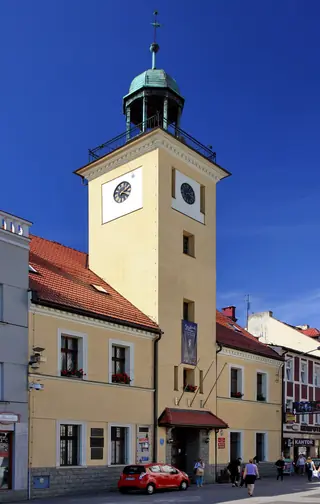
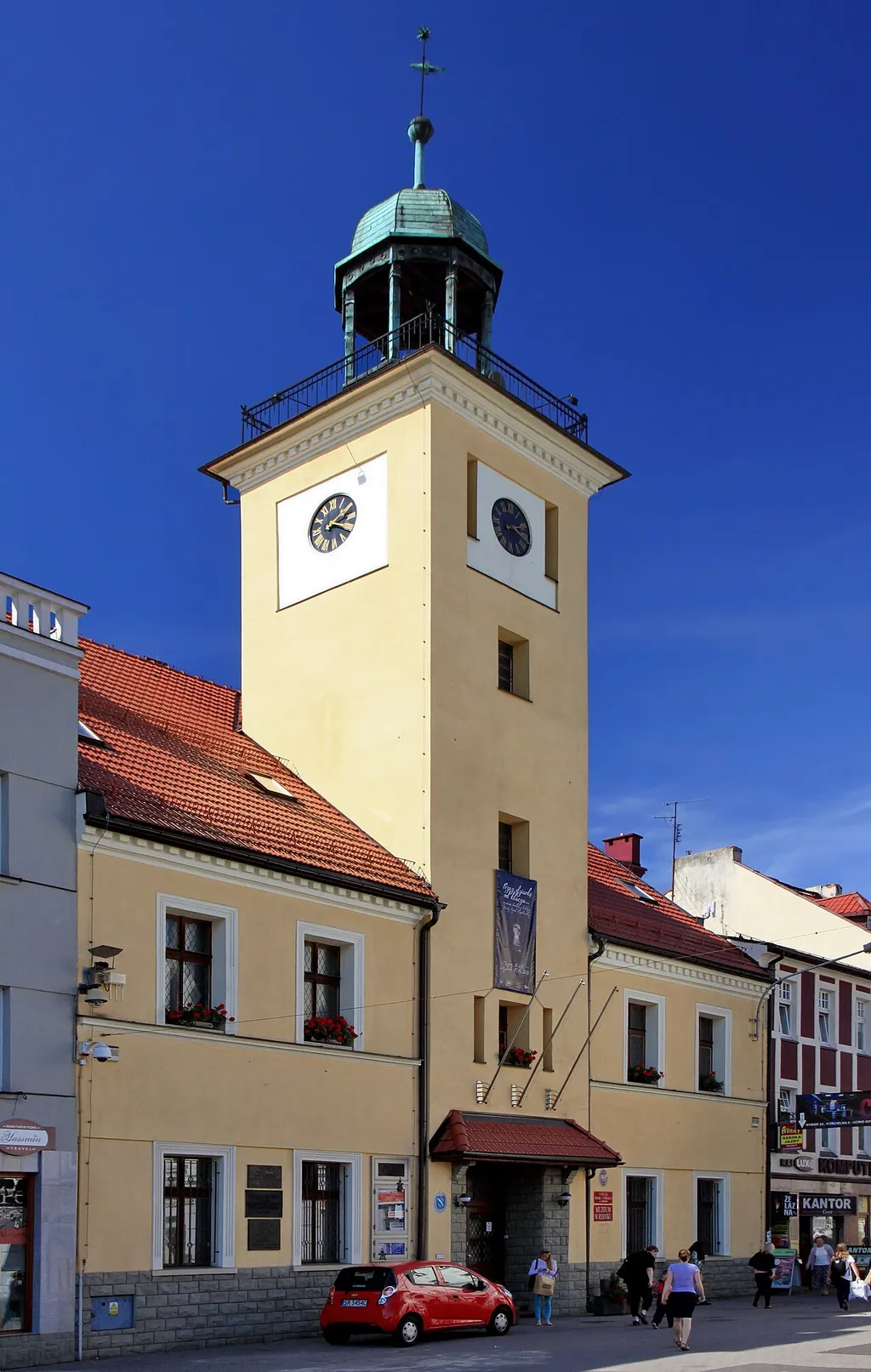
The museum is housed in the former town hall, built in 1822–1823 in the classicist style in the middle of the square. For about a hundred years it was the seat of the town council; later it housed, among other things, the police, the archive and offices. The building was entered in the register of monuments in 1966. In the 1980s a museum wing was added and the façade and tower were renovated, and in 1995 the exhibition was opened. Part of the building still houses the civil registry office.
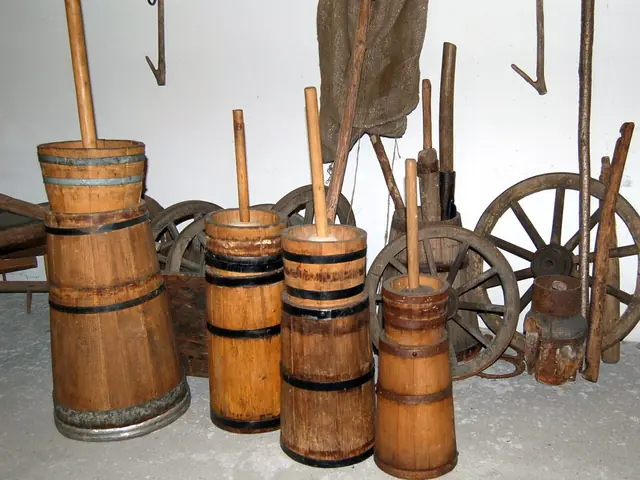
Today the museum presents three permanent exhibitions: on the history of Rybnik, on mining, and on trade and crafts from the turn of the nineteenth and twentieth centuries. It also runs temporary exhibitions, lessons and workshops, guided walks and publishes books. Since July 2026 it has offered free audio guides to the permanent exhibitions, co-financed by the Interreg Czechy–Polska (Czech–Poland) programme.
Highlights
- Exhibition “Rybnik | Historia | Codzienność | Tradycja” (History | Everyday Life | Tradition): the town from a service settlement to the present day
- Staged mine underground with a gallery, miners’ lamps and a chapel of St Barbara
- Historical walk through the streets of Rybnik from the turn of the nineteenth and twentieth centuries (confectioner’s, photographic studio, colonial goods shop)
- Classicist town hall from 1822–1823 with a clock tower
- Free audio guides to the permanent exhibitions
Permanent exhibitions
- Rybnik | Historia | Codzienność | Tradycja – The history of Rybnik from a service settlement to a modern town, showing the political and economic life and the everyday life of its residents.
- Rybnik | Gruba | Szychta | Fedrowanie – Staged mine underground with a gallery, a small mine wagon, miners’ lamps and a chapel of St Barbara.
- Rybnik | Fach | Interes | Geszeft – Historical walk through the streets of Rybnik from the turn of the nineteenth and twentieth centuries, with the interiors of shops and craft workshops.
- Founded
- 1970
- Operated by
- Miasto Rybnik (samorządowa instytucja kultury)
- Director
- Aleksandra Matuszczyk
Admission & discounts
| Adults | 10 zł |
|---|---|
| Reduced | 8 zł |
| Groups (10+ people) | 8 zł per personGroup ticket for groups of 10 to 25 people, price per person. |
| Guided tour | 50 złPossible on working days. |
Free admission: On Wednesdays admission to the permanent exhibitions is free.
Holders of the Rybnicka Karta Mieszkańca (Rybnik Resident Card) receive a 20% discount on admission tickets. The audio guide to the permanent exhibitions is free of charge. Tickets for temporary exhibitions cost the same (PLN 10 and PLN 8).
Accessibility
- Partially wheelchair accessible
- Elevator
- Accessible restroom
- Accessible parking: not available
- Service dogs welcome
- Tactile models & exhibits: no information
- Sign language tours
- Easy-to-read materials: no information
- Audio description: no information
The entrance to the building has three steps and a ramp. A lift gives access to the temporary exhibitions and to the permanent exhibition on the history of the town; there are no thresholds between the rooms. The exhibitions “Rybnik | Fach | Interes | Geszeft” and “Rybnik | Gruba | Szychta | Fedrowanie” are not accessible to wheelchair users. On the ground floor there is an accessible toilet with a baby-changing table. The market square is paved with setts. Only assistance dogs may enter the museum. A guided tour with a Polish Sign Language interpreter can be arranged in advance on +48 32 43 27 460.
Kids & families
- Family tours & workshops
- Baby changing facilities
The museum runs educational classes for kindergartens and schools. The toilet on the ground floor has a baby-changing table.
Getting there & parking
By public transit
There are public transport stops near the Rynek.
By car
Parking available
Car parks near the museum: at ul. Rzeczna (multi-storey, also with spaces for coaches), ul. 3 Maja, ul. Marii Skłodowskiej-Curie and ul. Brudnioka.
- Accessible parking: not available
Amenities & dining
- Museum shop
Souvenirs and museum publications can be bought at the ticket office.
Events & venue rental
The museum hasn’t published any information on this.
Plan your visit
| Guided tours | yes |
|---|---|
| Audio guide | yes |
| School programs | yes |
| Photography | Photography and filming are allowed without flash and additional lighting. |
| Good to know | Guided tours are possible on working days. The audio guides to the permanent exhibitions are free of charge. The tour of the mining exhibition begins with collecting a stamp and a miner’s helmet. |