Núcleo Museográfico do Casal da Falagueira
Headquarters of the Museu da Amadora, in a classified rural farmstead, with permanent exhibitions on archaeology, rural life, the Aqueduto das Águas Livres (Águas Livres Aqueduct) and aviation.
Have only individual sections read aloud
About the museum
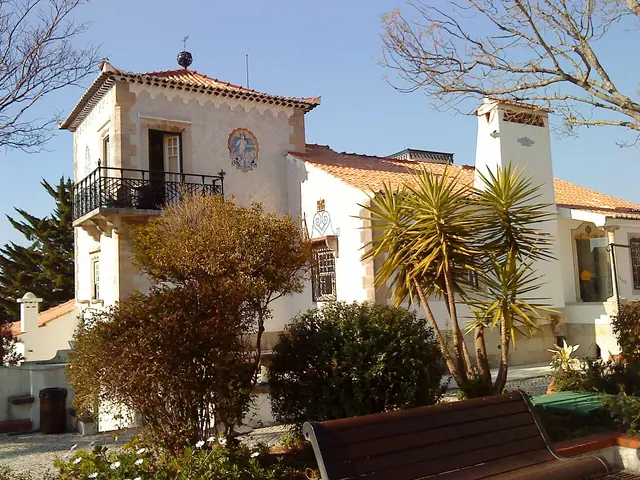
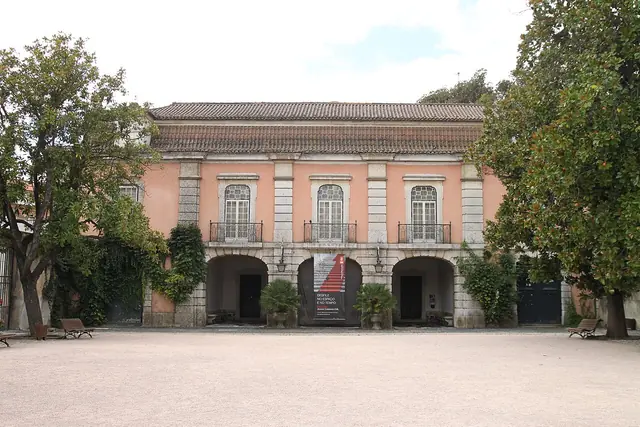
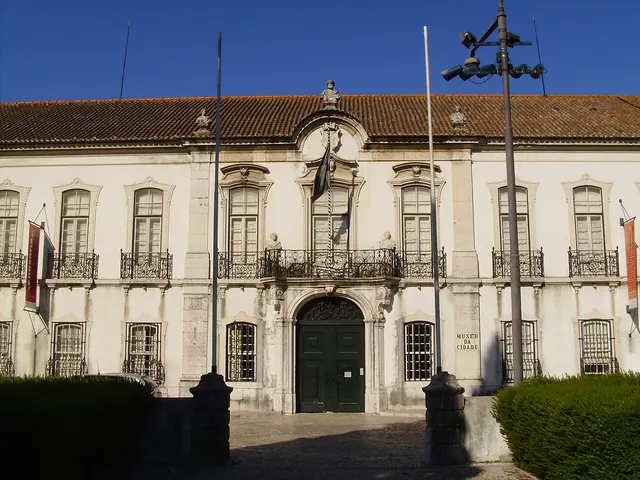
The Núcleo Museológico do Casal da Falagueira (Casal da Falagueira Museum Unit) is the headquarters of the Museu da Amadora, created in April 1998 as a network museum, with several units spread across the municipality. It operates in the Casal da Falagueira de Cima, a rural complex classified as a property of municipal interest, which bears witness to Amadora's agricultural past.
The space aims to preserve that past through its buildings and to present to the public the different moments of the occupation of the territory, with long-term display modules and temporary exhibitions. It has six exhibition areas devoted to local heritage, a shop, a specialised archaeology library for on-site consultation, and an archive of archaeological sites (arquivo de jazidas).
The permanent exhibitions deal with the oldest human presence in the territory, the rural world of Amadora up to the arrival of the railway in 1887, the Aqueduto das Águas Livres, and the early days of aviation in Portugal, with the G.E.A.R. group, which was based in Amadora between 1919 and 1938. The unit organises guided visits to the historical and archaeological heritage of the municipality, the school project “Museu em Ação” (Museum in Action) and the “Escola Aberta do Património” (Open School of Heritage), with lectures.
Highlights
- Headquarters of the Museu da Amadora
- Exhibition “Antes da Amadora” (Before Amadora) on the oldest human presence
- Exhibition on the Aqueduto das Águas Livres
- Aviation in Amadora, with the G.E.A.R. group
- Archaeology library and archive of archaeological sites
Permanent exhibitions
- Antes da Amadora – Presents the oldest human presence in the territory, with the first material remains attributed to the Palaeolithic.
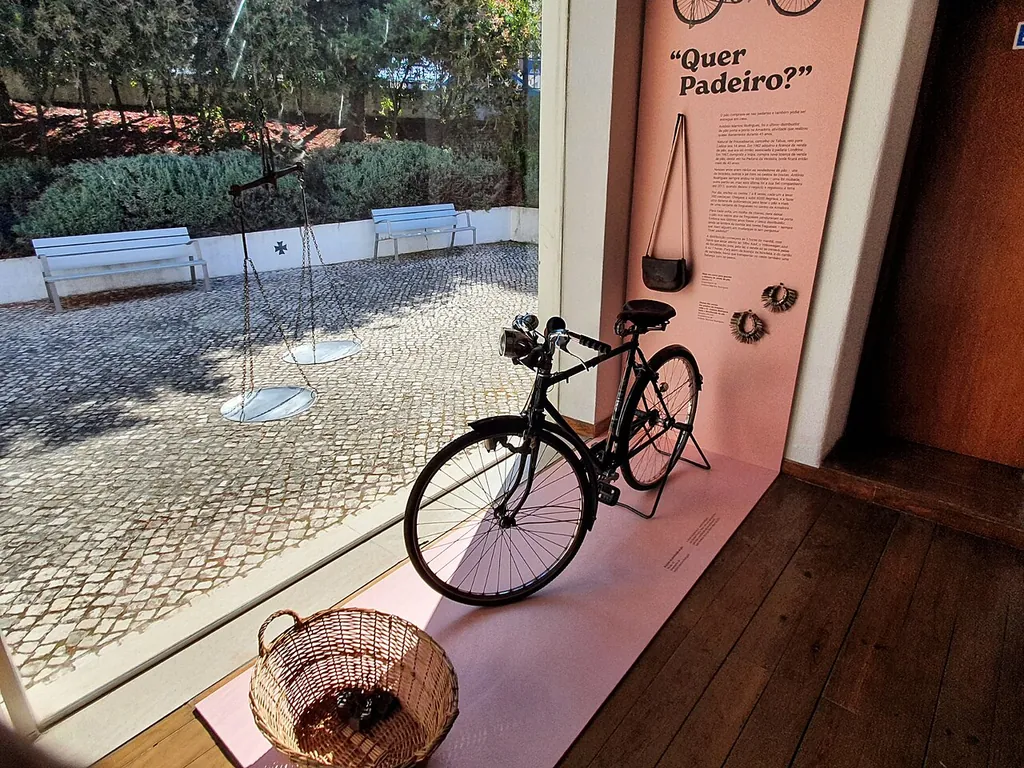
- Amadora Rural – Documents the agricultural character of the territory, from the medieval period to the arrival of the railway in 1887.
- Aqueduto das Águas Livres – Presents the aqueduct, a landmark of the territory since the 18th century, in its various aspects.
- Founded
- 1998
- Operated by
- Câmara Municipal da Amadora
Admission & discounts
The museum hasn’t published any information on this.
Accessibility
The museum hasn’t published any information on this.
Kids & families
The museum hasn’t published any information on this.
Getting there & parking
The museum hasn’t published any information on this.
Amenities & dining
- Museum shop
The unit has a shop and a specialised archaeology library, for on-site consultation.
Events & venue rental
The museum hasn’t published any information on this.
Plan your visit
| Guided tours | yes |
|---|---|
| School programs | yes |
| Good to know | The unit organises guided visits to the historical and archaeological heritage of the municipality, the school project “Museu em Ação” and the “Escola Aberta do Património”. |