Catedral de Pamplona
Gothic cathedral of Pamplona with museum visit: 13th-century cloister, refectory, medieval kitchen, royal mausoleum and the María bell.
Have only individual sections read aloud
About the museum
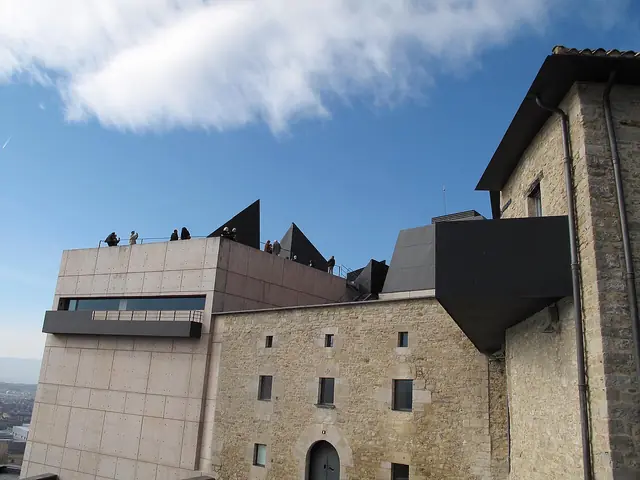
Pamplona Cathedral stands on very ancient Christian buildings: a basilica already existed on the site in the 5th century, destroyed in 924, and between 1004 and 1035 a new church was built. The canons began living in common in 1086 and, between 1100 and 1137, the Romanesque cathedral and its cloister were erected. In 1276, during the Navarrería War, the complex was sacked and the cloister was destroyed.
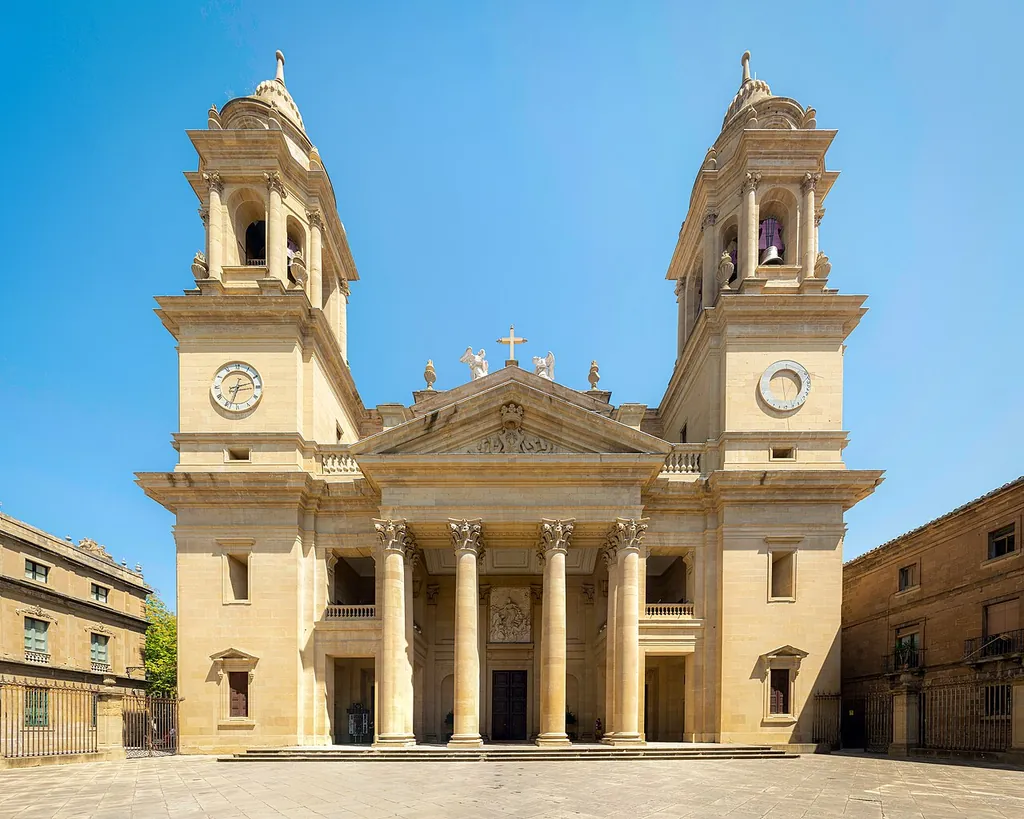
Between 1280 and 1335 the new Gothic cloister was built together with the canons’ quarters. When the Romanesque cathedral collapsed in 1391, the present Gothic church was built in the following century (1394–1501). The Neoclassical façade, by Ventura Rodríguez, and the bell ringer’s house were built between 1782 and 1804.
The chapter was secularised in 1860, and in 1946 the choir was moved from the central nave to the presbytery. The restorations of 1992–1994 uncovered archaeological remains from several periods. The museum opened in 1960 as the Diocesan Museum, and today it allows visitors to walk through the cloister, the refectory, the kitchen, the cilleria (storehouse) and other medieval rooms of the cathedral complex.
Highlights
- Gothic cloister (1280–1330), one of the best preserved in Europe
- Gothic refectory and kitchen, with a central chimney 27 metres high
- Royal mausoleum of Charles III the Noble and Leonor of Trastámara
- Cilleria, the oldest building in the cathedral (late 11th century)
- Sacristía Mayor, decorated in Rococo style
- Climb to the María bell
Permanent exhibitions
- Claustro, refectorio y cocina medievales – Tour of the Gothic cloister (1280–1330), the refectory of around 1330–1335, which also hosted sessions of the Cortes, and the medieval kitchen with its large central chimney.
- Mausoleo real y estancias de la catedral – Includes the tomb of Charles III the Noble and Leonor of Trastámara (1413–1419), the Rococo Sacristía Mayor and the former episcopal residence.
- Founded
- 1960
Admission & discounts
| Adults | €5 |
|---|---|
| Reduced | €4Pensioners and holders of the Carné Joven (youth card) |
| Children & teens | €3free up to age 6 · Children aged 7 to 13: €3; under-7s: free. |
| Seniors | €4Pensioners. |
| Groups (16+ people) | €4 per personGroups of more than 15 people: €4 per person. |
| Pilgrims | €3 |
| School groups (more than 15 people) | €2.50Price per person. |
For other types of admission, please check with the museum.
Accessibility
The museum hasn’t published any information on this.
Kids & families
The museum hasn’t published any information on this.
Getting there & parking
The museum hasn’t published any information on this.
Amenities & dining
The museum hasn’t published any information on this.
Events & venue rental
The museum hasn’t published any information on this.
Plan your visit
| Guided tours | yes |
|---|---|
| Good to know | Guided tour in Spanish every opening day at 12:00 (maximum 25 people). For guided tours in other languages, please use the contact form on the website. The climb to the María bell takes place at 11:15 (Monday to Saturday), after collecting a number. |