Museo Arqueológico Provincial de Badajoz
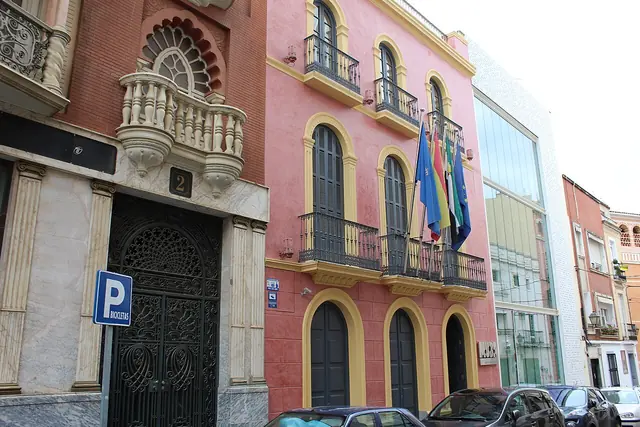
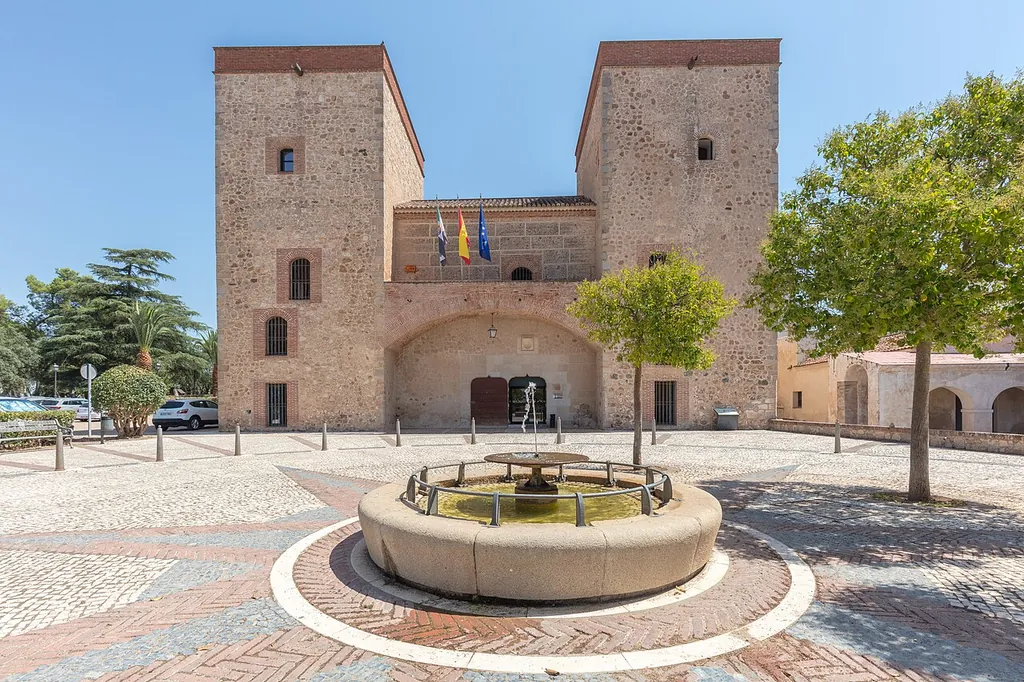
Provincial archaeology museum of Badajoz in the Palacio de los Condes de la Roca, inside the Alcazaba, with pieces from the Palaeolithic to the 16th century.
Have only individual sections read aloud
About the museum
The Museo Arqueológico Provincial de Badajoz was founded in 1867 on the basis of the Comisión Provincial de Monumentos, which gathered objects from disentailed church property and from finds across the province. Its true driving force was Tomás Romero de Castilla, secretary of the Commission until 1904, who documented and catalogued the pieces using criteria that were very advanced for their time.
The collections were first housed in the Palacio de la Diputación and, from 1938, in the La Galera building, a former 16th-century granary poorly suited to use as a museum, which closed to the public in 1978. After years of works in the Palacio de los Condes de la Roca, inside the Alcazaba, the museum reopened there on 25 February 1989.
It is a state-owned museum whose management has been transferred to the Junta de Extremadura. Its permanent exhibition traces the history of the territory in chronological order, from the Lower Palaeolithic to the 16th century, with rooms on Prehistory, warrior stelae, Protohistory, Rome, the Late Roman period, Visigothic architecture, the Islamic period and the medieval Christian era. The Protohistory room reopened in May 2025.
Highlights
- The largest collection of Late Bronze Age warrior stelae
- Pieces from the Medellín necropolis and the Cancho Roano sanctuary
- Remains from El Turuñuelo de Guareña and La Mata de Campanario
- One of the finest collections of decorated Visigothic architecture from the 6th and 7th centuries
- Free audio guide and sign language guide
Permanent exhibition
- Exposición permanente – A chronological tour of the archaeology of the province of Badajoz, from the Lower Palaeolithic to the 16th century, with rooms on Prehistory, warrior stelae, Protohistory, Rome, the Late Roman period, Visigothic architecture, the Islamic period and the medieval Christian era.
- Founded
- 1867
- Operated by
- Junta de Extremadura (titularidad estatal, gestión transferida)
Admission & discounts
The museum hasn’t published any information on this.
Accessibility
- Wheelchair accessible: no information
- Elevator: no information
- Accessible restroom: no information
- Accessible parking
- Service dogs welcome: no information
- Tactile models & exhibits: no information
- Sign language tours: no information
- Easy-to-read materials: no information
- Audio description: no information
The Extremadura tourism portal states that there is accessible parking. The museum offers a sign language guide with subtitles.
Kids & families
- Activity booklet, scavenger hunt or kids’ audio guide
The education department offers downloadable teaching materials for pupils and teachers, organised by historical period and school level, including games and worksheets for the youngest visitors.
Getting there & parking
By car
- Accessible parking
The museum is inside the Alcazaba, on the Plaza de José Álvarez y Sáez de Buruaga.
Get directionsAmenities & dining
- Wi-Fi
Museum Wi-Fi network for accessing the audio guide and the sign language guide from the visitor's mobile phone or tablet.
Events & venue rental
The museum hasn’t published any information on this.
Plan your visit
| Audio guide | yes (ES, EN, PT, FR, DE) |
|---|---|
| School programs | yes |
| Good to know | The audio guide is free and is accessed over Wi-Fi from the visitor's own device; a free sign language guide is also available. Groups and schools should contact the education department (tel. +34 924 001 908, museoba.didactica@juntaex.es). |