Museo de Albacete
Provincial museum with an outstanding archaeology collection, from prehistory to the Islamic period, and art of the 19th and 20th centuries.
Have only individual sections read aloud
About the museum
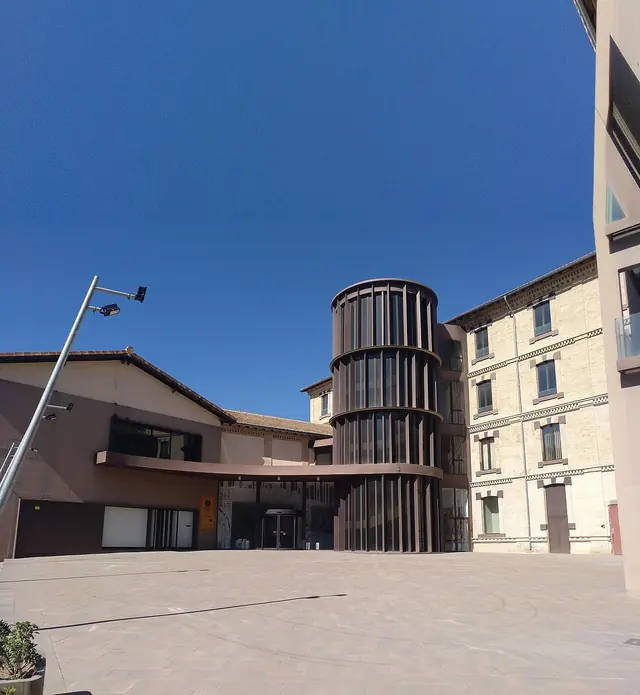
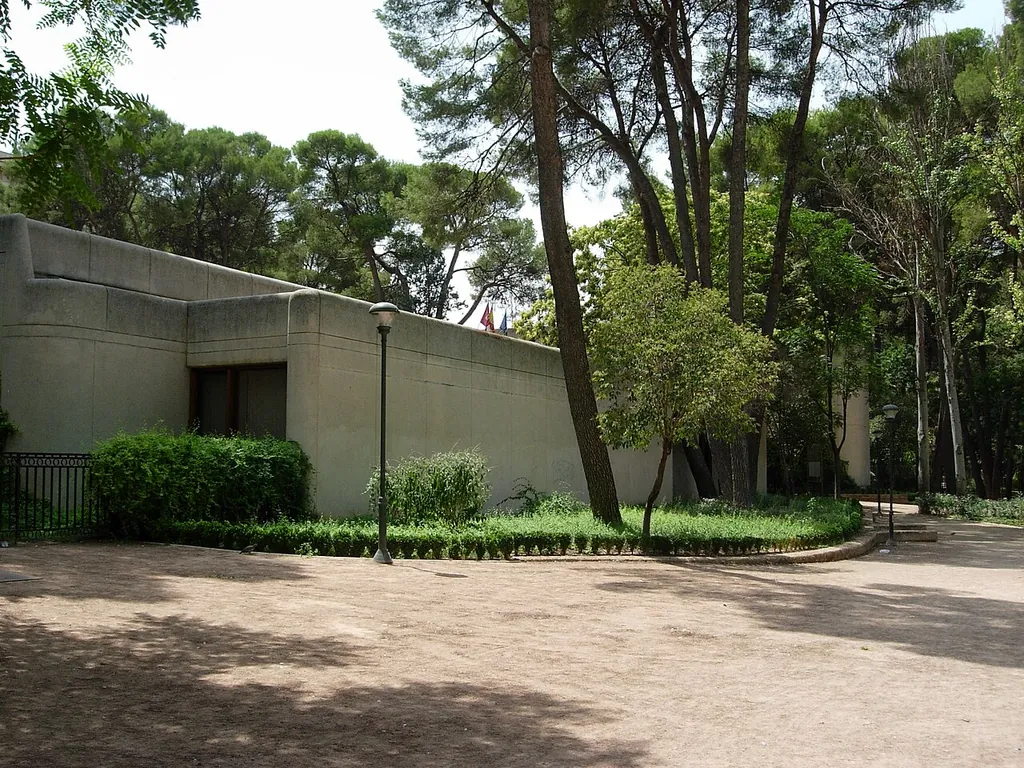
The Museo de Albacete was created by royal decree on 20 March 1867 as the museum of the Comisión Provincial de Monumentos. It opened to the public on 22 June 1927 in the Diputación building, then moved premises in 1943 and 1967, until it settled in 1978 in its current building, designed by the architect Antonio Escario. In 1975, while under state administration, it was given the name Museo de Albacete, and in 1984 its management passed to the Junta de Comunidades de Castilla-La Mancha.
The permanent exhibition focuses on the history and culture of the province. Archaeology occupies nine rooms, which cover prehistory, Iberian sculpture from the 6th to the 1st century BC, inscriptions, sculptures, everyday objects and Roman mosaics, as well as Visigothic and Islamic material, including the Caliphal find from Liétor. The Cruz de término de Albacete is also on display.
A small room brings together works from the 16th to the 18th centuries and local craftwork, such as cutlery and the pottery of Hellín. Three rooms are devoted to 19th- and 20th-century art, with the bust of Francisco Jareño, the donation of Benjamín Palencia and paintings, prints and sculptures. The reserve collections include archaeological finds, coins, art and ethnography, mainly textiles, looms and pottery, and part of the storerooms can be visited. The building also has a 750 m² temporary exhibition hall, a 130-seat auditorium, a library and a teaching room.
Highlights
- Nine archaeology rooms, from prehistory to the Islamic period
- Iberian sculpture from the 6th to the 1st century BC
- Caliphal find from Liétor and Cruz de término de Albacete
- Art of the 19th and 20th centuries, including the donation of Benjamín Palencia
- Reserve storerooms that can be visited
Permanent exhibitions
- Arqueología de la provincia de Albacete – Nine rooms covering prehistory, Iberian culture, the Roman era and the Visigothic and Islamic periods, with pieces such as the Iberian sculpture and the Caliphal find from Liétor.
- Arte de los siglos XIX y XX – Three rooms with painting, prints and sculpture, the bust of Francisco Jareño and the donation of Benjamín Palencia.
- Founded
- 1927
- Operated by
- Junta de Comunidades de Castilla-La Mancha
- Director
- Rubí Sanz Gamo
Admission & discounts
Admission is free.
| Adults | €3 |
|---|---|
| Reduced | €1.50Groups of 10 or more people with a booked visit |
| Children & teens | freefree up to age 17 · Free admission for under-18s, with accreditation. |
| Seniors | freeFree admission for people over 65, with accreditation. |
| Visitors with disabilities | freeFree admission for people with disabilities, with accreditation. |
| Students & apprentices | freeFree admission for students aged 18 to 26, with accreditation. |
| Groups (10+ people) | €1.50 per personGroups of 10 or more people with a booked visit. |
Free admission: Wednesdays and Saturdays 16:30–19:00, Sundays 9:30–14:00, and 18 and 31 May.
The museum's website currently states that admission is temporarily free, with no end date. The ordinary rates are €3 for general admission and €1.50 for reduced admission. Teachers, guides, journalists and researchers also enter free, on presentation of accreditation. Tickets are bought at the ticket office or online.
Accessibility
- Wheelchair accessible
- Elevator
- Accessible restroom: no information
- Accessible parking: no information
- Service dogs welcome: no information
- Tactile models & exhibits: no information
- Sign language tours: no information
- Easy-to-read materials: no information
- Audio description: no information
All public areas are accessible to people with reduced mobility by lift, ramps and stairlifts.
Kids & families
The museum hasn’t published any information on this.
Getting there & parking
The museum hasn’t published any information on this.
Amenities & dining
The building is air-conditioned in all rooms and has a 130-seat auditorium, a library, a researchers' room and a teaching room.
Events & venue rental
The museum hasn’t published any information on this.
Plan your visit
| School programs | yes |
|---|---|
| Good to know | The museum's education department runs workshops for schoolchildren that combine theory and practice. There are visit guides in PDF, a guide for teachers and educational resources in Spanish and English. |