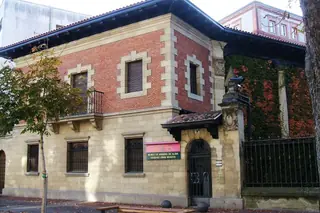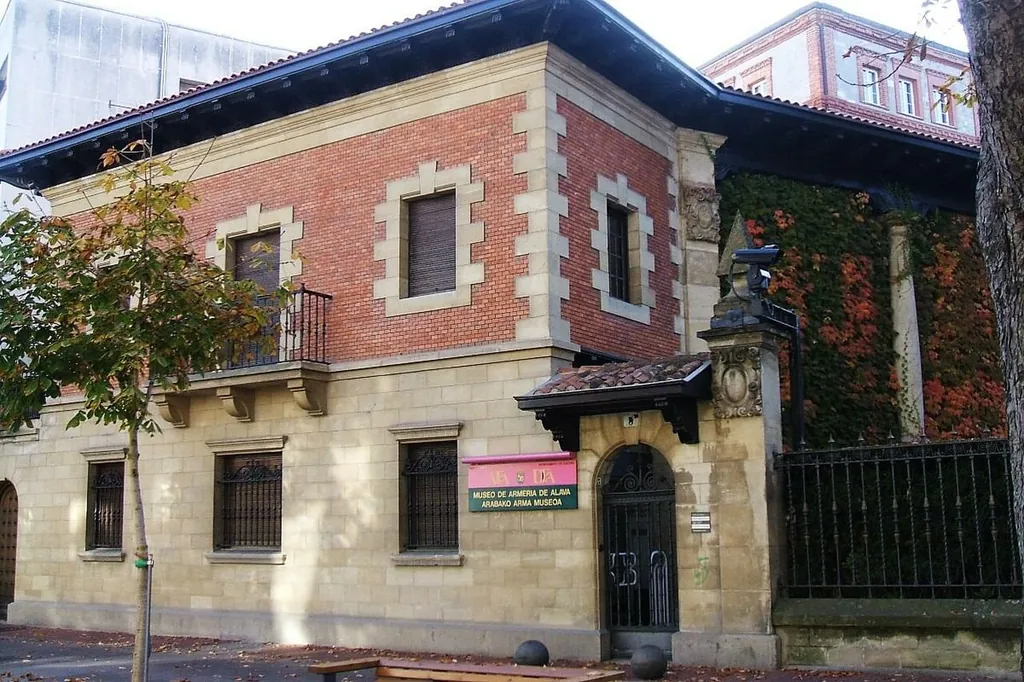
Museo de Armería de Álava
More than 1,500 weapons and related pieces from prehistory to the 20th century, with a section on the Battle of Vitoria of 1813.
Have only individual sections read aloud
About the museum
From 1941 a collection of weapons from the 15th to the 18th centuries was on display at the Casa de Álava, or Provincial Museum. In 1963, on the 150th anniversary of the Battle of Vitoria, a large exhibition on the War of Independence was set up in the El Portalón building, with pieces from the Provincial Council, the City Council and private individuals, including the businessman and collector Félix Alfaro Fournier, who had gathered weapons from different countries and periods.
The success of the exhibition led to a permanent museum. In 1966 Alfaro Fournier donated his collection to the Provincial Council of Álava, and the same year the Armería Museum opened, alongside the Archaeology Museum, in the Casa Armera of the Gobeo-Guevara San Juan family, in the heart of the old town. Space soon ran short and, when the Provincial Council acquired the Ajuria Enea building for the Museo de Arte Vasco (Basque Art Museum), one of its annexed buildings was adapted. All the holdings were moved there in 1975, and the museum remains there.
The collection exceeds 1,500 pieces, including offensive and defensive weapons and equipment, from prehistory to the early 20th century. The permanent exhibition occupies two floors and follows a chronological order; it includes weapons of the Metal Ages, medieval crossbows, armour, firearms and a section on African, Oriental and Arab weapons. A special chapter is devoted to the Battle of Vitoria of 1813, with personal objects, weapons, models and dioramas.
Highlights
- Milanese armour from the late 16th or early 17th century
- Campaign chest of the Duke of Wellington (around 1813)
- Japanese samurai armour
- German crossbows and wheellock pistols
- Scabbard and dagger of the Monte Bernorio type (4th century BC)
- Section devoted to the Battle of Vitoria of 1813
Permanent exhibition
- Exposición permanente de armas – Chronological route over two floors through weapons and equipment from prehistory to the early 20th century, with a chapter on the Battle of Vitoria of 1813.
- Founded
- 1966
- Operated by
- Diputación Foral de Álava
Admission & discounts
Admission is free.
Accessibility
- Wheelchair accessible
- Elevator
- Accessible restroom
- Accessible parking: no information
- Service dogs welcome
- Tactile models & exhibits: no information
- Sign language tours: no information
- Easy-to-read materials: no information
- Audio description: no information
Accessible entrances, toilets and lifts. Free wheelchairs and walking-stick seats, which are requested at reception. Adapted counter, induction loop at reception and a kit with technical aids for reading.
Kids & families
Great for kids & families
- Family tours & workshops
The museum offers educational programmes, teaching workshops and family programmes, as well as a play area for children.
Getting there & parking
The museum hasn’t published any information on this.
Amenities & dining
The museum hasn’t published any information on this.
Events & venue rental
The museum hasn’t published any information on this.
Plan your visit
| Guided tours | yes |
|---|---|
| Audio guide | yes |
| School programs | yes |
| Good to know | Free audio guides at reception; the content is also available on mobile phones via QR codes. Guided and facilitated visits and workshops are booked on 945 101 070 or at educacionymuseos@kalearte.com. Specialised library, consultation by prior appointment (Tuesday to Friday, 10:00–14:00). |
Museums nearby
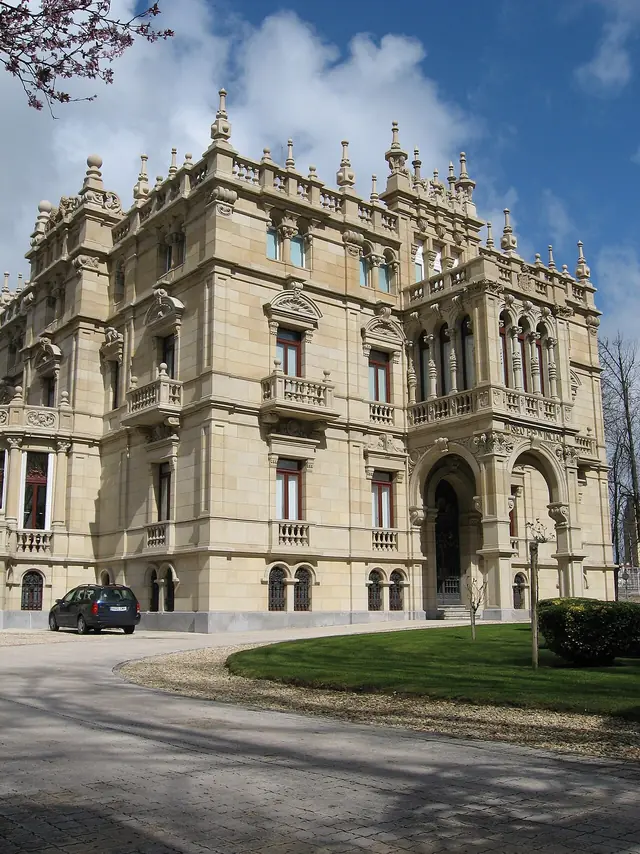
Museo de Bellas Artes de Álava
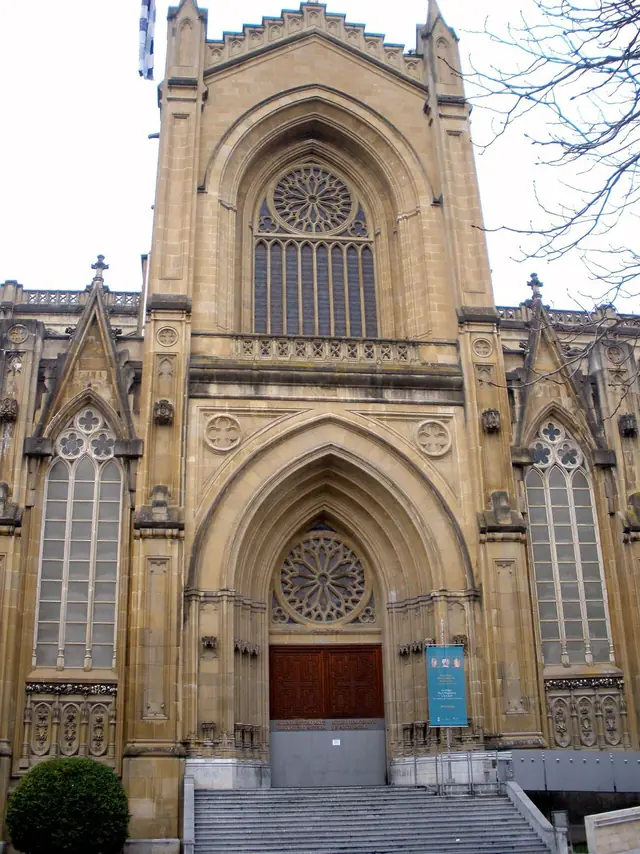
Museo Diocesano de Arte Sacro de Vitoria-Gasteiz
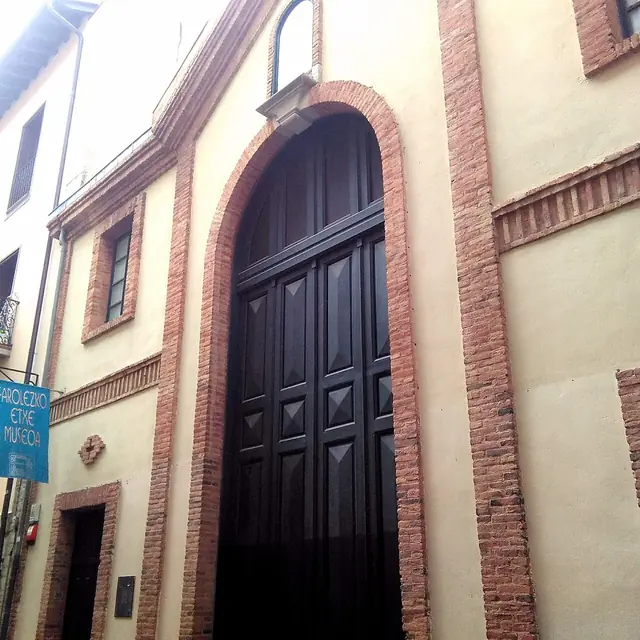
Museo de los Faroles de Vitoria
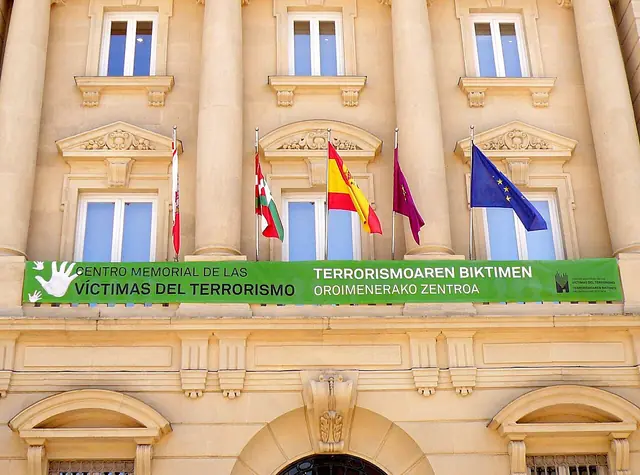
Centro Memorial de las Víctimas del Terrorismo
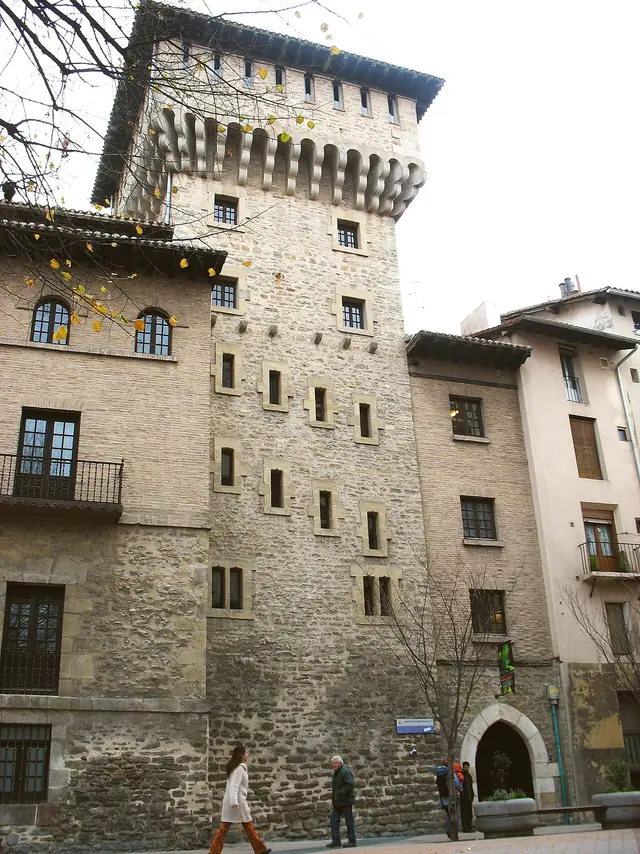
Museo de Ciencias Naturales de Álava
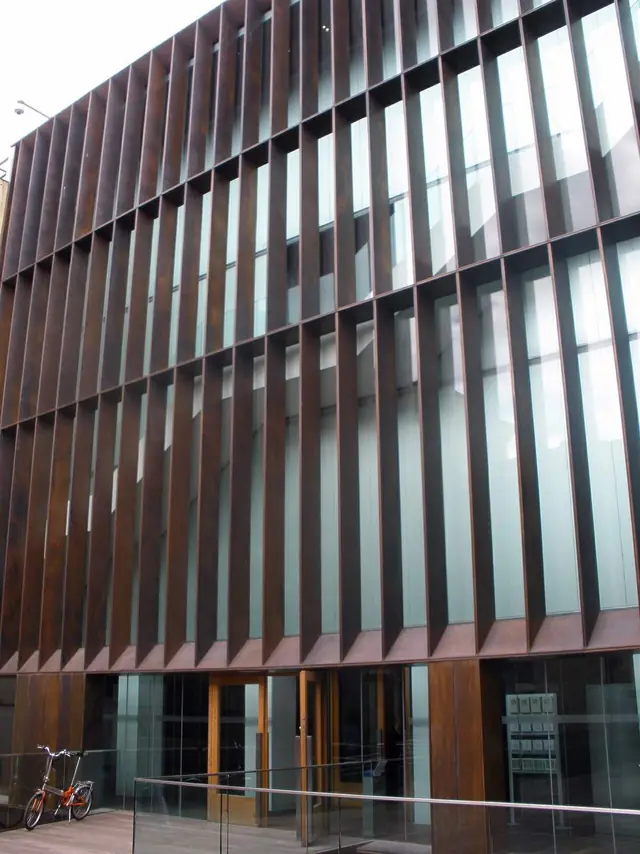
Museo de Arqueología de Álava
All 10 museums in Vitoria-Gasteiz All museums in Basque Country