Museo de Bellas Artes de Álava
Museum in an early 20th-century palace with Basque art from 1850 to 1950 and Spanish painting of the 18th and 19th centuries.
Have only individual sections read aloud
About the museum
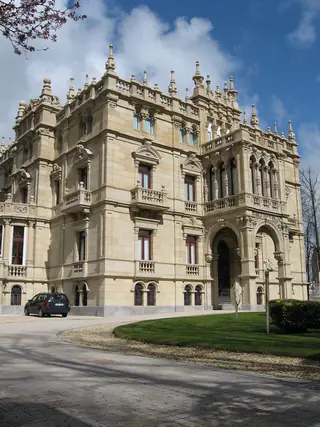
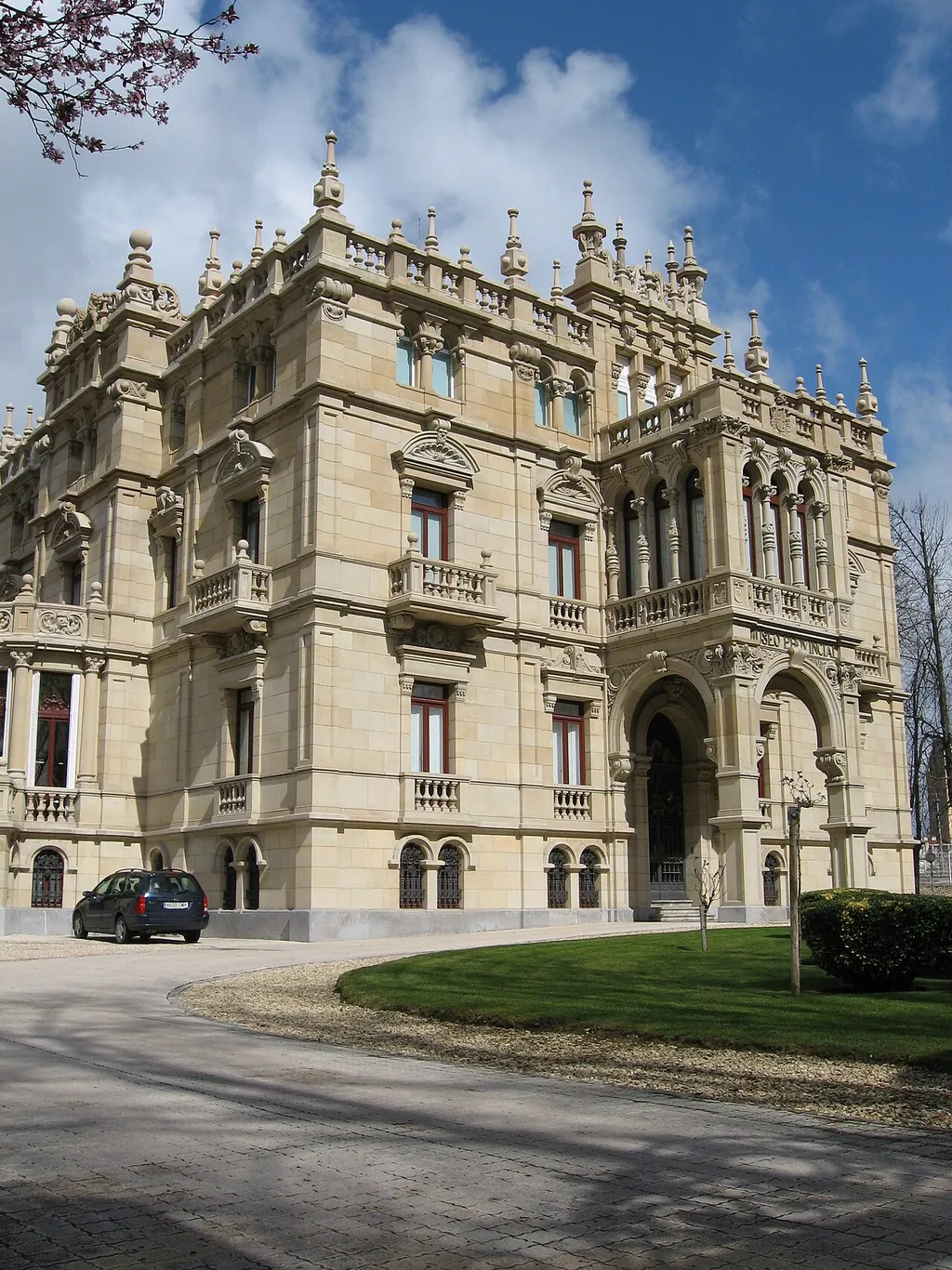
The palace housing the museum was built between 1912 and 1916 by Elvira Zulueta and Ricardo Augustin, to designs by the architects Javier de Luque and Julián de Apraiz, on the Paseo de Fray Francisco, a noble area of Vitoria’s 19th-century extension. In 1941 the Diputación Foral de Álava bought it to install the Casa de Álava, which from 1942 brought together the provincial art and archaeology museums, the archive and library, the playing-card museum and the numismatic collection. The museum also notes that the Zulueta family’s fortune came from the trade in enslaved people in Cuba, and since 2026 it has displayed the sculpture “Rastro” by Irati Antia, in memory of the victims.
Over time the collections separated: archaeology and arms moved to their own premises in the 1960s; in 1965 a pavilion was built to show the legacy of the painter from Álava Fernando de Amárica permanently; and from the 1970s a collection of Spanish contemporary art was formed. In 1999 the museum closed for a renovation that included a new entrance building without architectural barriers; the classical works went to the Museo Diocesano de Arte Sacro and the contemporary art, in 2002, to Artium.
It reopened in 2001 with three sectors: the original palace, the 1960s extension and the new entrance building. Today it focuses on Spanish art of the 18th and 19th centuries and, more specifically, on Basque art from 1850 to 1950, with attention to Álava artists such as Ignacio Díaz Olano and Fernando de Amárica. The palace was declared a Monumento Histórico-Artístico in 1962 and a Bien Cultural in 2003.
Highlights
- Basque painting from 1850 to 1950: Darío de Regoyos, Aurelio Arteta, Ignacio Zuloaga or Francisco Iturrino
- Rooms devoted to Ignacio Díaz Olano and Fernando de Amárica
- Spanish art of the 18th and 19th centuries: Vicente López, the Madrazo family, Carlos de Haes or Sorolla
- Palace of 1912–1916 with a neo-Gothic chapel and stained glass by the Maumejean firm
- Museum garden, visible from the Paseo de Fray Francisco
Permanent exhibition
- Colección permanente – Basque art from 1850 to 1950, single-artist rooms for Ignacio Díaz Olano and Fernando de Amárica, and a collection of Spanish art of the 18th and 19th centuries.
- Founded
- 1942
- Operated by
- Diputación Foral de Álava
Admission & discounts
Admission is free.
Accessibility
- Wheelchair accessible
- Elevator
- Accessible restroom
- Accessible parking: no information
- Service dogs welcome
- Tactile models & exhibits: no information
- Sign language tours: no information
- Easy-to-read materials: no information
- Audio description: no information
Accessible entrances, toilets and lifts; the entrance building was constructed without architectural barriers. Free wheelchairs. Adapted counter, induction loop at reception and a kit with technical aids for reading.
Kids & families
The museum hasn’t published any information on this.
Getting there & parking
The museum hasn’t published any information on this.
Amenities & dining
- Coat check
Visitor information point, consultation and sale of publications, and cloakroom. Specialist library available by prior appointment (945 181 919 / 945 155 226).
Events & venue rental
The museum hasn’t published any information on this.
Plan your visit
| Guided tours | yes |
|---|---|
| Audio guide | yes (EU, ES, EN, FR) |
| Good to know | Free audioguides in Basque, Spanish, English and French. Guided tours are booked on 945 101 070 or at educacionymuseos@kalearte.com. Museum leaflet in Basque, Spanish, English and French. |
Museums nearby
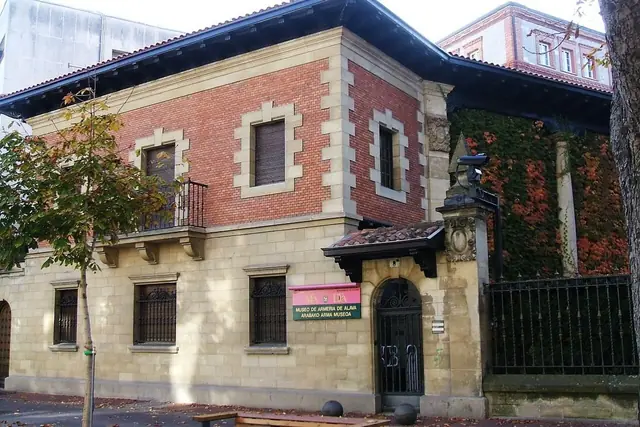
Museo de Armería de Álava
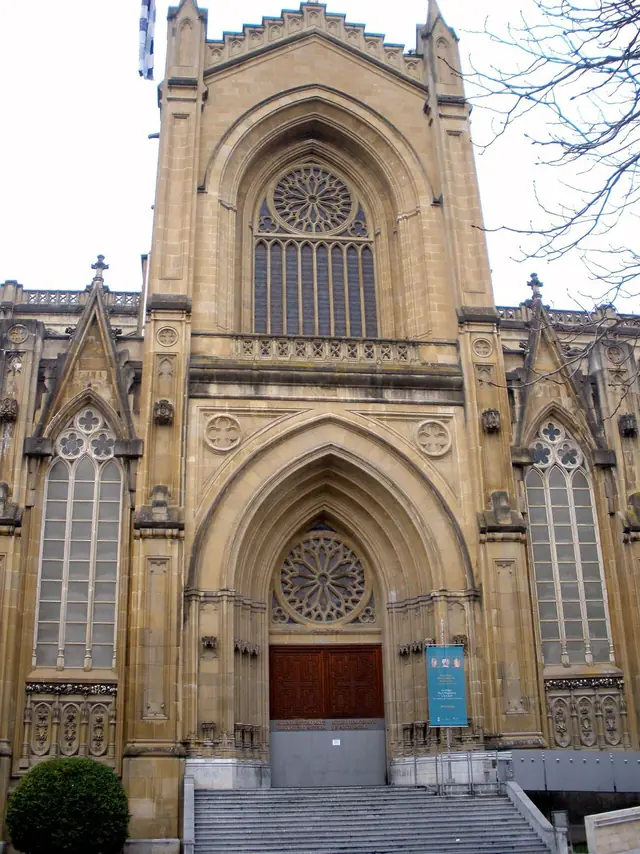
Museo Diocesano de Arte Sacro de Vitoria-Gasteiz
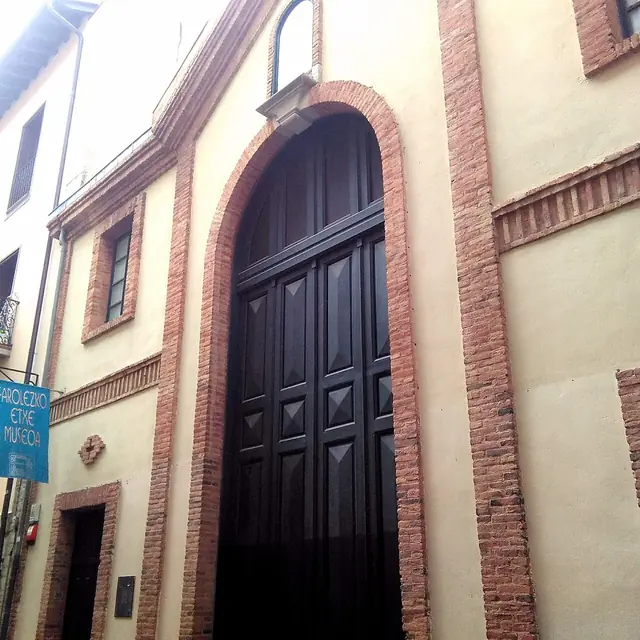
Museo de los Faroles de Vitoria
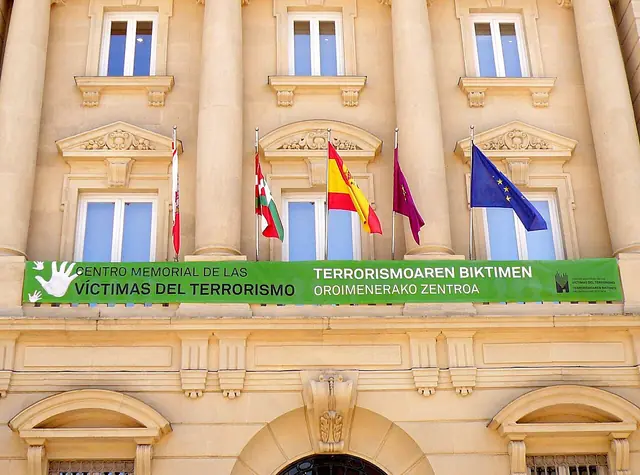
Centro Memorial de las Víctimas del Terrorismo
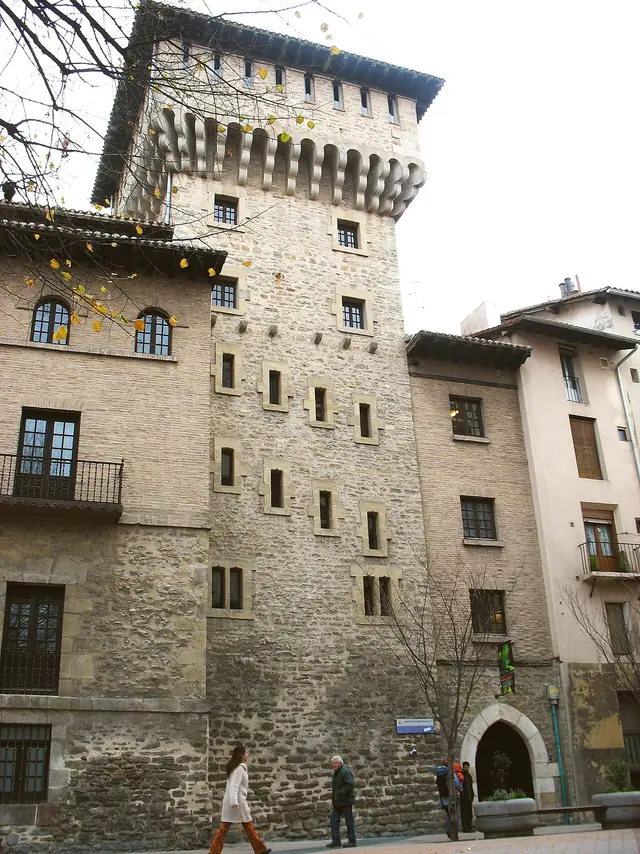
Museo de Ciencias Naturales de Álava
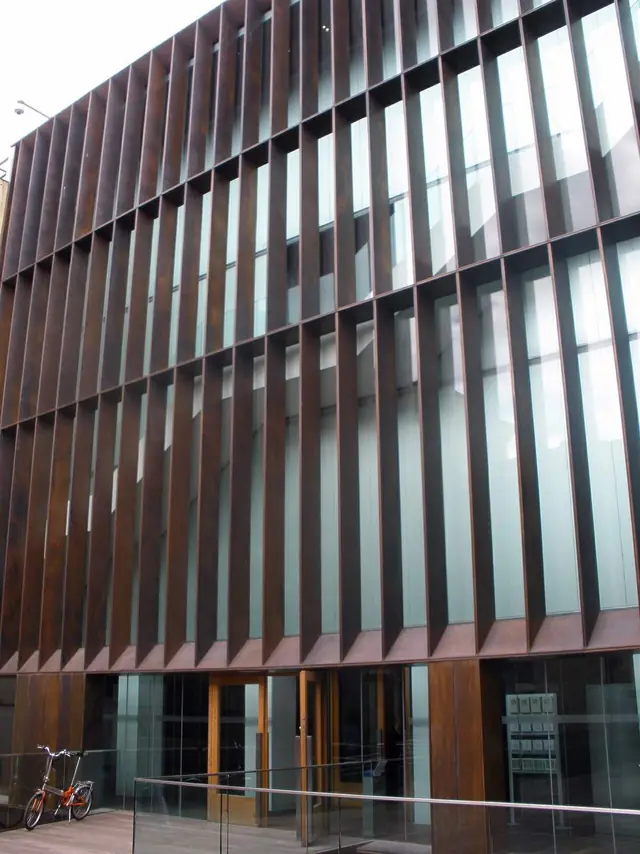
Museo de Arqueología de Álava
All 10 museums in Vitoria-Gasteiz All museums in Basque Country