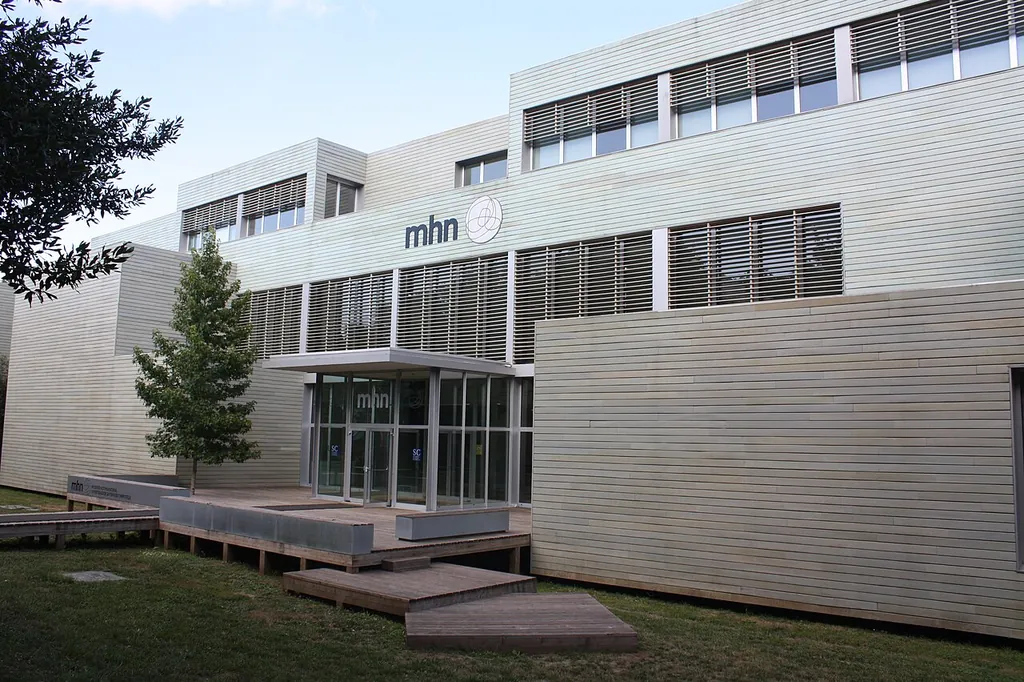
Museo de Historia Natural Luís Iglesias
University natural sciences museum in the Vista Alegre park, with halls on biodiversity, geodiversity and soil, and on marine biodiversity.
Have only individual sections read aloud
About the museum
The museum grew out of the Natural History Cabinet that the University of Santiago set up around 1840–1841, after the chair of the subject was established in 1839, with Antonio Casares as its first head. In 1906 the cabinet became a museum, housed in the building now occupied by the Faculty of Geography and History. In 1961 it moved to the former Faculty of Sciences, today the Faculty of Chemistry, where it was able to organise a permanent exhibition by theme rooms, and in 1965 it took the name Luís Iglesias Iglesias, after the director who held the post for the longest time.
After about fifty years in cramped premises, on 8 October 2014 the museum opened in a new building in the Vista Alegre park, marking a new phase for its exhibitions and activities. The collections have been built up since the mid-19th century through contributions from university professors, scientists, naturalists, private individuals and institutions.
The museum holds botanical, zoological and geological collections. Notable among them are a collection of wooden crystal models based on the system of Haüy, unique in Spain, the malacology collection of Emilio Rolán and more than a thousand type specimens, mostly molluscs, available to the scientific community. The halls reproduce ecosystems in realistic settings.
Highlights
- Halls on biodiversity, terrestrial biodiversity, geodiversity and soil, and marine biodiversity
- Haüy collection of wooden crystal models, unique in Spain
- Emilio Rolán malacology collection and more than 1,000 type specimens
- Ecosystems reproduced in realistic settings
- New building in the Vista Alegre park, opened in 2014
Permanent exhibitions
- Biodiversidad y Biodiversidad Terrestre – Ground-floor halls on the diversity of life and terrestrial ecosystems, including Galician forests and inland waters.
- Geodiversidad y Suelo – First-floor hall on geology, minerals and soil.
- Biodiversidad Marina – First-floor hall devoted to life in the sea.
- Founded
- 1906
- Operated by
- Universidade de Santiago de Compostela
- Director
- Javier Iglesias
Admission & discounts
| Adults | €3.50 |
|---|---|
| Reduced | €2.50Students, teaching staff, unemployed people, people with disabilities, under-18s and retirees |
| Children & teens | €2.50free up to age 2 · Reduced rate for under-18s; free up to age 2 (under 3). |
| Seniors | €2.50Reduced rate for retirees. |
| Visitors with disabilities | €2.50Reduced rate for people with disabilities. |
| Students & apprentices | €2.50Reduced rate for students. |
| Groups (15+ people) | €6 per personPer person, guided visit for groups of 15 to 60 people; €5 for students and teaching staff not affiliated with the USC, under-18s and retirees. |
| Families | €2.50Per person, with a minimum of one adult and one child. |
| Holders of a USC TUI card | €1.50 |
| Group visit without a guide (legal entities) | €1.50Per person. |
Free admission: First Wednesday of each month and 18 May (International Museum Day).
Free admission also for members of the Association of Friends of the Natural History Museum and for children under 3. Group visits, with or without a guide, require prior booking.
Accessibility
The museum hasn’t published any information on this.
Kids & families
The museum hasn’t published any information on this.
Getting there & parking
The museum hasn’t published any information on this.
Amenities & dining
The museum hasn’t published any information on this.
Events & venue rental
The museum hasn’t published any information on this.
Plan your visit
| Guided tours | yes |
|---|---|
| School programs | yes |
| Good to know | The visit to the permanent exhibition can be made with or without a guide. Guided group visits must be booked in advance (Tuesday to Saturday, in slots of 10:00–12:00, 12:00–14:00 and 17:00–19:00; the afternoon slot is only for small groups of up to 30 people and subject to confirmation) and include a tour of the halls and an educational activity in which participants act as scientists. |
Museums nearby
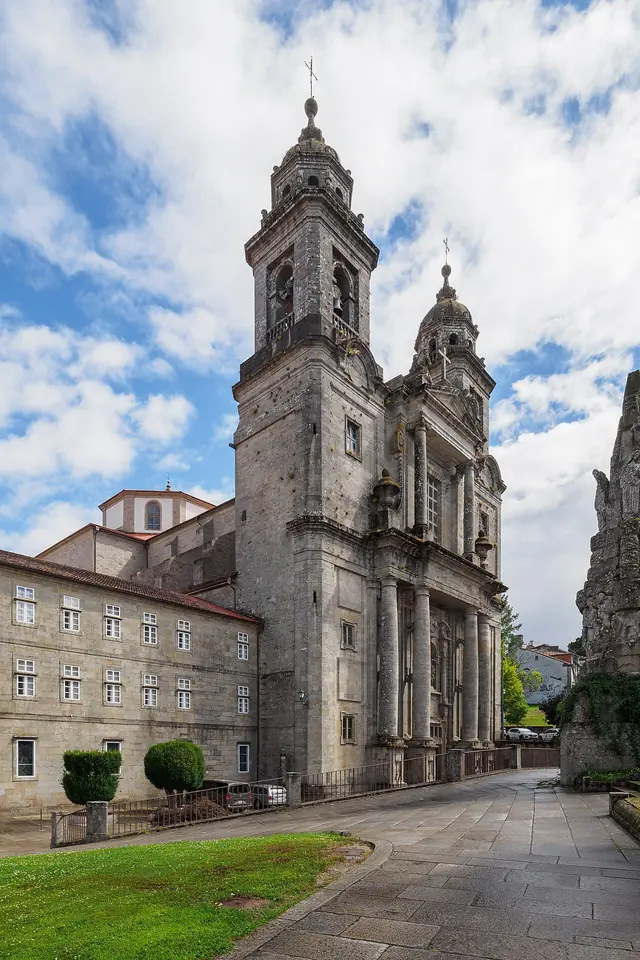
Museo de Terra Santa
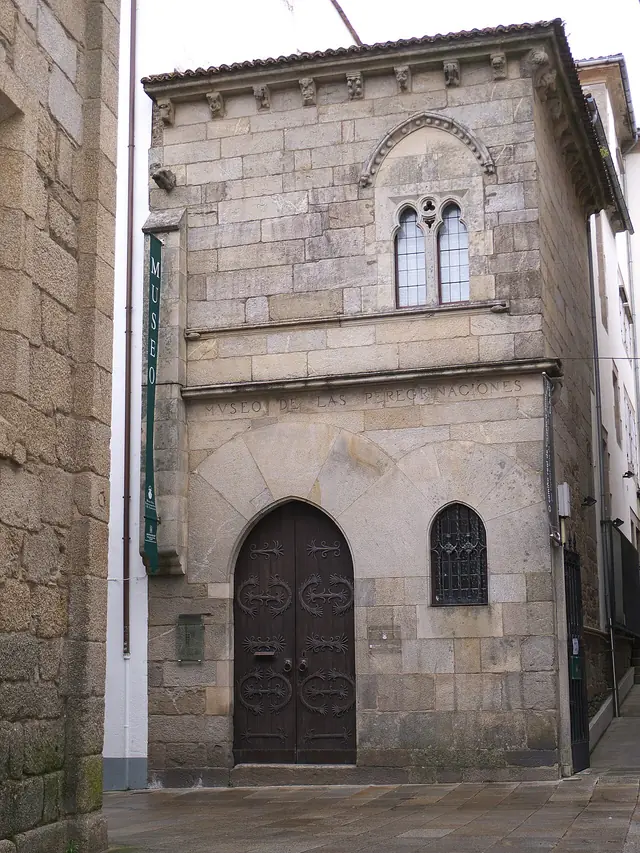
Museo das Peregrinacións e de Santiago
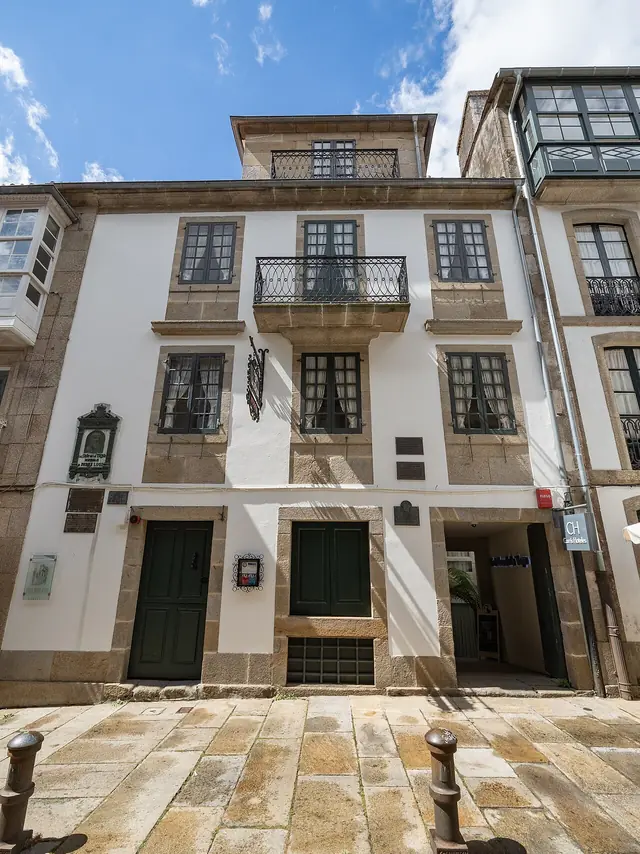
Museo Casa da Troia
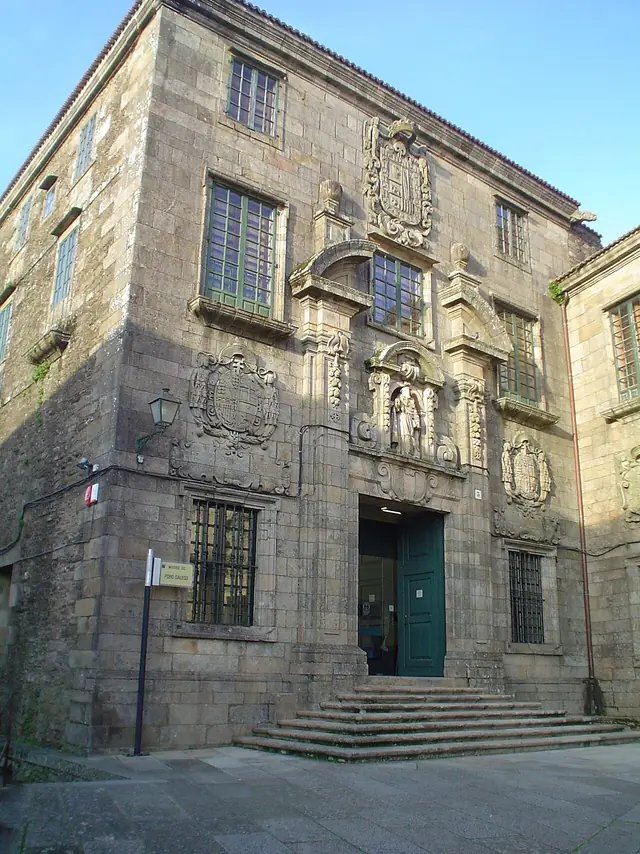
Museo do Pobo Galego
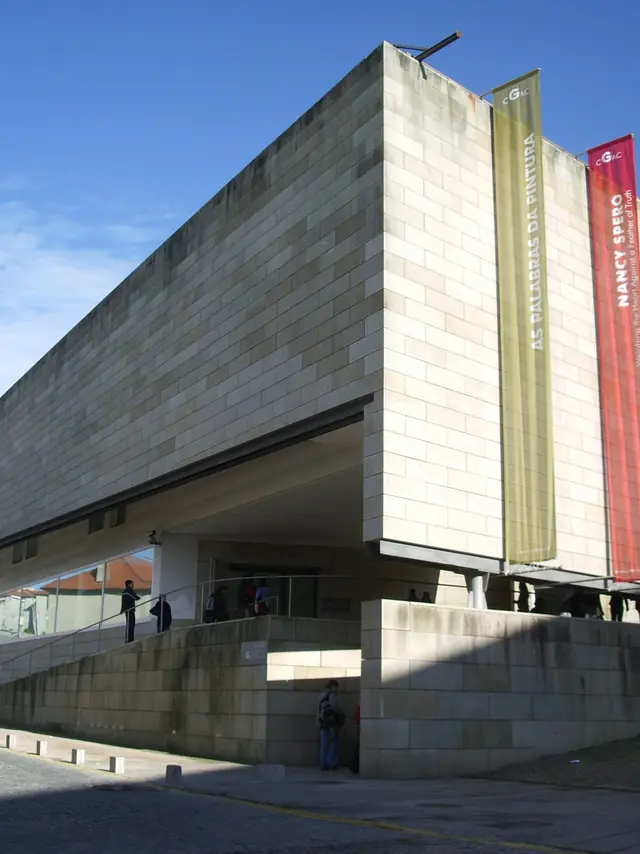
Centro Galego de Arte Contemporánea
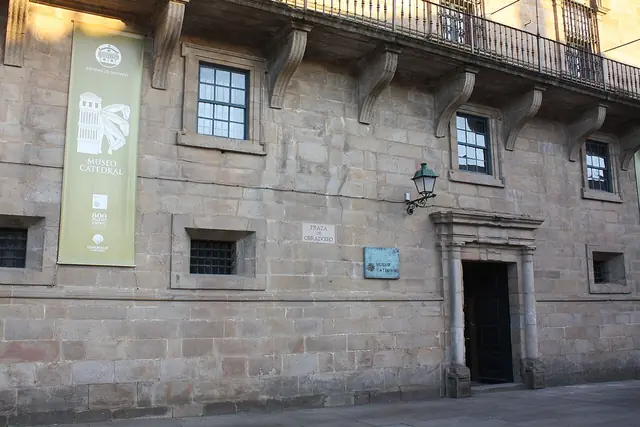
Museo Catedral de Santiago
All 14 museums in Santiago de Compostela All museums in Galicia