Museo de la Semana Santa de Cuenca
Museum of the Junta de Cofradías (Council of Brotherhoods) in the historic centre of Cuenca, with more than 150 pieces, a multimedia display and a space dedicated to the sculptor Marco Pérez.
Have only individual sections read aloud
About the museum
The Museo de la Semana Santa de Cuenca opened its doors on 10 May 2007. For years the Junta de Cofradías, made up of thirty-two brotherhoods, had pursued the idea of a museum that would show the splendour of Holy Week in Cuenca outside the dates of the processions. On 12 November 2008 the Fundación del Museo de la Semana Santa de Cuenca was established, with institutional and private patrons, to ensure its continuity.
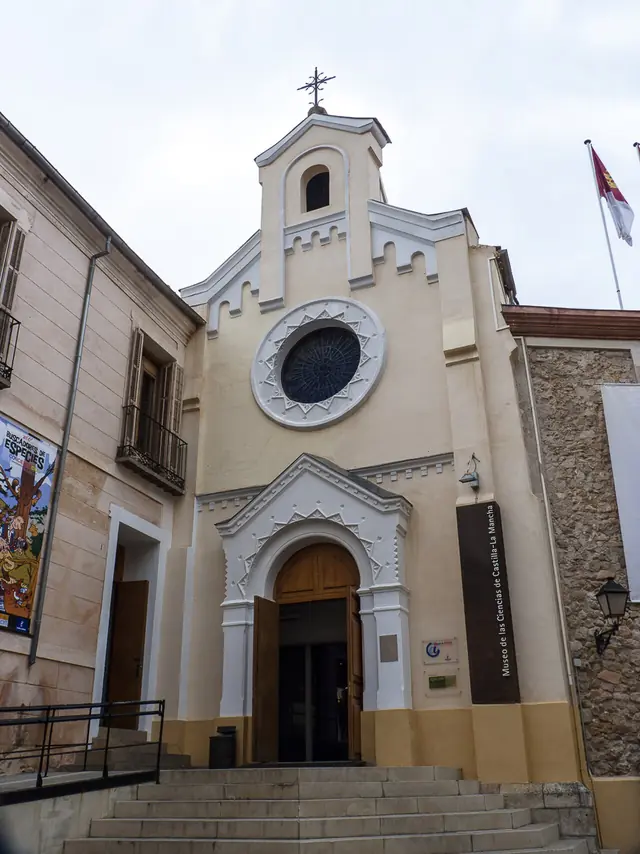
The museum occupies two of the six floors of the building that houses the Junta de Cofradías, the former Palacio de Girón y Cañizares, in the heart of the historic centre. The ground floor begins with the Cristo de Marfil (Ivory Christ), a carving of Philippine origin from the late 16th or early 17th century, and a large mural by the Cuenca artist Miguel Zapata. Next is an immersive audiovisual room with projection on three screens and interactive monitors.
The upper floor takes visitors through the sensations of each day of Holy Week with light, music and the sound of drums, supported by pieces lent by the brotherhoods: Isabelline-style tunics, velvet capes, crowns, lanterns, banners, documents from the 17th and 18th centuries and a San Juan of 1902. Since 2014 the Espacio Marco Pérez has offered an exhibition on the life and the civil and religious work of this sculptor from Cuenca.
Highlights
- Ivory Christ of Philippine origin from the late 16th century
- Immersive audiovisual room with projection on three screens
- Mural by Miguel Zapata and atmospheric rooms
- Tunics, capes, crowns and historic items from the brotherhoods
- Espacio Marco Pérez, dedicated to the sculptor Luis Marco Pérez
Permanent exhibitions
- Recorrido por la Semana Santa de Cuenca – Two floors with a multimedia display, an immersive audiovisual room and more than 150 pieces from the brotherhoods and from Cuenca's religious imagery.
- Espacio Marco Pérez – Rooms dedicated to the life, civil work and religious work of the sculptor Luis Marco Pérez, with sketches, drawings and sculptures.
- Founded
- 2007
- Operated by
- Fundación del Museo de la Semana Santa de Cuenca
Admission & discounts
| Adults | €3 |
|---|---|
| Reduced | €1.50Pensioners, unemployed people, people with disabilities and groups. |
| Children & teens | freefree up to age 11 · Free admission for under-12s. |
| Seniors | €1.50Reduced admission for pensioners. |
| Visitors with disabilities | €1.50Reduced admission for people with disabilities. |
| Groups | €1.50 per personReduced rate for groups. |
| Espacio Marco Pérez | €0.50Not included in the free admission. |
Free admission for children under 12 and for Friends of the Museum. The Espacio Marco Pérez has a separate price of €0.50, which also applies to those with free admission.
Accessibility
- Wheelchair accessible
- Elevator: no information
- Accessible restroom: no information
- Accessible parking: no information
- Service dogs welcome: no information
- Tactile models & exhibits: no information
- Sign language tours: no information
- Easy-to-read materials: no information
- Audio description: no information
The museum's website describes it as fully accessible for people with disabilities.
Kids & families
The museum hasn’t published any information on this.
Getting there & parking
By public transit
Iglesia de San Felipe Neri · 100 m
Urban bus lines 1 and 2, with stops at Puerta de San Juan and at Iglesia de San Felipe Neri.
By car
Parking available
Parking Mangana.
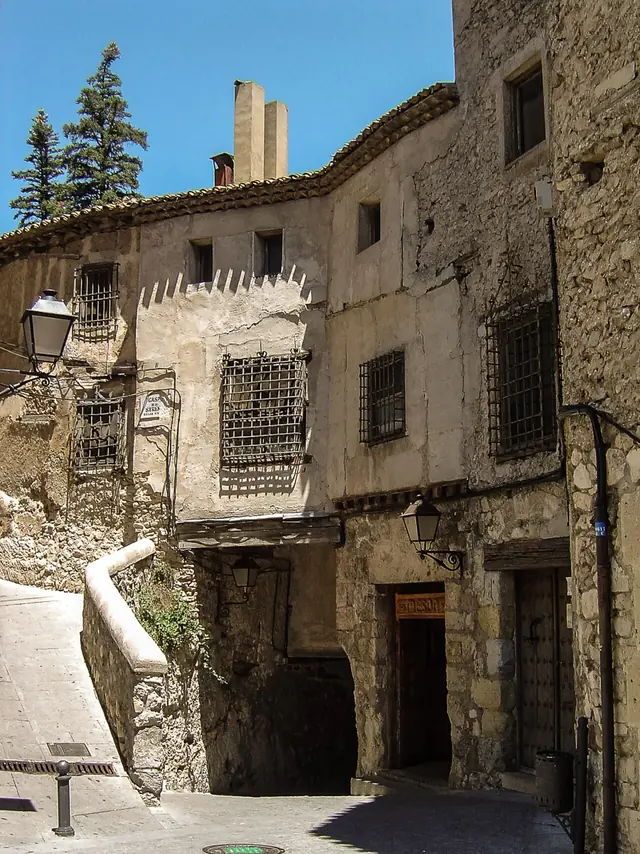
The museum is in the historic centre, about 100 metres from the Iglesia de San Felipe Neri and about 300 metres from the Plaza Mayor.
Get directionsAmenities & dining
- Museum shop
The Tienda Nazarena shop is in the museum.
Events & venue rental
The museum hasn’t published any information on this.
Plan your visit
| Good to know | The museum organises temporary exhibitions, lectures and other cultural activities. |
|---|