Museo Histórico-Minero "Don Felipe de Borbón y Grecia"
University museum of the Madrid School of Mines, with a large collection of minerals, fossils, lamps and mining instruments.
Have only individual sections read aloud
About the museum
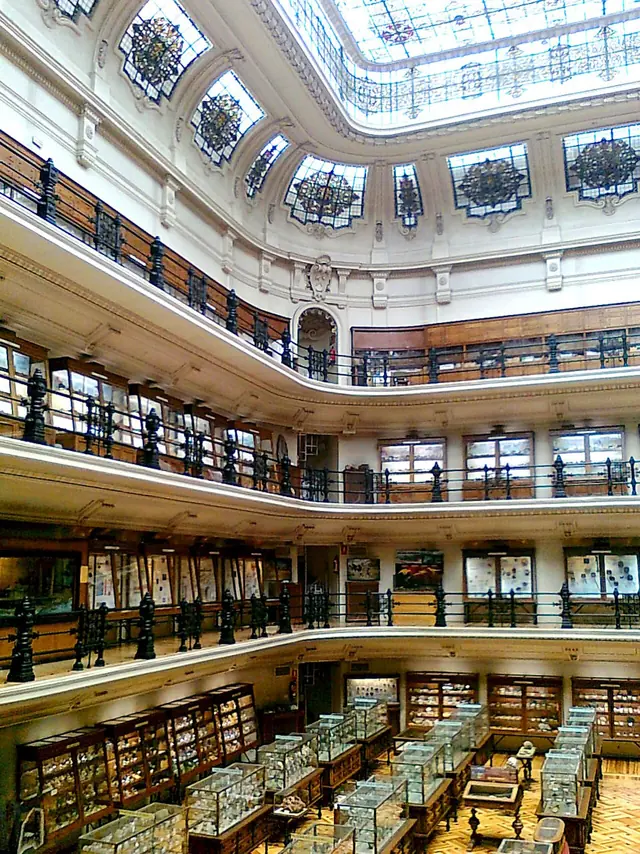
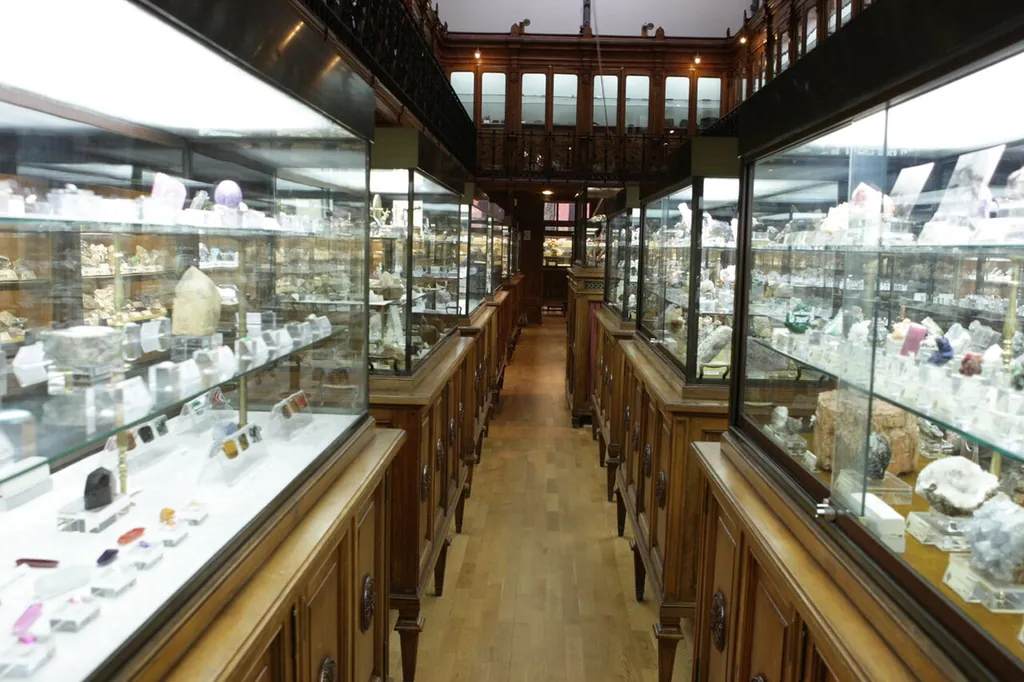
The museum's collection dates back to 1831, when the Dirección General de Minas bought 309 specimens from the Royal Academy of Freiberg in Saxony to illustrate the external characteristics of minerals. In the following two decades other collections arrived, such as those of Ciriaco González Carvajal, Fausto Elhuyar and Doctor Roatzsch, and by 1850 the cabinet already held 4,228 minerals from historic mines in Europe and America.
Throughout the 19th century and the beginning of the 20th, new donations and purchases were added, including 236 specimens sent from the Philippines in 1897. The most important collection is the donation of the Marquis of La Ribera, with 2,841 pieces from the collection of the Marquis of Elduayen, catalogued in 1927 and revised in 1990, which is displayed separately. Between 1927 and 1983 the museum lost its activity as a study cabinet, until a new impetus reorganised the holdings and established exchanges with other museums.
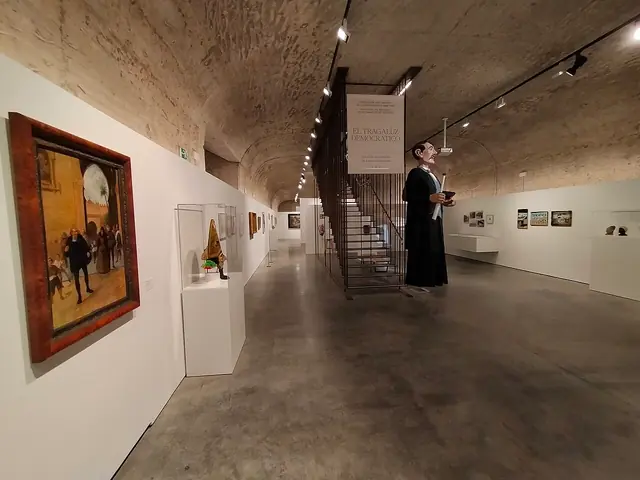
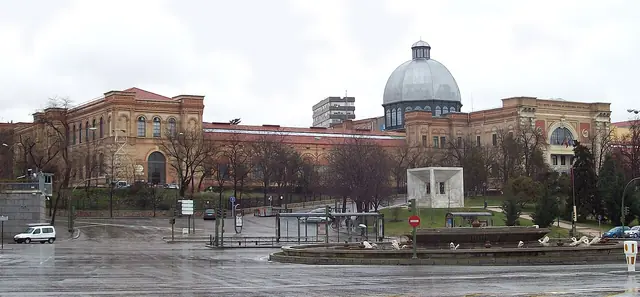
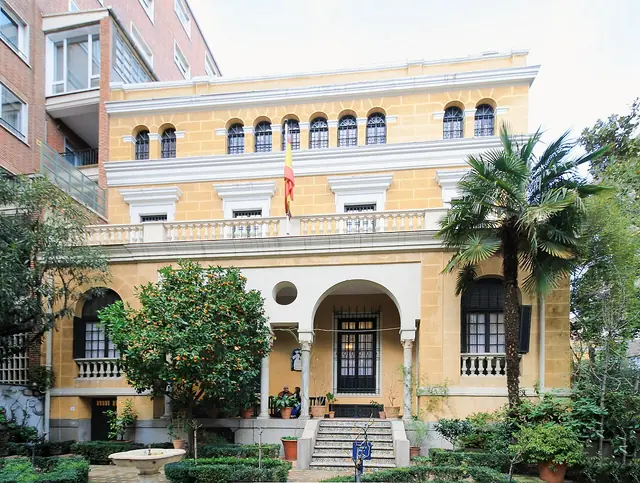
In 1988 Prince Felipe de Borbón y Grecia agreed to give his name to the museum, whose first two sections opened on 12 December that year. Today it occupies the first floor of the historic building of the Escuela de Ingenieros de Minas y Energía (School of Mining and Energy Engineers) of the Universidad Politécnica de Madrid, designed by Ricardo Velázquez Bosco, and it also keeps fossils, an archaeological collection, mining lamps, measuring instruments and models.
Highlights
- Mineral collection with more than a century and a half of history
- Donation of the Marquis of La Ribera with 2,841 specimens
- Fossils and the Antoñanzas trilobite collection
- Mining lamps, surveying instruments and models
- Historic building by Ricardo Velázquez Bosco
Permanent exhibitions
- Colección de minerales – Minerals gathered since 1831, with the donation of the Marquis of La Ribera and the gem collection of the IGE.
- Fósiles, arqueología y trilobites – Collections of fossils and archaeology, together with the Antoñanzas collection of trilobites.
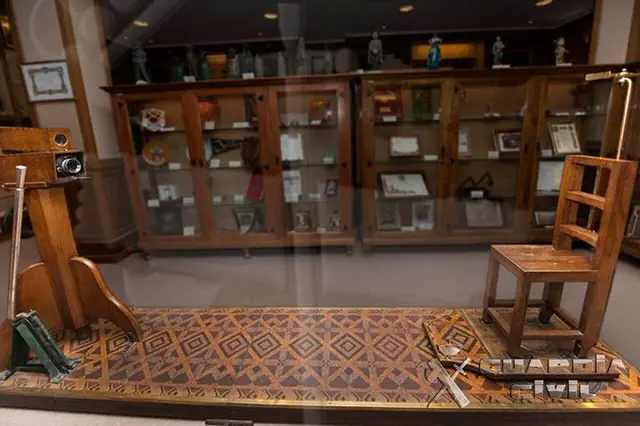
- Instrumentos mineros y maquetas – Mining lamps, measuring and surveying instruments and historic models.
- Operated by
- Universidad Politécnica de Madrid (ETSI de Minas y Energía)
Admission & discounts
| Groups (10+ people) | €5 per personPer person, 2025–2026 academic year: museum with workshop or museum with cloister, historic library and assembly hall. Card payment only. |
|---|---|
| Group visit with workshop or with cloister, historic library and assembly hall | €5Per person; groups of 10 to 25 people. A booking deposit of €30 is charged and deducted from the total. |
Free admission: First Sunday of each month, except August: free access to the market and free visit to the museum.
According to esMadrid, the weekday visit costs €3. The activities on the first Sundays (workshops and visits by age group) cost €5 per person, and tickets are bought from 10:00 to 13:30 in building M-2.
Accessibility
The museum hasn’t published any information on this.
Kids & families
Great for kids & families
- Family tours & workshops
On the first Sundays of the month, workshops and visits are organised for three age groups: 2 to 7 years, 8 to 12 years and the general public.
Getting there & parking
By public transit
Metro Ríos Rosas (línea 1)
Metro: Ríos Rosas (line 1). Bus: lines 3, 5, 12, 37, 45, 149 and N23. Cercanías commuter rail: Nuevos Ministerios.
The museum is on the first floor of the historic building M-1. There are BiciMAD stations at Calle de Santa Engracia, 129, and at Plaza de San Juan de la Cruz, 10.
Get directionsAmenities & dining
The museum hasn’t published any information on this.
Events & venue rental
The museum hasn’t published any information on this.
Plan your visit
| Guided tours | yes |
|---|---|
| Good to know | Group visits (of 10 to 25 people, with a maximum of two groups per session) are booked by email. The Marcelo Jorissen mine-museum remains temporarily closed to the public for safety reasons. |