Museu d'Història de Catalunya
Museum in the Palau de Mar in La Barceloneta, with an interactive permanent exhibition tracing the history of Catalonia from its origins to the present.
Have only individual sections read aloud
About the museum
The Museu d'Història de Catalunya opened in February 1996 with the aim of becoming a reference point for the dissemination of the history and collective heritage of the country. It depends on the Department of Culture of the Generalitat and is run by the Agència Catalana del Patrimoni Cultural.
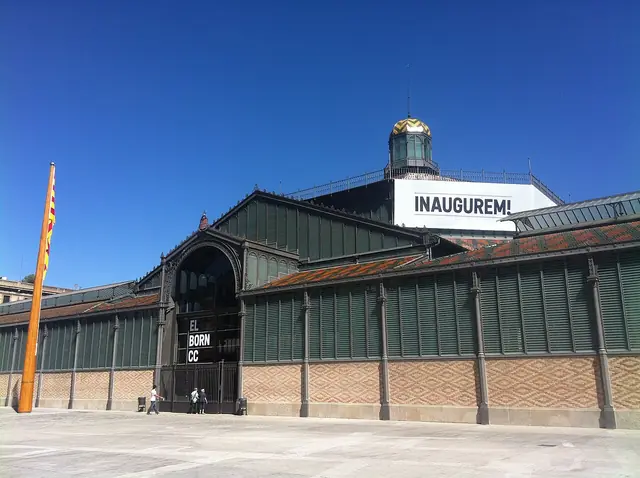
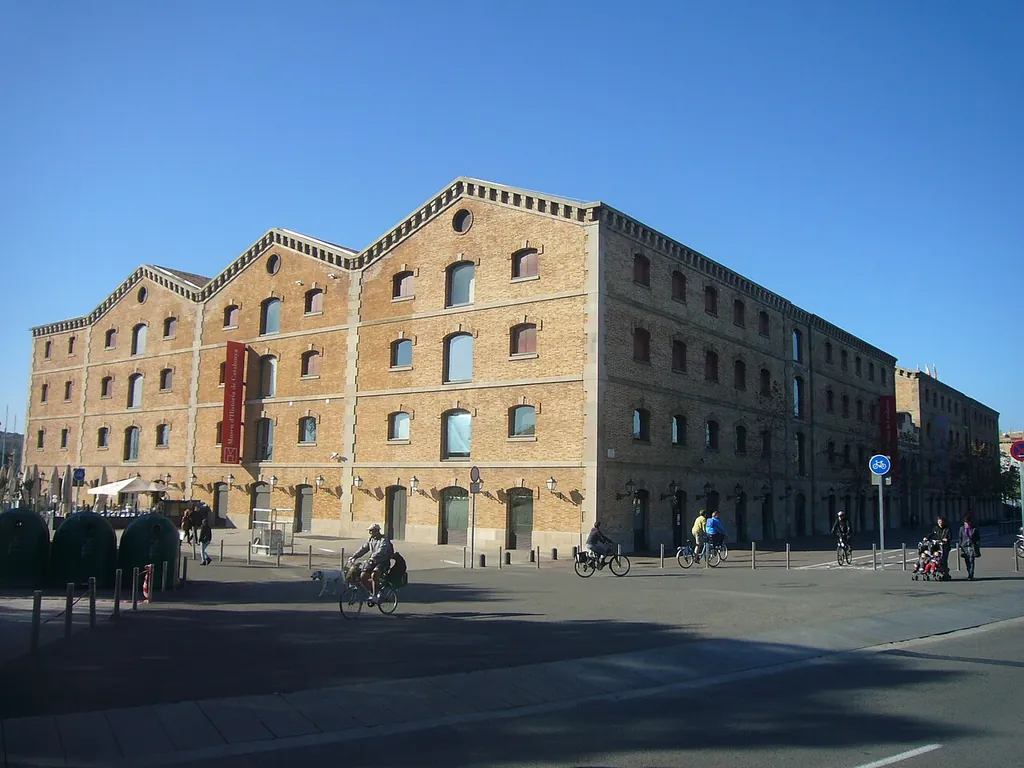
Its home is the Palau de Mar, the only surviving building of Barcelona's old industrial port. The engineer Maurici Garrán designed it in 1881 to house the Magatzems Generals de Comerç, and today it stands in La Barceloneta, facing the port.
The permanent exhibition presents the history of Catalonia from the earliest times to the present day in an interactive and accessible format, with objects that can be handled, some reconstructions (such as a medieval hut or a tram) and devices with voices, music and ambient sounds. The route begins on the second floor, reached by an escalator from the entrance hall.
The museum also organises temporary exhibitions, guided visits, workshops and family activities, such as the programme “Pessics d'Història”, as well as accessible offerings such as the tactile visit “La Història a les teves mans”. The building also houses the Restaurant 1881.
Highlights
- Interactive permanent exhibition on the history of Catalonia
- Palau de Mar, former 1881 port warehouse
- Interactive objects that can be touched
- Tactile visits and family activities
- Restaurant 1881 in the building itself
Permanent exhibition
- Catalunya, un viatge en el temps – Permanent exhibition tracing the history of Catalonia from the earliest times to the present day, in an interactive and accessible format.
- Founded
- 1996
- Operated by
- Agència Catalana del Patrimoni Cultural (Generalitat de Catalunya)
- Visitors per year
- approx. 191,978
Admission & discounts
| Adults | €6 |
|---|---|
| Reduced | €4People over 65 and pensioners, holders of the Carnet Jove, people aged 16 to 24, holders of the international student card (ISIC), holders of large-family or single-parent family cards, RCat (Recercat) card holders, members of the Associació Catalana d'Educació Patrimonial, and non-tourist groups of 10 or more people with a booking |
| Children & teens | freefree up to age 15 · Free admission for children under 16. |
| Seniors | €4Reduced admission for people over 65 and pensioners. |
| Visitors with disabilities | freecompanion free · Free admission with a certified disability; the companion also enters free if their card states so. |
| Students & apprentices | –University students enter free. |
| Groups (10+ people) | €4 per personNon-tourist groups of 10 or more people with advance booking; school groups with a teacher and a booking enter free. Bookings on +34 932 254 244. |
| Temporary exhibition | €4Reduced: €3. |
| Combined ticket for the permanent exhibition and one temporary exhibition | €8Reduced: €6. |
| Combined ticket for the permanent exhibition and two temporary exhibitions | €12Reduced: €8. |
Free admission: First Sunday of each month, 10:00–14:30.
Free admission also applies to unemployed people, accredited teachers, accredited tourist guides, members of the Comunitat MHC, accredited foster families, accredited members of ICOM, ICOMOS and AMC, accredited journalists who have notified the museum in writing, members of FATEC and participants in the Mentora programme. 20% discount with a library card, the Bus Turístic, the BCN Card and the BCN Card Express.
Accessibility
- Wheelchair accessible
- Elevator
- Accessible restroom
- Accessible parking: no information
- Service dogs welcome
- Tactile models & exhibits
- Sign language tours
- Easy-to-read materials
- Audio description: no information
Most of the spaces are accessible, and wheelchairs are lent at the information desk in the entrance hall. Some areas have obstacles, such as a step at the medieval writing desk and in the 19th-century square, stairs in the medieval tower and the tram, and uneven flooring in the medieval hut. A ramp and a lift connect the floors (the buttons have Braille but no audible floor announcement). Accessible toilets on floors 0 and 4, and a changing table on floor 0. Induction loops at the counters and on floors 2 and 3. The interactive objects on the route can be touched, and the visit “La Història a les teves mans” is available for people with visual impairments. Visits with a sign-language interpreter are held periodically; there are sign-language guides (LSC and LSE) for mobile phones and easy-read texts in part of the exhibition. Guide dogs and assistance dogs are welcome. The lighting is dim to protect the pieces, and mornings are busier than afternoons.
Kids & families
Great for kids & families
| Kids’ admission | free up to age 15 |
|---|
- Family tours & workshops
- Hands-on stations
- Baby changing facilities
Children's and family activities such as “Pessics d'Història” (some with a sign-language interpreter) and interactive objects that can be touched. Children under 16 enter free.
Getting there & parking
By public transit
Barceloneta (L4)
Metro line L4, Barceloneta station; buses V17, H14, D20, V15, V13, 39, 45, 51, 59 and 120; Barcelona Bus Turístic (red route) and Barcelona City Tour (east route), stop “Museu d'Història de Catalunya”; França railway station; Bicing bike stations at Plaça de Pau Vila.
By car
Paid parking
Three paid car parks nearby: paseo de Joan de Borbó, Moll d'Espanya and Moll de la Fusta. There are coach parking spaces for groups near the building.
Amenities & dining
- Restaurant
Restaurant 1881, serving traditional Mediterranean cuisine. Museum merchandise (“Marxandatge MHC”).
Events & venue rental
- Spaces for rent
The museum rents out its spaces (information on the website).
Plan your visit
| Guided tours | yes |
|---|---|
| School programs | yes |
| Good to know | Guided visits, workshops and activities for different audiences, arranged through the visit booking service. A museum map is available, and there is a mobile-phone visit with guides in several languages. |