Muséu del Pueblu d'Asturies
Open-air ethnographic museum in Gijón with manor houses, hórreos (granaries), a cider press and a collection of bagpipes from around the world.
Have only individual sections read aloud
About the museum
The Muséu del Pueblu d'Asturies was created in 1968 on the initiative of Gijón City Council and the Chamber of Commerce, Industry and Navigation, with the aim of preserving, studying and publicising the memory of the Asturian people. It occupies a wooded site of some 35,000 m² in the La Güelga district, with a brackish-water pond that recalls the salt marsh that once dominated the mouth of the Piles river.
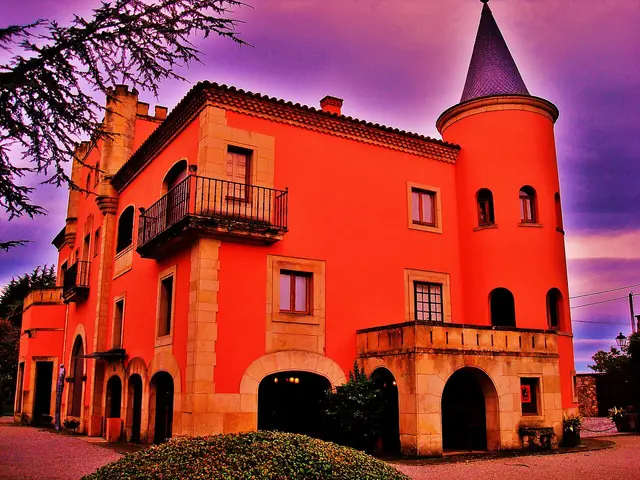
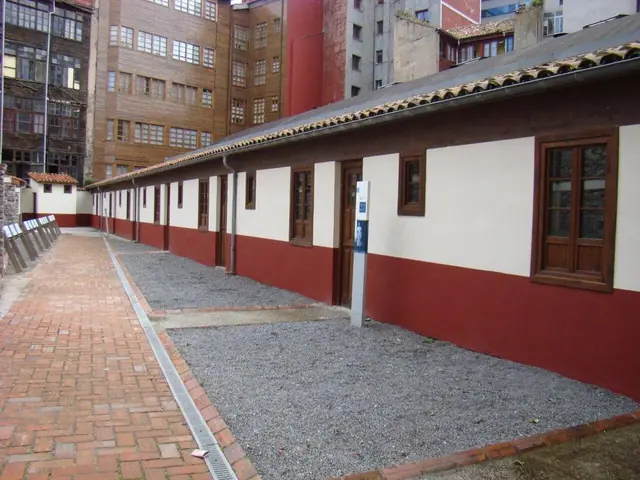
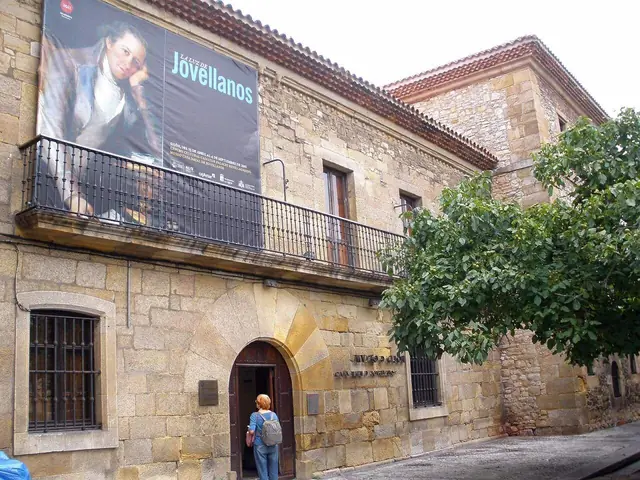
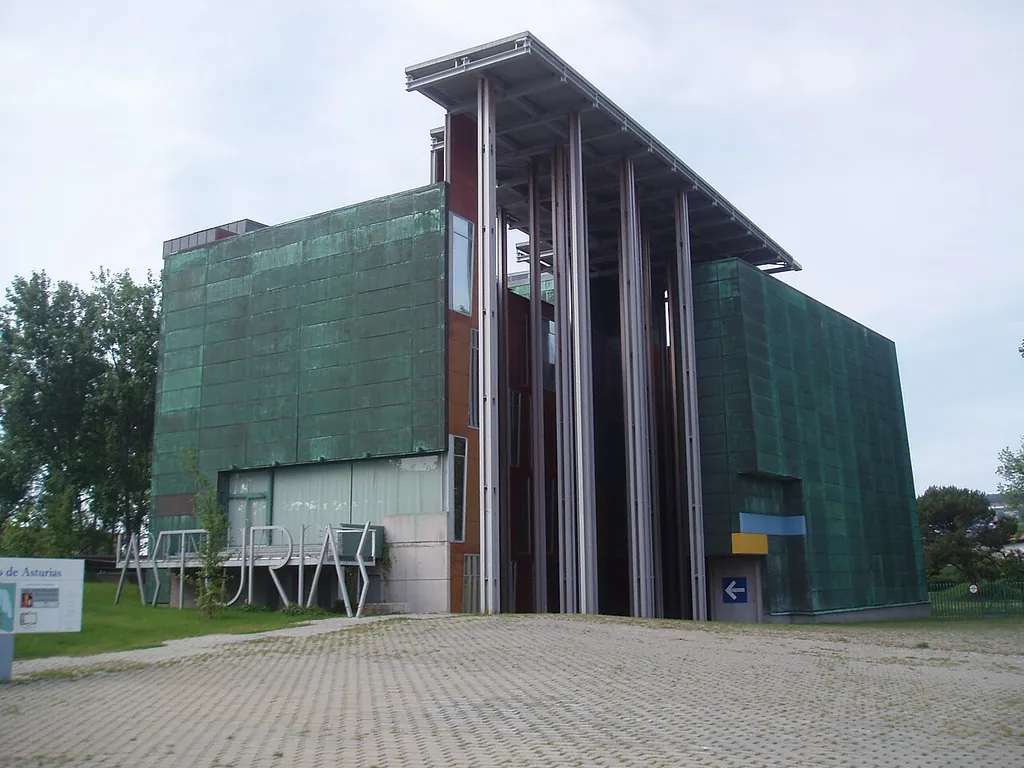
The complex was formed by moving traditional buildings. The Casa de los Valdés, a 17th-century hidalgo house built in Candás, arrived on the site in 1970 and houses the Fototeca. The González de la Vega manor house, built in Serín in 1757 and moved in 1976, is the seat of the Museo de la Gaita. The Asturias pavilion of the Seville Universal Exposition of 1992, moved in 1994, now serves as reception, assembly hall and temporary exhibition room. The route is completed by hórreos, granaries, a cider press, a peasant house, a pisón (fulling mill) and traditional tools and carts.
The collections are organised into five areas: museography (everyday objects of the 19th and 20th centuries), music, photography (with more than a million photographs and postcards), documentation and oral memory. The museum coordinates the Red de Museos Etnográficos de Asturias and is the seat of the Archivo de Historia Oral de Asturias.
Highlights
- Open-air ethnographic site with relocated manor houses, hórreos, granaries and a cider press
- Museo de la Gaita, with bagpipes from around the world, the Asturian gaita and traditional instruments
- Casa de los Valdés, seat of the Fototeca with more than a million images
- Asturias pavilion of the 1992 Seville Expo, moved to the site
- Free admission and a wide programme of workshops and visits
Permanent exhibitions
- Recinto etnográfico – Open-air route through relocated manor houses, hórreos, granaries, a cider press and a peasant house, with furniture and utensils from around 1900.
- Museo de la Gaita – Selection of musical instruments divided into bagpipes from around the world, the Asturian bagpipe, traditional Asturian instruments and sonadores (traditional musicians) of the industrial era.
- Founded
- 1968
- Operated by
- Ayuntamiento de Gijón (Fundación Municipal de Cultura, Educación y Universidad Popular)
Admission & discounts
Admission is free.
Free admission. The Documentation Centre is free of charge with an appointment.
Accessibility
- Partially wheelchair accessible
- Elevator
- Accessible restroom
- Accessible parking: no information
- Service dogs welcome: no information
- Tactile models & exhibits: no information
- Sign language tours: no information
- Easy-to-read materials: no information
- Audio description: no information
According to the accessibility report (PREDIF, 2022), the entrance through the Asturias pavilion has no level changes and the door is at least 78 cm wide. The service counter is at an adapted height; movement inside in a wheelchair is partial. There is a lift and stairs between floors, and an accessible toilet in the common areas. Signage uses high-contrast texts, and the outdoor paths have no obstacles.
Kids & families
Great for kids & families
- Family tours & workshops
The museum runs educational workshops, holiday camps and festive activities for all audiences; the wooded site allows open-air walks.
Getting there & parking
By public transit
El Molinón
EMTUSA urban buses: lines 1, 4 and 10; nearby stops El Molinón, FIDMA and Rastro.
The museum is opposite the El Molinón football stadium and can be reached by urban bus or by car.
Get directionsAmenities & dining
- Restaurant
- Coat check
The website states that the museum has a cloakroom and a restaurant.
Events & venue rental
- Spaces for rent
Up to 500 guests.
The assembly hall and the Tendayu, a covered space for up to 500 people, can be hired on request.
Inquiries & detailsPlan your visit
| Guided tours | yes |
|---|---|
| School programs | yes |
| Good to know | Annual programme of guided visits, courses, educational workshops and holiday camps. According to the museum's 2022 leaflet, guided visits are booked by telephone and cost €1 per person. |