Atelier Hermann Haller
Listed sculptor's studio from 1932 in the Seefeld district, which the City of Zurich opens in the summer months with free admission.
No sound? Check your device’s silent switch.
Have only individual sections read aloud
About the museum
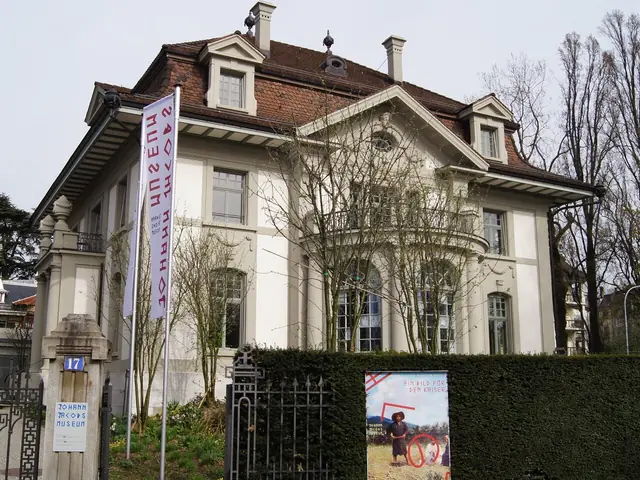
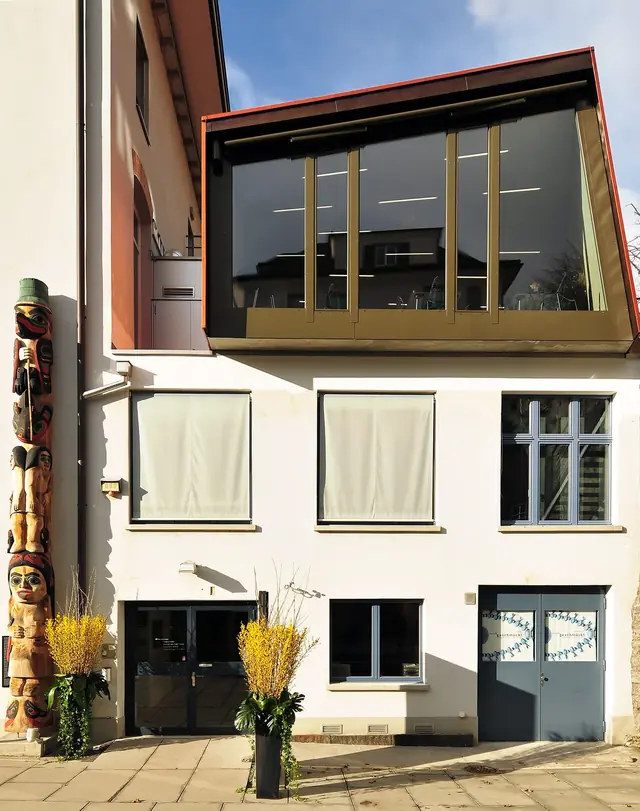
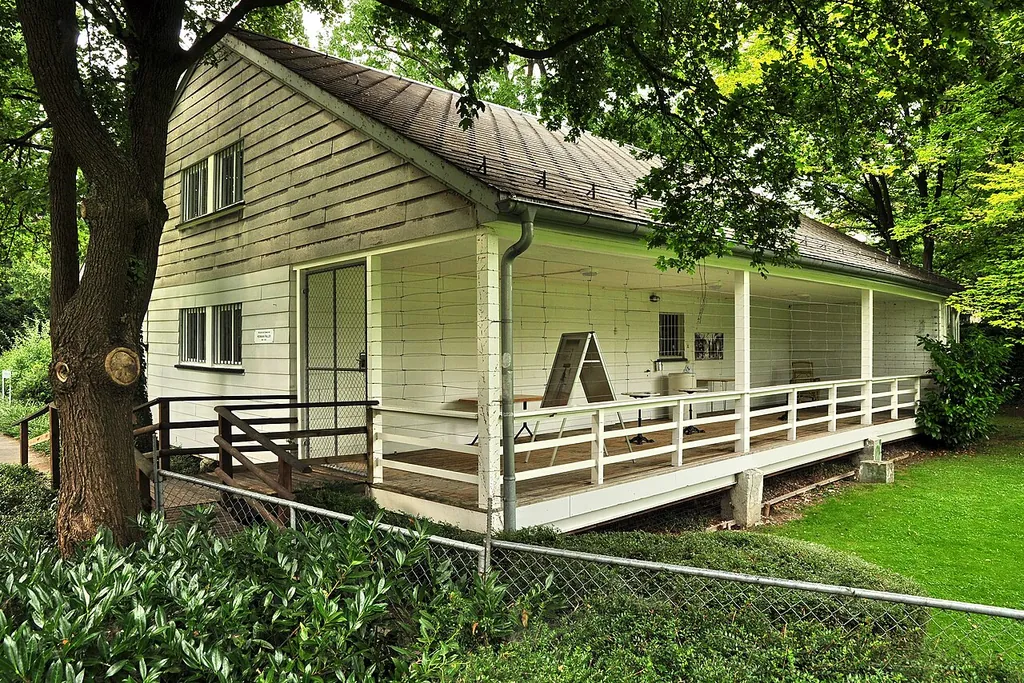
The Zurich sculptor Hermann Haller (1880–1950) had his own studio built in the Seefeld district in 1932, designed by himself with the involvement of the then city architect Hermann Herter. The house, with a porch, large and small studio rooms and a gallery, is listed in the inventory of protected buildings and stands right next to the Pavillon Le Corbusier.
In 1982 the studio and artistic estate passed to the City of Zurich as a gift from the heirs, on condition that the work be made publicly accessible. Since then the city has opened the studio in the summer months. In its authentic setting the work of the once most famous Swiss sculptor was shown, from sketches and studies through small sculptures to the plaster models of the large-format bronze figures.
Between 2024 and 2025 the studio was restored: the foundations were reinforced, and the roof and skylights were replaced true to the original. Since the reopening in June 2026, contemporary works from the city's art collection have initially been on view in the historic workspace. For conservation reasons, Haller's own sculptures are expected to be exhibited again only from summer 2028.
Highlights
- Listed studio house of the sculptor Hermann Haller from 1932
- Historic workspace with skylight in the Seefeld district
- Next to Pavillon Le Corbusier and Zentrum Architektur Zürich
- Free admission
- Operated by
- Stadt Zürich (Stadt Zürich Kultur)
Admission & discounts
Admission is free.
Admission is free.
Accessibility
The museum hasn’t published any information on this.
Kids & families
The museum hasn’t published any information on this.
Getting there & parking
The museum hasn’t published any information on this.
Amenities & dining
The museum hasn’t published any information on this.
Events & venue rental
The museum hasn’t published any information on this.