Alexander Fleming Laboratory Museum
The restored 1928 laboratory in St Mary's Hospital where Alexander Fleming discovered penicillin, with displays and video on the story.
Have only individual sections read aloud
About the museum
The museum is housed in the part of St Mary's Hospital in Paddington where the Scottish bacteriologist Alexander Fleming worked. In 1928 he noticed in this laboratory that a mould had stopped bacteria growing on one of his culture plates. This led to the discovery of penicillin, the first widely used antibiotic, which changed medicine and earned Fleming a Nobel Prize.
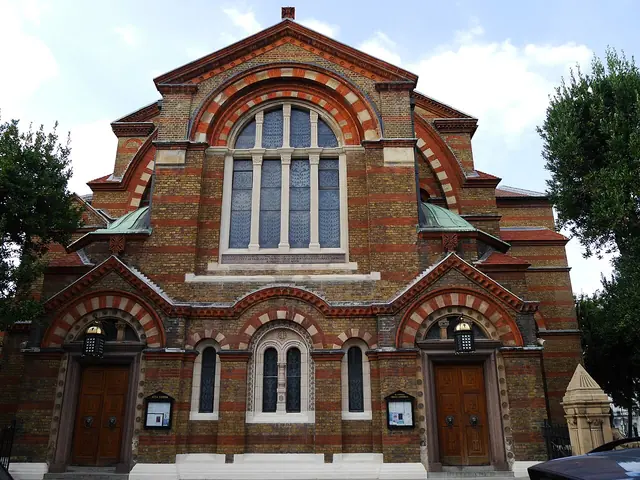
The laboratory has been restored to the way it looked in 1928 and is shown inside a grade II listed hospital building. It is reached by stairs and is run by Imperial College Healthcare NHS Trust, whose archivist also acts as curator.
Displays and video explain Fleming's work and the later development of penicillin into a medicine. The museum has received several honours, including recognition as an International Historic Chemical Landmark in 1999 and designation as a World Origin Site in 2023. It is a member of the London Museums of Health and Medicine.
Highlights
- Fleming's laboratory restored to its 1928 appearance
- Displays and video on the discovery of penicillin
- Setting inside the historic St Mary's Hospital building
- Presentations for school and university groups
- 360-degree virtual tour for those who cannot visit in person
Permanent exhibitions
- Alexander Fleming's laboratory – Fleming's laboratory restored to its 1928 condition, where he discovered penicillin.
- The story of penicillin – Displays and video about Fleming's life and the discovery and development of penicillin.
- Founded
- 1993
- Operated by
- Imperial College Healthcare NHS Trust
Admission & discounts
Admission is free.
Admission is free.
Accessibility
- Wheelchair accessible: not available
- Elevator: not available
- Accessible restroom: no information
- Accessible parking: no information
- Service dogs welcome: no information
- Tactile models & exhibits: no information
- Sign language tours: no information
- Easy-to-read materials: no information
- Audio description: no information
No wheelchair access: the museum is in its original location, reached by stairs, in a grade II listed building that is difficult to adapt. A 360-degree virtual tour is offered for people who cannot visit in person.
Kids & families
The museum hasn’t published any information on this.
Getting there & parking
The museum is inside St Mary's Hospital on Praed Street, London W2 1NY.
Get directionsAmenities & dining
- Museum shop
The museum has a small shop.
Events & venue rental
The museum hasn’t published any information on this.
Plan your visit
| School programs | yes |
|---|---|
| Good to know | Schools and universities receive presentations on the discovery of penicillin in Fleming's laboratory, tailored to age, attainment and interests, and staff also visit schools. To arrange a group visit, contact the museum curator by phone. A downloadable walking tour of Fleming-related sites in London (the Fleming Trail) is available in English, Italian and Spanish. |