Sedgwick Museum of Earth Sciences
The University of Cambridge's free geology museum, with over two million fossils, rocks and minerals, from the Woodwardian Collection to Darwin and dinosaur displays.
Have only individual sections read aloud
About the museum
The Sedgwick Museum of Earth Sciences is the geology museum of the University of Cambridge, and it grew from the collection of Dr John Woodward (1665 to 1728), a member of the Royal Society. Woodward assembled about 9,400 rocks, minerals, fossils and archaeological objects between about 1690 and 1725 to study the structure of the Earth, and they were donated to the University in 1728. Unlike many cabinets of curiosities of the time, his collection concentrated on ordinary specimens, and many came from fellow Royal Society members such as Isaac Newton and Christopher Wren. It is still kept in its original collector's cabinets and is the founding collection of the museum.
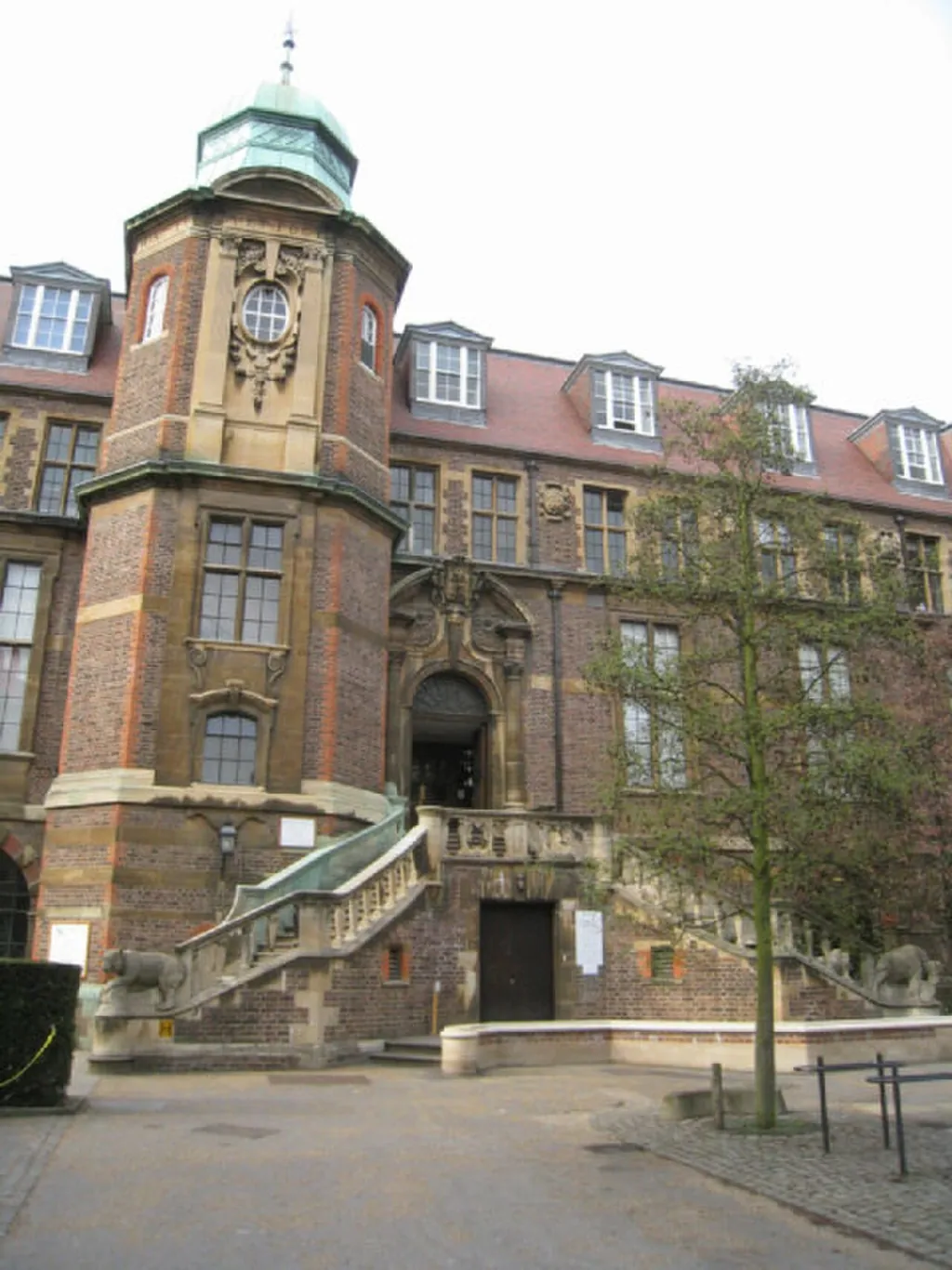
The museum takes its name from Adam Sedgwick and is housed in a historic building dating from 1904 on the university's Downing Site, where the main entrance is at the top of a stone staircase above the Department of Earth Sciences.
Today the collections run to more than two million specimens covering 4.5 billion years of Earth history. They include around a million fossils, over 160,000 igneous and metamorphic rocks, some 55,000 minerals, and building and decorative stones. The public gallery is laid out in chronological order on one floor in an L-shape, with displays on subjects from dinosaurs and a giant deer to Charles Darwin and the HMS Beagle voyage, and the museum runs tours, trails and activities for different audiences. Admission is free, and the collections are also used for teaching and research.
Highlights
- Woodwardian Collection, the founding collection of 9,400 specimens from the 1690s to 1720s
- Gallery laid out in time order across 4.5 billion years
- Charles Darwin display with an HMS Beagle puzzle
- Dinosaur, giant deer and fossil fish displays
- Free lunchtime Staff Favourites tours and trails for children
- Historic 1904 building on the Downing Site
Permanent exhibitions
- Main gallery: the history of the Earth – A chronological L-shaped gallery on one floor, from the early Earth to the age of the dinosaurs and Charles Darwin, including a giant deer, fossil fish teeth and the story of the rocks that built Cambridge.
- Magma to Magnets – A display on rare Earth elements with an interactive wheel that lets visitors feel the difference between an ordinary magnet and one made with these elements.
- Founded
- 1912
- Operated by
- University of Cambridge
Admission & discounts
Admission is free.
| Groups | –Schools and community groups must book in advance whatever the group size, at least two weeks ahead through the online booking system. |
|---|
Admission is free.
Accessibility
- Partially wheelchair accessible
- Elevator
- Accessible restroom
- Accessible parking
- Service dogs welcome
- Tactile models & exhibits: no information
- Sign language tours: no information
- Easy-to-read materials: no information
- Audio description: no information
The museum is on the first floor of a historic building and its main entrance is at the top of a stone staircase. Visitors with restricted mobility can use a lift in the Department of Earth Sciences, and the museum asks to be told in advance so that staff can assist. The lift floor measures 105 cm by 80 cm with a door 69 cm wide, so it is not suitable for large buggies or wheelchairs; a folding wheelchair can be borrowed. Platform lifts connect the split levels of the gallery, although only one was available in October 2026 and step-free access then reached only the first wing. There is one visitor toilet, and an accessible toilet in the Department of Earth Sciences that staff can open; the nearest Changing Spaces toilet is in the Lion Yard shopping centre. The Grand Arcade car park opposite has Blue Badge spaces. Service animals wearing a harness or coat are welcome. A visual story is available for visitors with autism or a sensory condition.
Kids & families
Great for kids & families
- Activity booklet, scavenger hunt or kids’ audio guide
- Hands-on stations
- Baby changing facilities
Trails such as the Highlights Trail and Discovering Dinosaurs are suggested for visits with children. There are puzzle stations, colouring stations with dinosaurs, and interactive displays, including a magnet wheel in the Magma to Magnets exhibition. Baby changing facilities are in the museum toilet and in the Department of Earth Sciences accessible toilet. The lift is not suitable for large buggies.
Getting there & parking
By public transit
Cambridge railway station · 20-min walk
Park and Ride buses stop close to the museum. The central bus station is 5 minutes' walk away, as is the U bus stop, and the railway station is a 20-minute walk into the town centre.
By car
No on-site parking at the museum.
There is no parking at the museum itself. The Grand Arcade car park is directly opposite, reached from Corn Exchange Street via Downing Street, and has Blue Badge spaces.
- Accessible parking
The museum is on the Downing Site: go through the archway from Downing Street, turn left and walk to the large flight of stone steps next to the dinosaur sculpture. Cycle racks are outside the museum.
Get directionsAmenities & dining
- Café: not available
- Restaurant: not available
- Lockers: not available
There is no café, and eating and drinking are not allowed in the museum; the Whale Café at the nearby Museum of Zoology is open to the public. Coat hooks are at the entrance, used at the visitor's own risk, but personal items cannot be stored. A free identification service for rocks, fossils and minerals is available at the museum.
Events & venue rental
- Spaces for rent
- Private parties
The museum can host drinks receptions, standing events and smaller gatherings such as family celebrations; enquiries go to the Museum Operations Manager.
Inquiries & detailsPlan your visit
| Guided tours | yes |
|---|---|
| School programs | yes |
| Photography | Photography for personal, non-commercial use is welcome. |
| Good to know | Lunchtime Staff Favourites tours and the LGBTQ+ tour 'Bridging Binaries' each run about once every two weeks and are led by staff. Self-guided trails are available, including a Highlights Trail, a Discovering Dinosaurs trail, an Alphabet Challenge and a drawing trail. Dogs are not allowed unless they are identifiable service animals. |