University of Bristol Theatre Collection
One of the world’s largest archives of British theatre and live art, with free exhibitions in its foyer and reading rooms for research.
Have only individual sections read aloud
About the museum
The University of Bristol Theatre Collection was founded in 1951 to support the creation of drama as an academic subject in the United Kingdom. It has since grown into one of the world’s leading collections on the history of British theatre and live art, with more than 140 named collections and archives. These include the holdings of the collectors and actors Raymond Mander and Joe Mitchenson.
The collections cover both life on stage and behind the scenes. Besides papers and archives they include artworks, audio-visual material, costumes, designs, set models, playbills and programmes, and 11,000 hours of digitally preserved film. They are strongest from the late 18th century onwards, with particular strengths in theatre of the South West, 19th-century theatre, theatre after the Second World War, live and performance art, and scenery and costume design. Much of the material came as donations and bequests from enthusiasts and professionals.
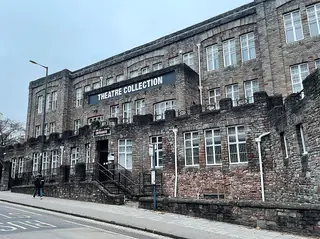
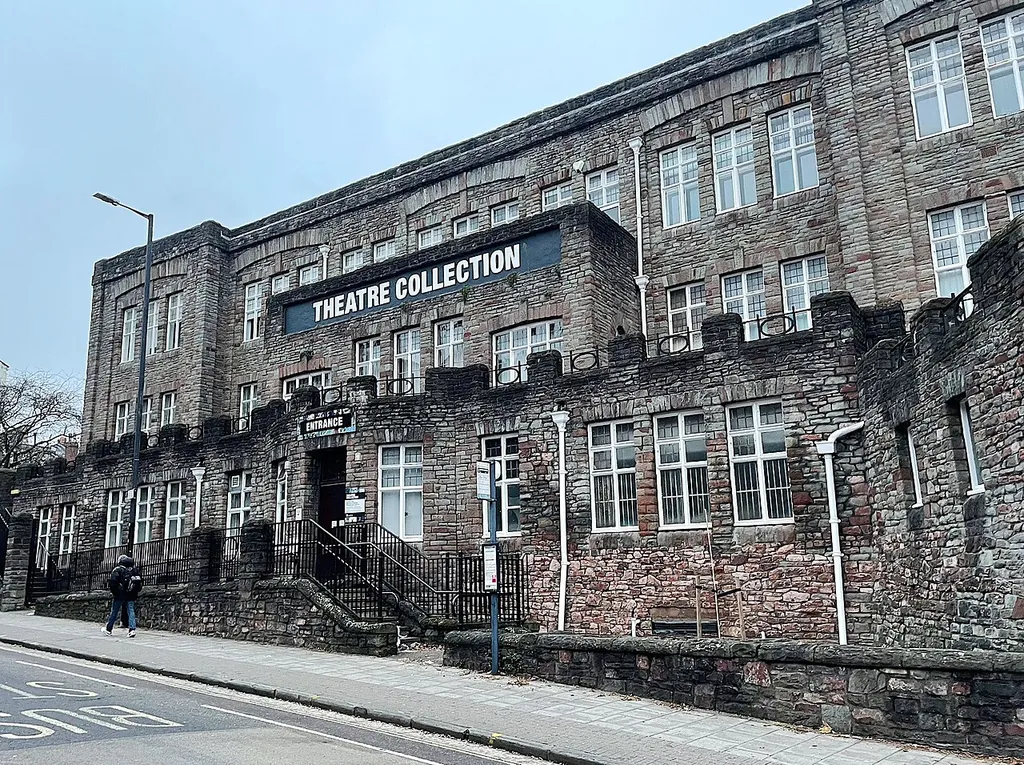
The Theatre Collection holds both Accredited Museum and Accredited Archive Service status, and the Arts Council England has recognised its collections as Designated Outstanding. It is based in the Vandyck Building on Park Row in Bristol, where two exhibition areas in the main foyer are used for three free exhibitions a year that show aspects of the collections. The reading rooms are open to researchers by arrangement.
Highlights
- Archive of British theatre and live art, with over 140 named collections
- Free exhibitions in the foyer, three each year
- Costumes, set models, designs, playbills and artworks
- 11,000 hours of digitally preserved film
- Accredited museum with Designated Outstanding collections
- Founded
- 1951
- Operated by
- University of Bristol
Admission & discounts
Admission is free.
Entry to the Theatre Collection and its exhibitions is free. Research services such as scanning and searches on behalf of remote users are free for the first 30 minutes and then charged.
Accessibility
- Wheelchair accessible
- Elevator
- Accessible restroom
- Accessible parking: no information
- Service dogs welcome: no information
- Tactile models & exhibits: no information
- Sign language tours: no information
- Easy-to-read materials: no information
- Audio description: no information
The main entrance has ramped access, and public areas of the building are wheelchair accessible. A lift gives step-free access from the entrance lobby to the reading room. There is an accessible toilet with hand-washing facilities on the same floor as the reading rooms. The Park Row entrance has automatic doors and visitors ring a buzzer for entry. Detailed access information is available from AccessAble.
Kids & families
The museum hasn’t published any information on this.
Getting there & parking
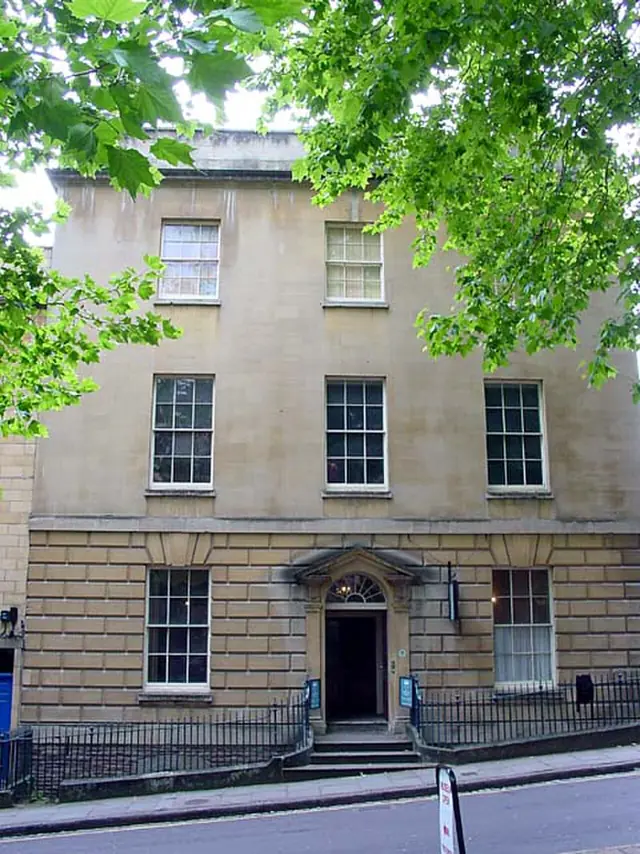
The public entrance is on Park Row (Vandyck Building, number 21), marked by black railings. General travel information is available on the University of Bristol website.
Get directionsAmenities & dining
- Café: not available
- Lockers
- Wi-Fi
Free Wi-Fi is available; visitors ask staff for the log-on details on arrival. Free lockers are provided for coats and bags. There is no café on site, but cafés, sandwich shops and supermarkets are nearby on Park Row, Park Street and Queens Street.
Events & venue rental
The museum hasn’t published any information on this.
Plan your visit
| School programs | yes |
|---|---|
| Photography | Photography without flash is allowed in the reading room for personal research, and visitors sign a copyright declaration form. |
| Good to know | Schools (Key Stages 3 to 5) and colleges are welcome by enquiry, and online teaching resources based on the archive of the designer Oliver Messel are available. A screening room for archive film can be booked as part of a research visit. Visitors should bring paper or a digital device for notes; only pencils may be used in the reading rooms and food and drink are not allowed. |