Bezirksmuseum Döbling
District museum in the Nonnenstöckl and the Villa Wertheimstein: local history of Döbling, a salon from around 1900, poets' rooms and a viticulture museum.
No sound? Check your device’s silent switch.
Have only individual sections read aloud
About the museum
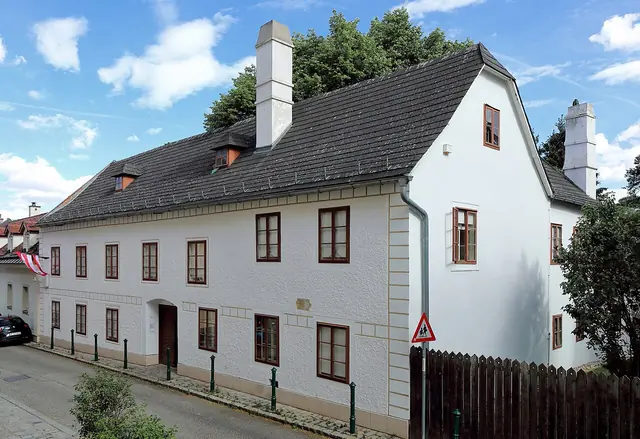
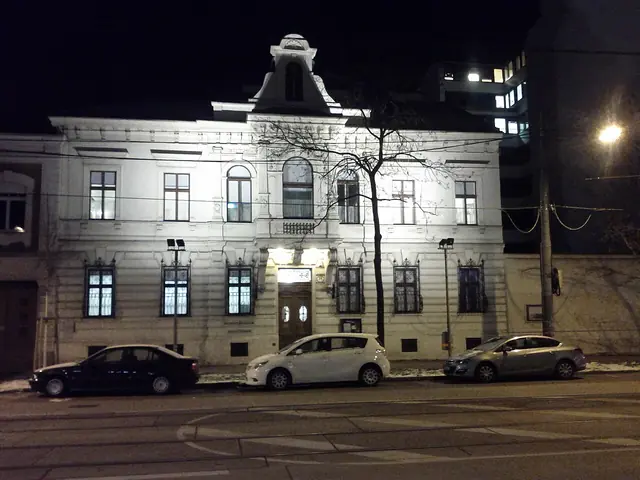
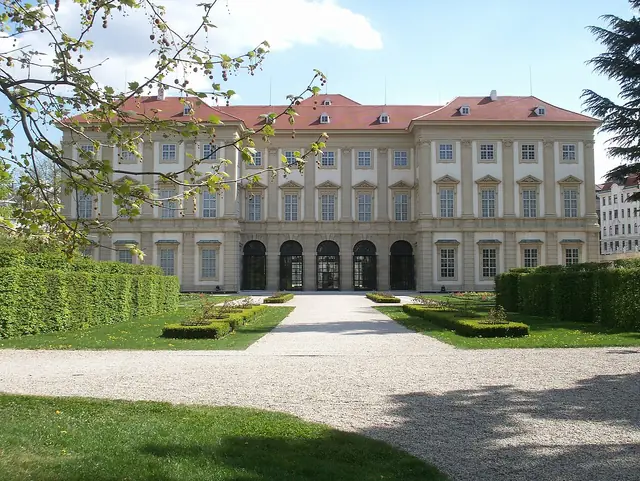
The building complex goes back to a farm estate with a large wine cellar, which the Dominican nuns of Tulln ran in Oberdöbling from 1280. After the dissolution of the convent, the industrialist Rudolf Arthaber acquired the site in 1824, had the farm – today's "Nonnenstöckl" – renovated, built a summer palace next to it and turned the vineyards into a park. In 1870 the banker Leopold von Wertheimstein bought the estate; his daughter Franziska bequeathed the villa and park to the City of Vienna.
From 1912 the family's salon and memorial rooms for the house guests Eduard von Bauernfeld and Ferdinand von Saar were open to the public as a small museum, until it closed in 1947. In the early 1960s the villa and the Nonnenstöckl were rediscovered for a local history museum; on 10 June 1964 the Bezirksmuseum Döbling opened and then grew step by step.
Today it presents the history of the 19th district from prehistory through the former villages and the Turkish sieges to industry and transport, including models of the Kahlenberg rack railway and the Leopoldsberg cable railway. Added to this are the largely original salon of the villa, the staircase painted by Moritz von Schwind, and a viticulture museum in the medieval cellar.
Highlights
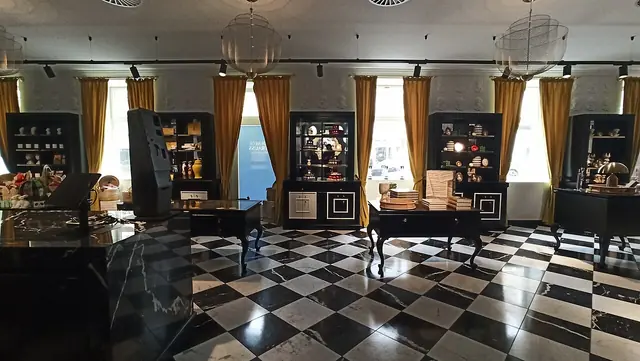
- Salon of the Villa Wertheimstein with furnishings from around 1900
- Memorial rooms for Eduard von Bauernfeld and Ferdinand von Saar with Saar's desk
- Staircase with paintings by Moritz von Schwind
- Models of the Kahlenberg rack railway and the cable railway up the Leopoldsberg
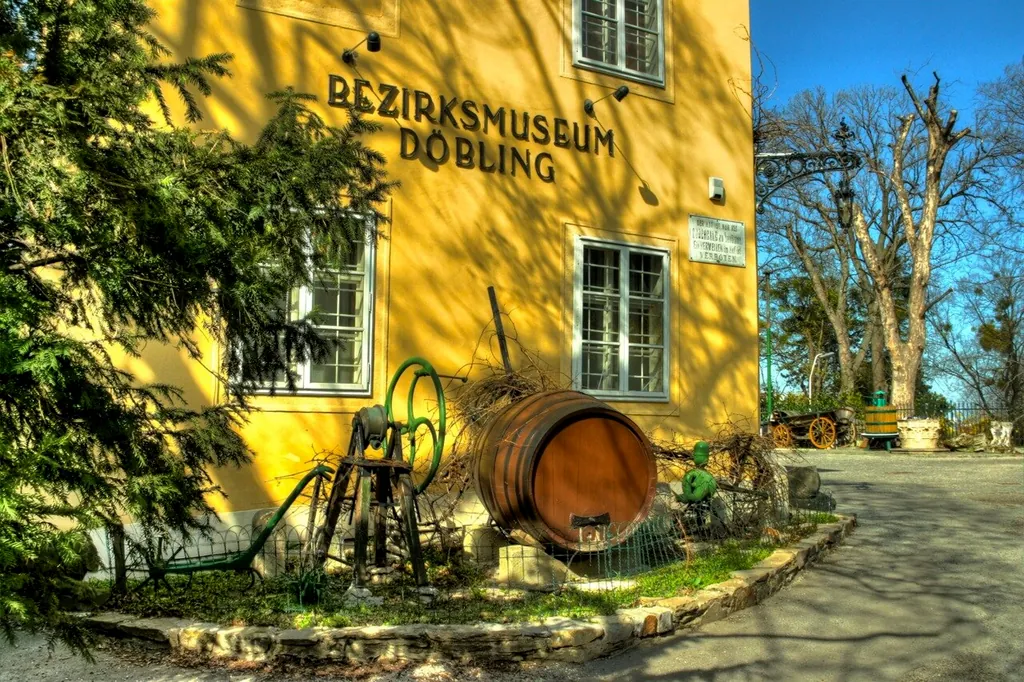
- Viticulture museum in the Gothic cellar with a beam press from 1806
Permanent exhibitions
- Bezirksgeschichte Döbling – Rooms in the Nonnenstöckl on the prehistory, former villages, transport and industry of the 19th district as well as on artists from Döbling.
- Salon und Gedenkräume der Villa Wertheimstein – Original salon of the Wertheimstein family, rooms for Eduard von Bauernfeld and Ferdinand von Saar, and the Schwind staircase.
- Weinbaumuseum – Tools, vessels and a large beam press on Döbling's winegrowing tradition in the historic cellar of the Nonnenstöckl.
- Founded
- 1964
- Director
- Brigitte Kolin
Admission & discounts
Admission is free.
Admission is free at all Viennese district museums.
Accessibility
- Wheelchair accessible: not available
- Elevator: no information
- Accessible restroom: no information
- Accessible parking: no information
- Service dogs welcome: no information
- Tactile models & exhibits: no information
- Sign language tours: no information
- Easy-to-read materials: no information
- Audio description: no information
According to the museum, not accessible for people with disabilities.
Kids & families
- Hands-on stations
The model of the former funicular from Kahlenbergerdorf up to the Leopoldsberg can be set in motion.
Getting there & parking
By public transit
Pokornygasse
U6 to Nußdorfer Straße, then tram 37 towards Hohe Warte to Pokornygasse; alternatively tram D to Rampengasse and about 650 m (roughly 10 minutes) on foot.
By car
No on-site parking at the museum.
No visitor parking at the museum; use public parking in the surrounding area.
By car from the A22 via the Nordbrücke, Gunoldstraße and Barawitzkagasse to Döblinger Hauptstraße.
Get directionsAmenities & dining
The museum hasn’t published any information on this.
Events & venue rental
- Spaces for rent
The museum's rooms can be booked for events; offer on request.
Inquiries & detailsPlan your visit
| Good to know | Office Monday and Wednesday 9–11:30 a.m. (not during holidays, public holidays and school-free days). The museum includes a library. |
|---|