Otto Berger Heimatmuseum
Local history museum in Bernhardsthal, run by volunteers, with finds from about 7,000 years of settlement history, folk culture and historical maps.
No sound? Check your device’s silent switch.
Have only individual sections read aloud
About the museum
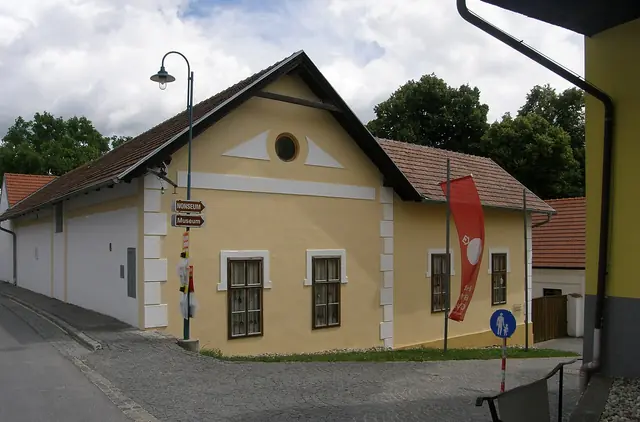
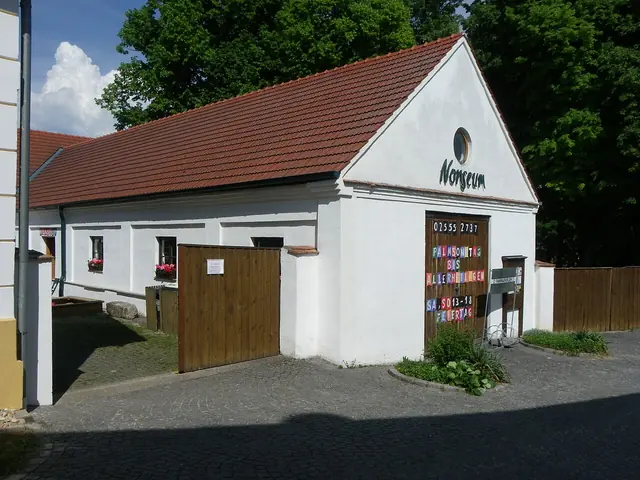
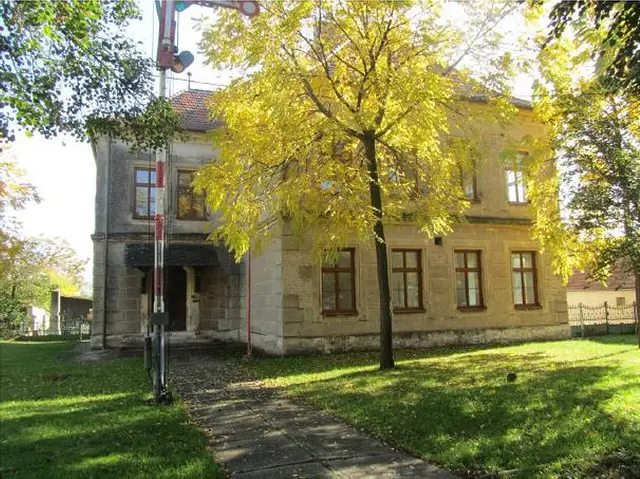
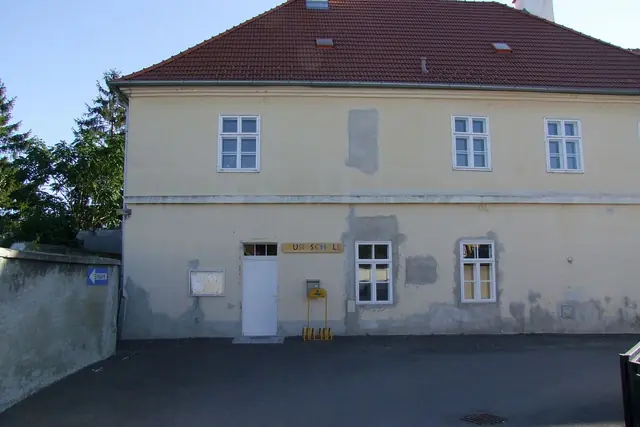
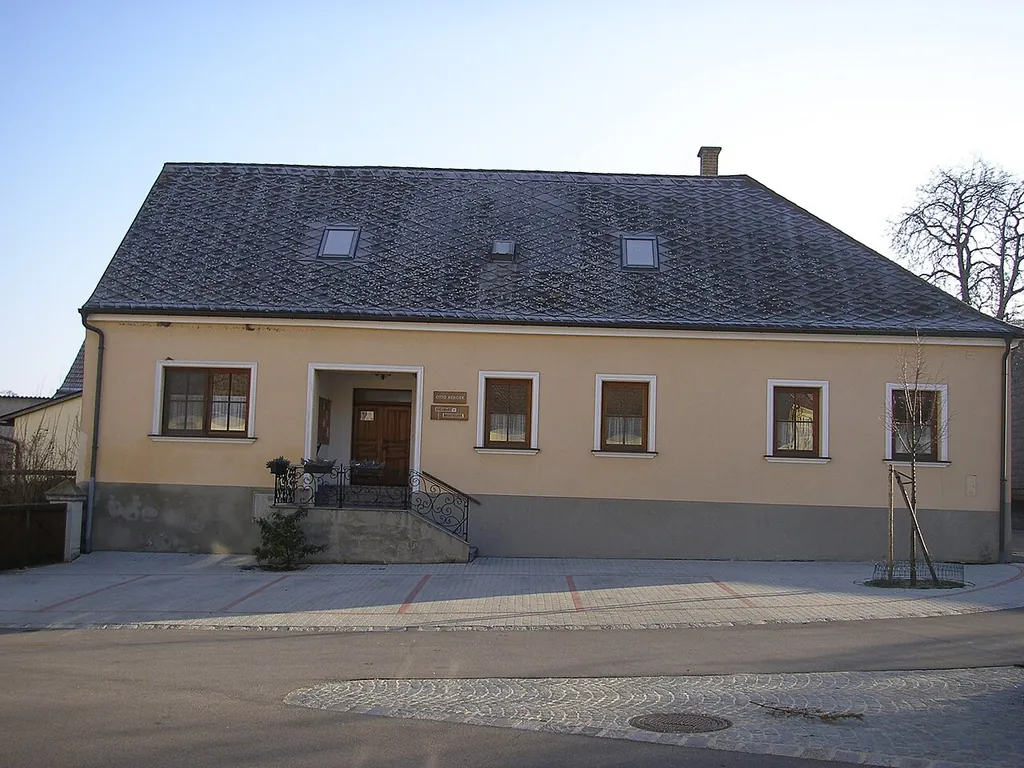
The merchant Otto Berger campaigned for many years for a local history museum in Bernhardsthal. He eventually succeeded in having part of the building at Museumsplatz 62 dedicated to a museum. The building was erected in 1887 on the site of the old village smithy and previously housed teachers' and doctors' apartments, the municipal office, the registry office and the post office. From 1972 the collection had a home there; the house was officially opened on July 1, 1977, during the village's 800th anniversary celebrations. In 1994 it was given its current name in honor of its founder.
At first the museum consisted of one large archaeology room; rooms on folk culture were soon added. In 2000 the archaeological section was extended with a room on the Germanic peoples, a side room for special exhibitions was set up, and the corridors were included in the exhibition area. Façade renovations followed in 2001 and 2014.
The collection documents the history of Bernhardsthal and its surroundings, from the Neolithic through the Bronze Age, the burial mounds of the “3 Berge” (Three Mountains) from the Hallstatt period, Celts, Germanic peoples and the Great Moravian Empire, up to modern times. It is complemented by fossil finds, medieval everyday objects, historical maps and a folk culture section. The museum belongs to the market municipality and is run by the Dorferneuerungsverein Bernhardsthal (village renewal association).
Highlights
- Prehistory and early history, with finds from the Stone Age to the Germanic peoples
- Fossils and medieval everyday objects
- Historical maps and folk culture collection
- Archaeology guide for children in German, Czech and English
- Three Mountains burial mounds and the Tumuli lookout nearby
Permanent exhibitions
- Archäologie und Ortsgeschichte – Finds from the Stone Age through the Bronze, Hallstatt and La Tène periods to the Germanic peoples, plus fossils and medieval everyday objects from Bernhardsthal.
- Volkskunde und historische Landkarten – Folk culture collection and historical maps on life and landscape around Bernhardsthal.
- Founded
- 1977
- Operated by
- Dorferneuerungsverein Bernhardsthal (Eigentümer: Marktgemeinde Bernhardsthal)
Admission & discounts
The museum hasn’t published any information on this.
Accessibility
- Wheelchair accessible: not available
- Elevator: no information
- Accessible restroom: no information
- Accessible parking: no information
- Service dogs welcome: no information
- Tactile models & exhibits: no information
- Sign language tours: no information
- Easy-to-read materials: no information
- Audio description: no information
According to the museum, barrier-free access is not possible for technical and financial reasons; help can be arranged through the contact addresses.
Kids & families
- Activity booklet, scavenger hunt or kids’ audio guide
Archaeology guide for children in German, Czech and English; summer holiday activity date (Ferienspiel).
Getting there & parking
By public transit
Bahnhof Bernhardsthal
Bernhardsthal lies on the Nordbahn railway line; S-Bahn lines run towards Bernhardsthal/Břeclav, e.g. from Vienna Praterstern.
The museum is on Museumsplatz in the middle of the village; the 3-Berg Tumuli lookout near the burial mounds is close by.
Get directionsAmenities & dining
The museum hasn’t published any information on this.
Events & venue rental
The museum hasn’t published any information on this.
Plan your visit
| Guided tours | yes |
|---|---|
| Good to know | Special tours by arrangement (phone +43 650 3303029). On Museums Day, tours of the exhibitions in the March-Thaya room. Museum guides on archaeology and folk culture are available online, along with an archaeology guide for children in German, Czech and English. |