Drongengoedhoeve
Abbey farm from 1746 in the Drongengoed Forest with permanent exhibitions, an inn, a gateway of the Scheldt Delta Geopark and walking and cycling routes.
Have only individual sections read aloud
About the museum
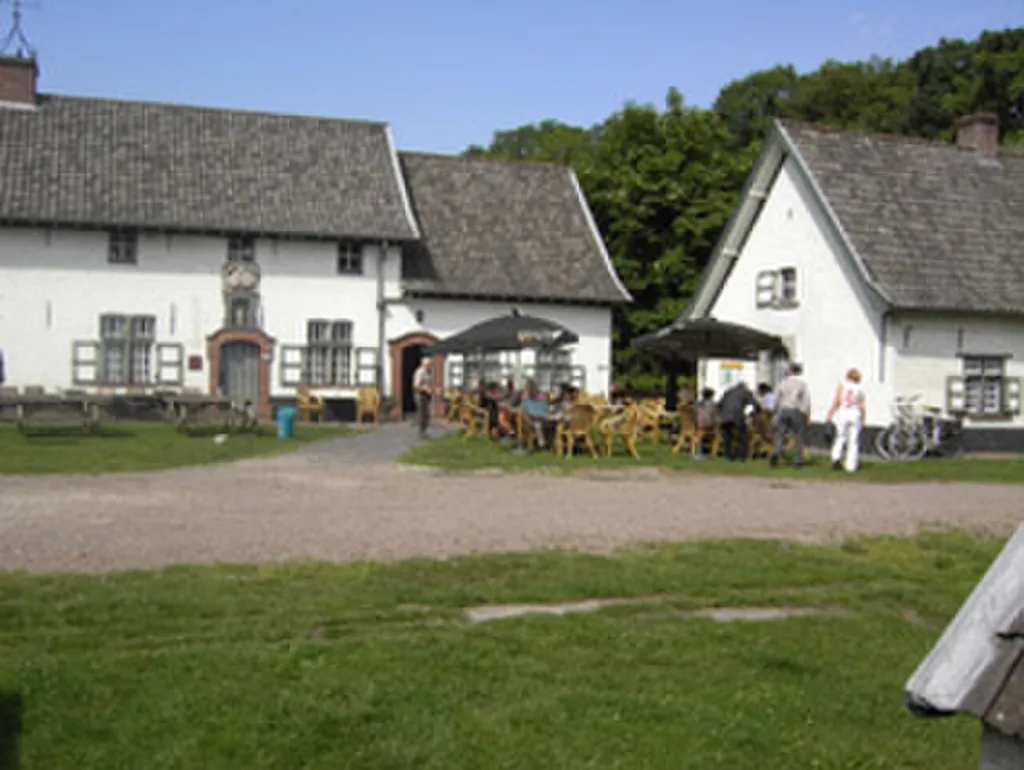
The origins of the Drongengoedhoeve go back to 1242, when Count Thomas of Savoy and Countess Joanna of Constantinople sold waste land in the Maldegem area to three abbeys. The Norbertines of Drongen Abbey received the land on which the farm arose, about 97 hectares. In 1746 Abbot de Stoop had the present farm built, with an emphasis on forestry; the tenant fields were laid out in a chessboard pattern of avenues.
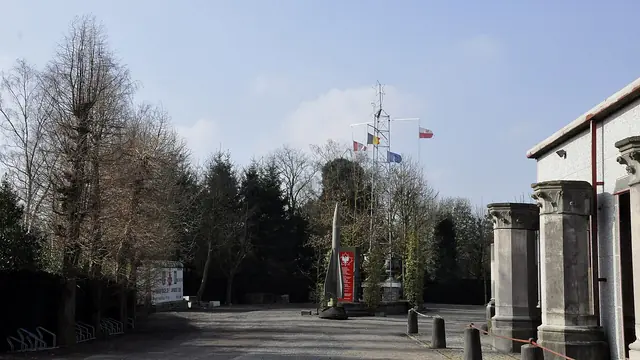
After the French Revolution the abbey was dissolved in 1797, and the farm was sold to private owners in 1798. In 1936 the Van Damme family from Eeklo bought the farm and had the buildings renovated; in 1948 they added a dovecote tower and two crenellated gateways. The surrounding landscape was protected in 1956, and the entire farm with its outbuildings received monument status in 2003.
Today the farm is a much-visited outing in the Meetjesland. It has an inn with a terrace, a tourist information point, a gateway of the Scheldt Delta Geopark in the dovecote tower, a pottery studio and three permanent exhibitions on the landscape, the geology and the history of the abbey farm. All around lies the Drongengoed Forest, where signs explain how the forest came into being.
Highlights
- Permanent exhibition “Het geheim van de Cuesta” on geology, archaeology and nature management
- Abbey farm from 1746 of the Norbertines of Drongen
- Gateway of the Scheldt Delta Geopark in the dovecote tower
- Inn with terrace and herb garden
- Children's trail and play forest in the Drongengoed Forest
Permanent exhibitions
- Het geheim van de Cuesta – The exhibition tells the story of the geology, archaeology and nature management of the Cuesta Zomergem-Oedelem, a ridge in the landscape, and begins some 40 million years ago.
- Merkwaardige dames – About Countess Joanna of Constantinople, who gave common land to three abbeys, and her sister Margaret, who in 1251 permitted a canal between Ghent and the Zwin.
- 900 jaar norbertijnen - Abt de Stoop achterna – The history of the Drongengoed farm and the Norbertine abbey of Drongen, and how the estate under Abbot de Stoop became the largest forestry centre in East Flanders.
Admission & discounts
The museum hasn’t published any information on this.
Accessibility
The museum hasn’t published any information on this.
Kids & families
- Activity booklet, scavenger hunt or kids’ audio guide
- Playground / play area
There is a children's trail, a play forest and an educational play zone.
Getting there & parking
The museum hasn’t published any information on this.
Amenities & dining
- Café
- Restaurant
The inn with terrace serves food and drinks. On the second and fourth Sunday of the month there is a breakfast buffet from 8:30; advance registration is required. Regional products such as honey are on sale.
Events & venue rental
- Spaces for rent
The barn and the bakehouse can be booked for quiet activities; book via the contact address of the vzw Vrienden van het Drongengoed (info.vriendenvanhetdrongengoed@gmail.com).
Plan your visit
| Guided tours | yes |
|---|---|
| Good to know | There are guided tours and activities (free or paid, with the price stated). The inn also organises group visits. |