Etnografski muzej Split
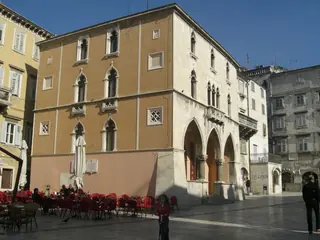
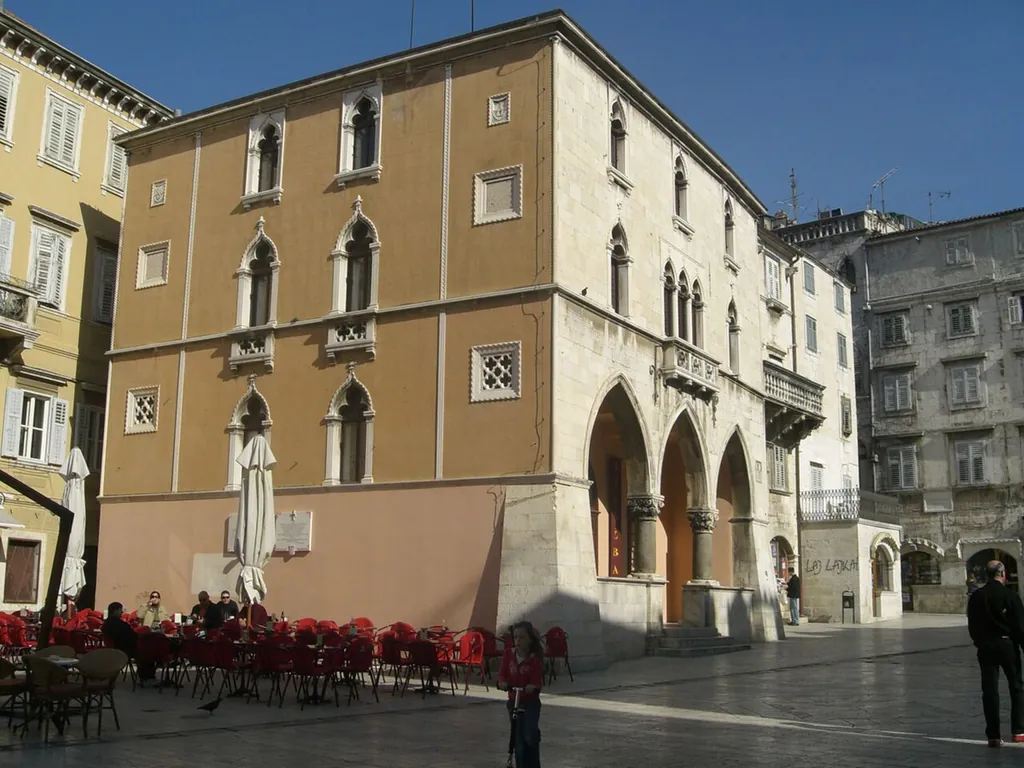
Museum of the traditional culture of Dalmatia, housed in part of Diocletian’s Palace, next to the Roman triclinium, the Vestibul and the small church of St Andrew.
Have only individual sections read aloud
About the museum
Since 1910 the Etnografski muzej Split (Ethnographic Museum Split) has cared for the traditional cultural heritage of Dalmatia. It was founded by Kamilo Tončić pl. Sorinjski, an architectural engineer and director of the Split Craft School, who from 1907 systematically bought and collected ethnographic material as samples for the students’ work. The first collections were displayed as a permanent exhibition in one room of the school building, and the institution was then called the Pokrajinski muzej za narodni obrt i umjetnost (Provincial Museum of Folk Crafts and Art). Tončić was its first director and remained so for many years, until the end of the Second World War.
Today the museum is located in the historic core of the city, in the former residential part of the palace of Emperor Diocletian from the 4th century. The building includes the Roman triclinium, the former dining hall, and the space of the emperor’s chambers, on which a small church of St Andrew de Fenestris has stood since the 7th century. The Roman heritage also includes a reconstructed staircase, reached from the exhibition area through the courtyard of the early medieval house of the noble Božićević Natalis family. The staircase leads to a Renaissance terrace on top of the Vestibul, from which the city panorama and nearby islands can be seen.
The display extends over three levels. On the ground floor temporary exhibitions alternate, and on the two upper floors the permanent display presents the traditional culture and everyday life of the people of Dalmatia from the late 19th to the mid-20th century: costumes of the Dalmatian hinterland, the process of making cloth from wool, jewellery and old weapons, lace-making and fishing, and a reconstruction of a middle-class bedroom from the early 20th century.
Highlights
- Permanent display of the traditional culture of Dalmatia on two floors
- Folk costumes of the Dalmatian hinterland and the islands
- Collection of traditional gold and silver jewellery and old weapons
- Roman triclinium, Vestibul and the small church of St Andrew in Diocletian’s Palace
- Renaissance terrace with a view of the rooftops of Split
Permanent exhibition
- Stalni postav Etnografskog muzeja Split – The two upper floors present the traditional culture of Dalmatia from the late 19th to the mid-20th century: costumes, weaving, jewellery, weapons, lace-making, fishing and a reconstruction of a middle-class bedroom.
- Founded
- 1910
- Operated by
- Etnografski muzej Split (javna ustanova)
Admission & discounts
| Adults | €7 |
|---|---|
| Reduced | €4pupils, students and pensioners |
| Children & teens | €4Pupils. |
| Seniors | €4Pensioners. |
| Students & apprentices | €4 |
| Groups (10+ people) | €4 per personGroups of 10 or more visitors, price per person. |
| Families | €15Family ticket. |
| Vestibul | €2Ticket for visiting the Vestibul and the terrace. |
Holders of the Split Card enter free.
Accessibility
The museum hasn’t published any information on this.
Kids & families
| Family ticket | €15 · Family ticket. |
|---|
- Family tours & workshops
The museum has an educational programme and a family ticket.
Getting there & parking
The museum hasn’t published any information on this.
Amenities & dining
The museum hasn’t published any information on this.
Events & venue rental
- Spaces for rent
- Private parties
- Corporate events
- Weddings / ceremonies
Rental of the Božićević/Natalis courtyard (€300 for up to four hours, €600 for a full day), the attic hall for educational programmes, lectures and meetings, and the small church of St Andrew for weddings. Filming and photography are charged according to the price list.
Inquiries & detailsPlan your visit
| School programs | yes |
|---|
Museums nearby
All 12 museums in Split All museums in Split-Dalmatia County