Nautelankosken museo
Archaeological and cultural-historical museum on the bank of the Aura River in Lieto, presenting the Stone Age, the Aura River and material collected by Lauri Nautela.
Have only individual sections read aloud
About the museum
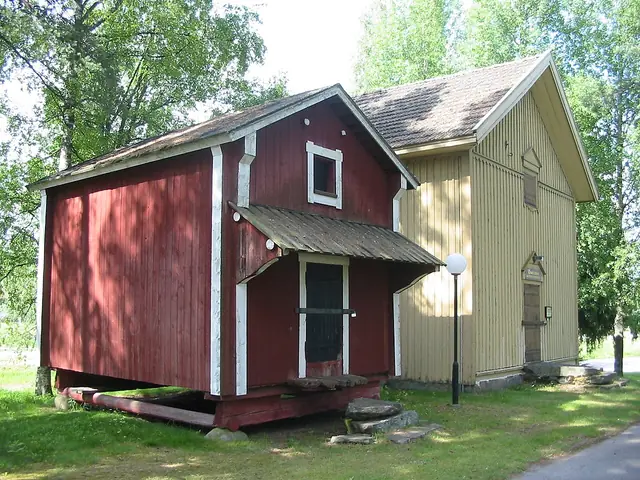
Nautelankosken museo is an archaeological and cultural-historical local museum in the station area of Lieto, along the Aura River. It includes the Lauri Nautelan museo (Lauri Nautela Museum), a miller’s cottage (myllärintupa), a watermill, a sauna and a granary. The museum is maintained by the Nautelankoski Foundation (Nautelankoski-säätiö). The mill is mentioned already in the early 1400s, and the Nautela mill is recorded in 1585. The municipality of Lieto bought the mill in the 1980s.
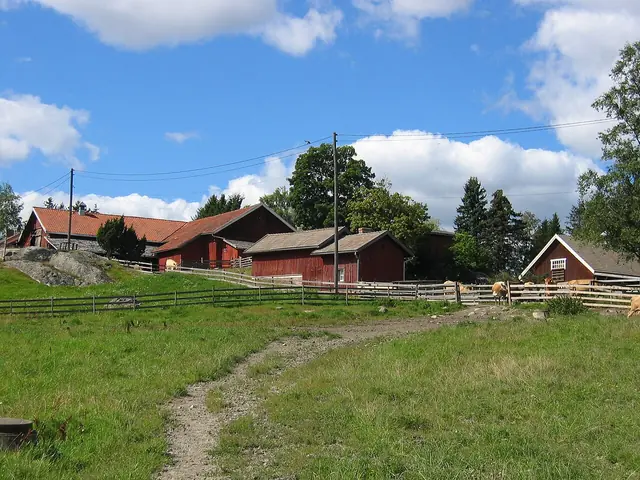
The present stone mill was built in 1806–1807. Milling ended in 1968, and the mill was opened as a museum in 1992; it still produces hydroelectric power. The miller’s cottage is a house from the 1700s–1800s, which was moved from Hakula village in 1992 and furnished in the style of the 1930s. The granary dates from 1802 and was moved to the site in 2002, and the former sauna of the school was moved there in 2009.
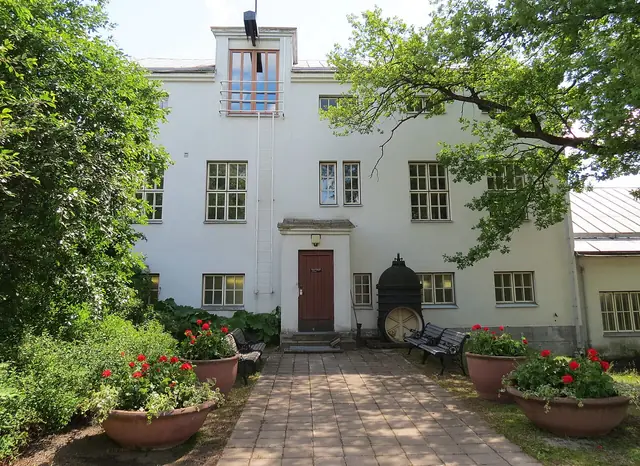
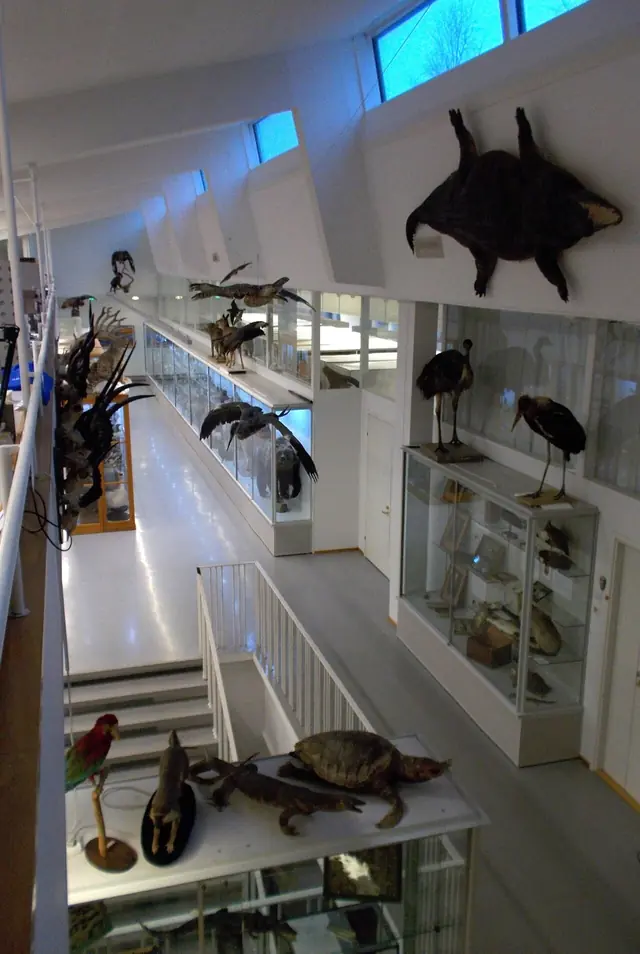
The Lauri Nautelan museo, designed by Schaumann architects, opened in 2000. Its upper floor houses the exhibition spaces, an auditorium, a café and a shop. The area also includes the Stone Age settlement and cemetery of Kukkarkoski, which are described on information boards.
Highlights
- Permanent exhibitions of the Lauri Nautelan museo: On the Trail of the Stone Age Hunter, Living River and the Aura River diorama
- Watermill built in 1806–1807
- Miller’s cottage furnished in the style of the 1930s
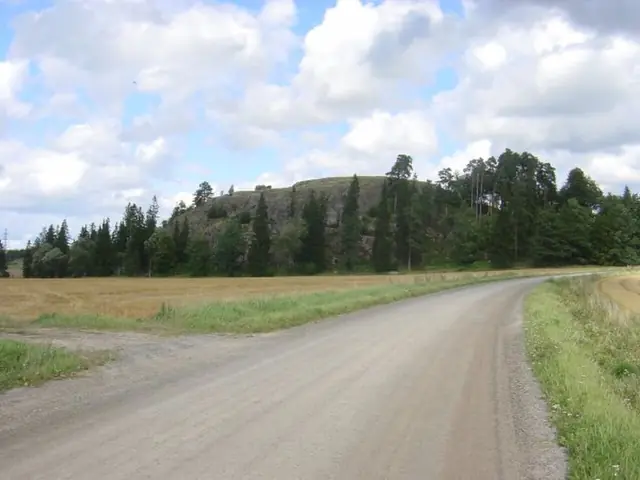
- Stone Age settlement and cemetery of Kukkarkoski
- Café and museum shop
Permanent exhibitions
- Kivikauden pyyntimiehen jäljillä – The exhibition presents Stone Age life along the Aura River and the finds from Kukkarkoski.
- Elävä joki ja Aurajoki-dioraama – The exhibition tells of the river’s nature and of people’s relationship with the Aura River through a diorama.
- Lauri Nautelan muistohuone – A memorial room presents the museum’s namesake, Lauri Nautela, and his books.
- Operated by
- Nautelankoski-säätiö (Liedon museo)
Admission & discounts
Admission is free.
Admission to the museum is free of charge.
Accessibility
- Wheelchair accessible
- Elevator: no information
- Accessible restroom
- Accessible parking: no information
- Service dogs welcome
- Tactile models & exhibits
- Sign language tours: no information
- Easy-to-read materials: no information
- Audio description
The Lauri Nautelan museo building is step-free and the first floor has no steps. The miller’s cottage and the mill have ramps that require an assistant. The yard is step-free, but the nature trail is not passable by wheelchair. A gender-neutral toilet suitable for people with mobility impairments is available; the exhibition spaces have recliners, and parking is in front of the main entrance. The exhibition texts are also in Braille, magnifying glasses can be borrowed, the Kukkarkoski Stone Age exhibition has objects to touch, and audio description is available. A presentation video in sign language is on YouTube.
Kids & families
The museum hasn’t published any information on this.
Getting there & parking
By public transit
From Turku bus 402 and the Lieto local bus lines L3, L4 and L9 run; the stop is on Vanha Tampereentie.
By car
Parking available
Parking is in front of the main entrance.
The museum is on Vanha Tampereentie (road 222), about 16 km from Turku; signs lead to Nautelankoskentie, which takes you about 400 m to the museum area.
Get directionsAmenities & dining
- Café
- Museum shop
- Wi-Fi
The café sells coffee, tea, pastries, ice cream and refreshments; the shop has postcards, books and jewellery. The museum has wireless internet.
Events & venue rental
- Spaces for rent
The auditorium can be booked for meetings; food or coffee can be ordered in advance for groups.
Inquiries & detailsPlan your visit
| Guided tours | yes |
|---|---|
| School programs | yes |
| Good to know | Group guided tours are arranged in advance with the museum staff. Schools use the activity courtyard for ancient-technology workshops. |